
America’s Bird in AMerica’s City
Bald Eagle
Haliaeetus leucocephalus
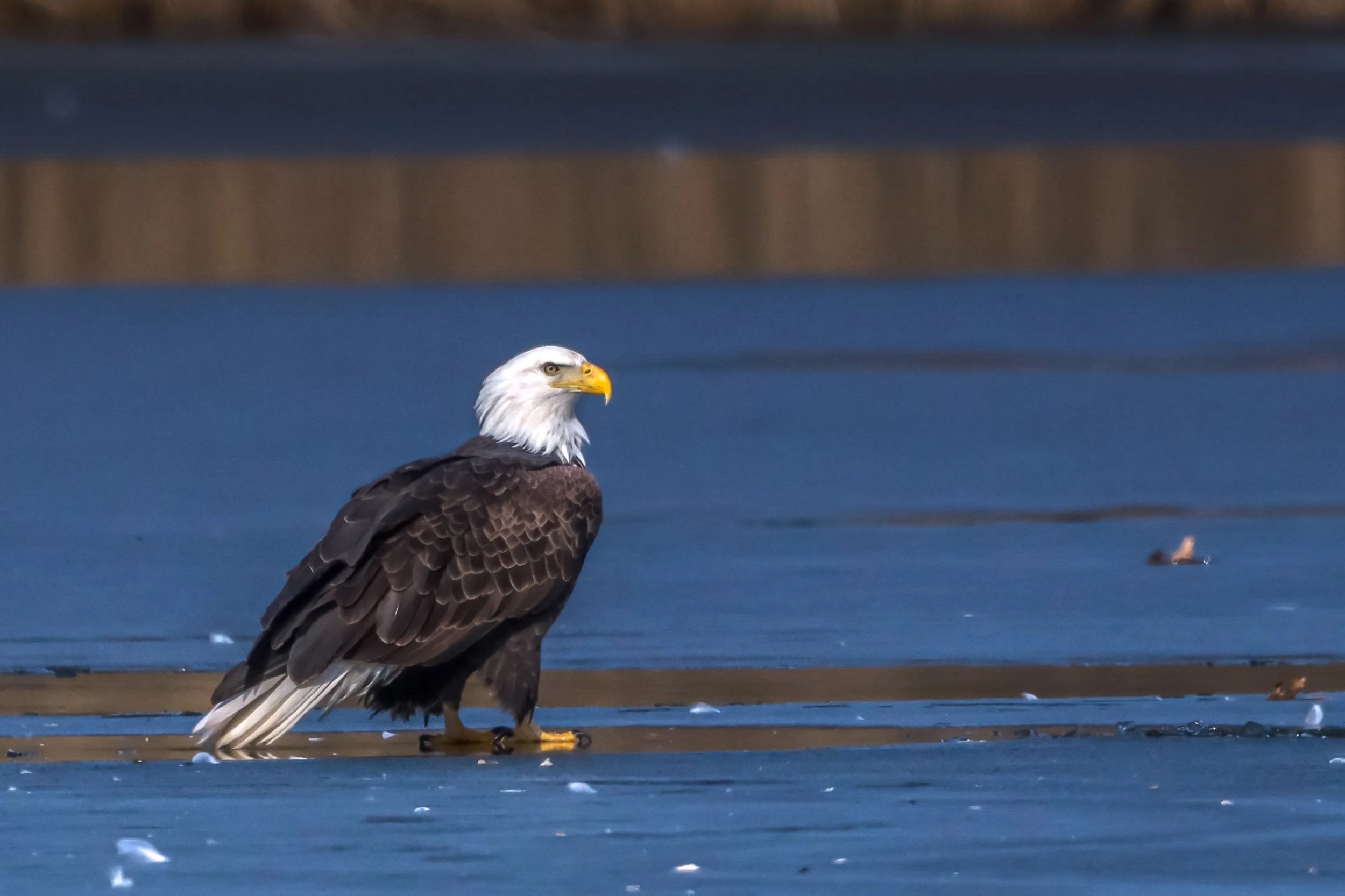
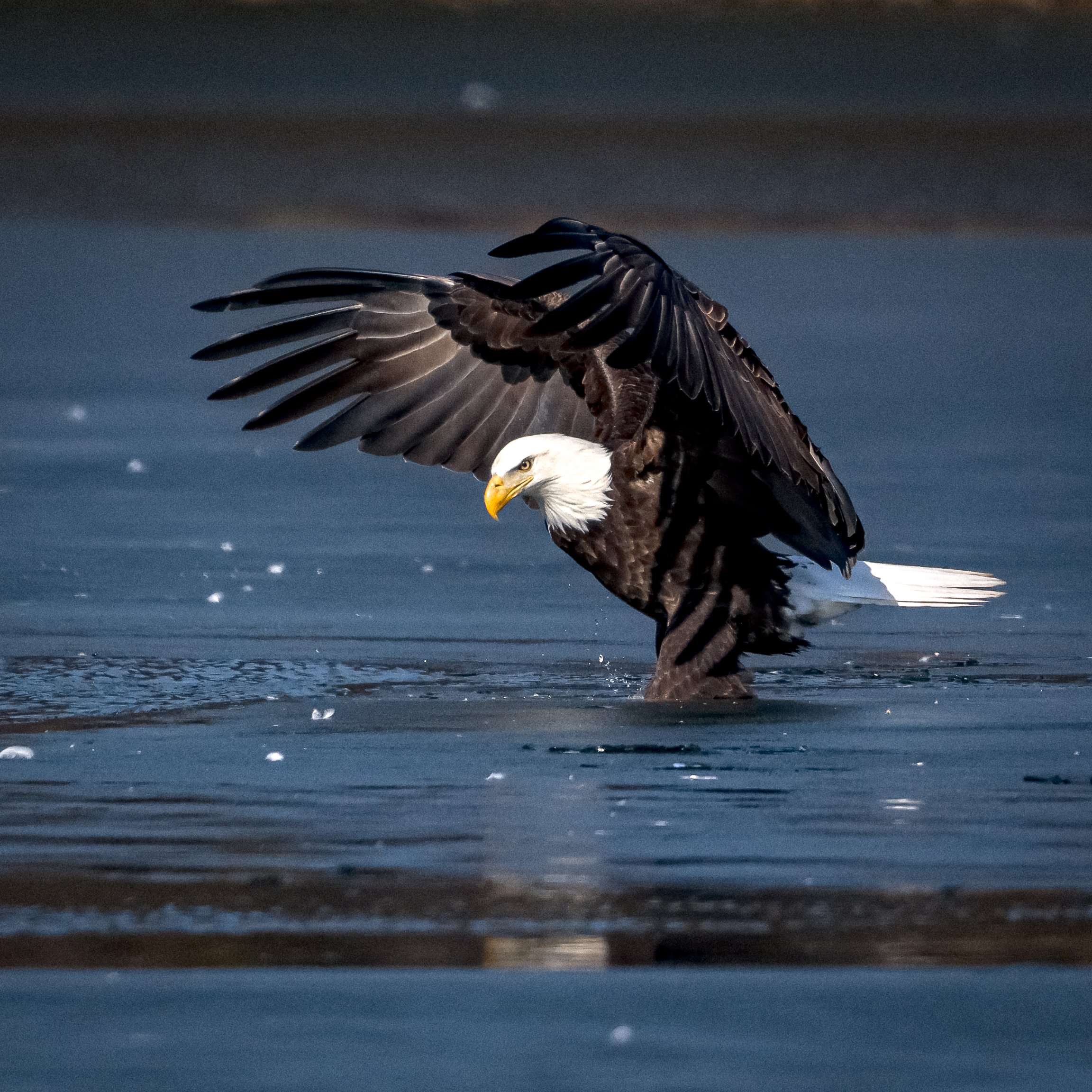
The symbol of the United States, Bald Eagles adorn our buildings, currency, and official seals. Unique to North America, these powerful predators can be found from northern Mexico all the way to the shores of Alaska— but that wasn’t always the case. In the early 1960s, less than 500 pairs of breeding Bald Eagles could be found in the lower 48. DDT, a new pesticide, filtered its way through the food web, poisoning more than just mosquitos. Few birds were hit as hard as Baldies, who’s thinning egg shells couldn’t hold up to the bulk of their brooding bodies. After more than 180 years as our stalwart symbols, Baldies were on the brink.
But they’re still here. The Endangered Species Act of 1972 gave the Environmental Protection Agency the teeth it needed to enforce pesticide bans and institute other protections after Bald Eagles were officially listed in in 43 of the lower 48 (and threatened in the 5 others). Recover was slow and deliberate, but in 2007 with nearly 10,000 nesting pairs present in the contiguous U.S., the Bald Eagle join the Peregrine Falcon on the list of successfully de-listed species.
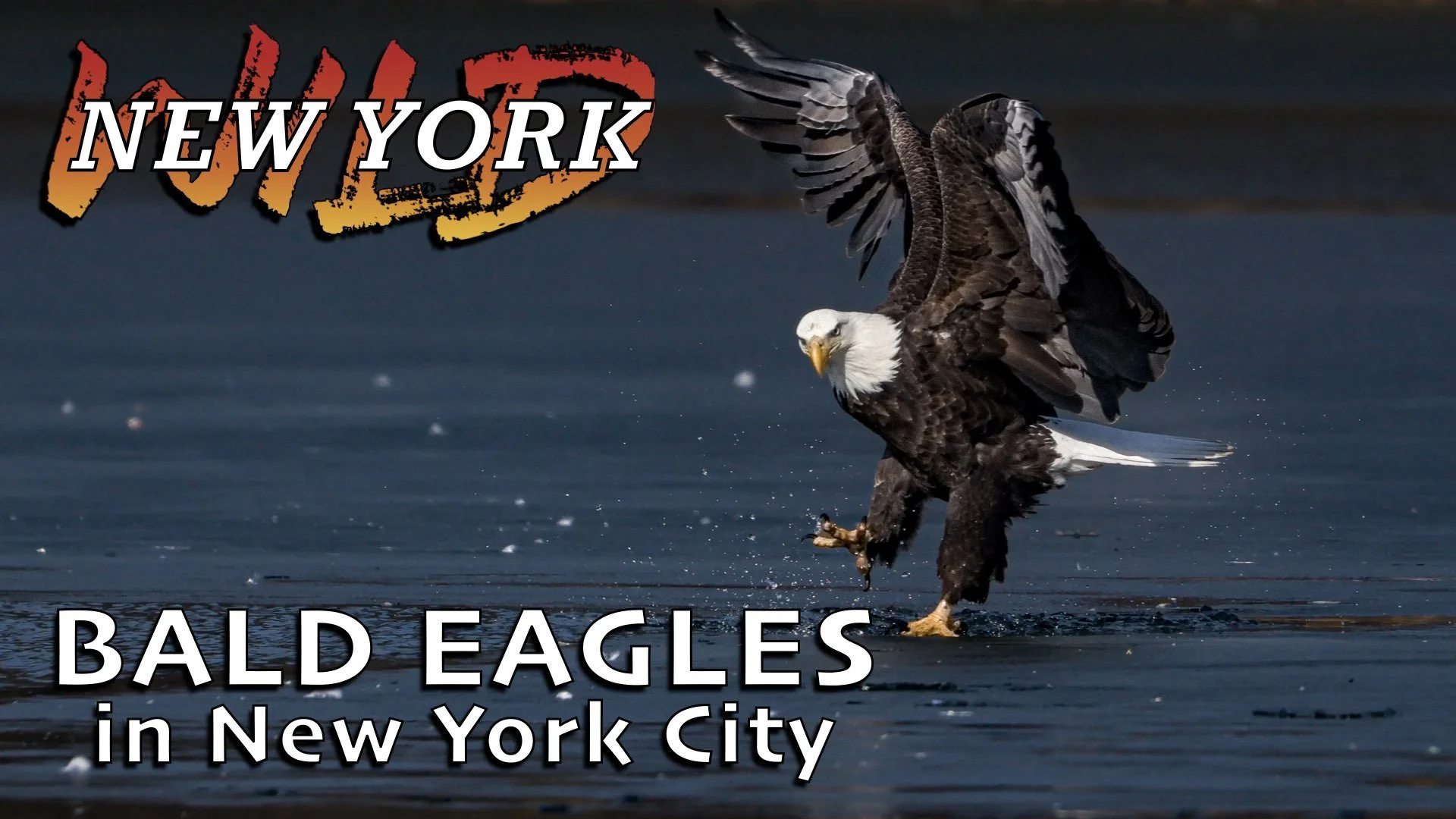
New York’s position between the Hudson River Valley and the Atlantic Ocean makes it the ideal habitat for these fish-loving raptors, and thanks to their recovery, you can spot Baldies here year-round. It’s easier to find them in the winter, when the frozen rivers upstate drive them south to find open water, but Staten Island currently hosts breeding pair, and another pair was seen building a nest out in the Jamaica Bay Wildlife Refuge. It won’t be long before the biggest birds in the Big Apple are New York born and bred!
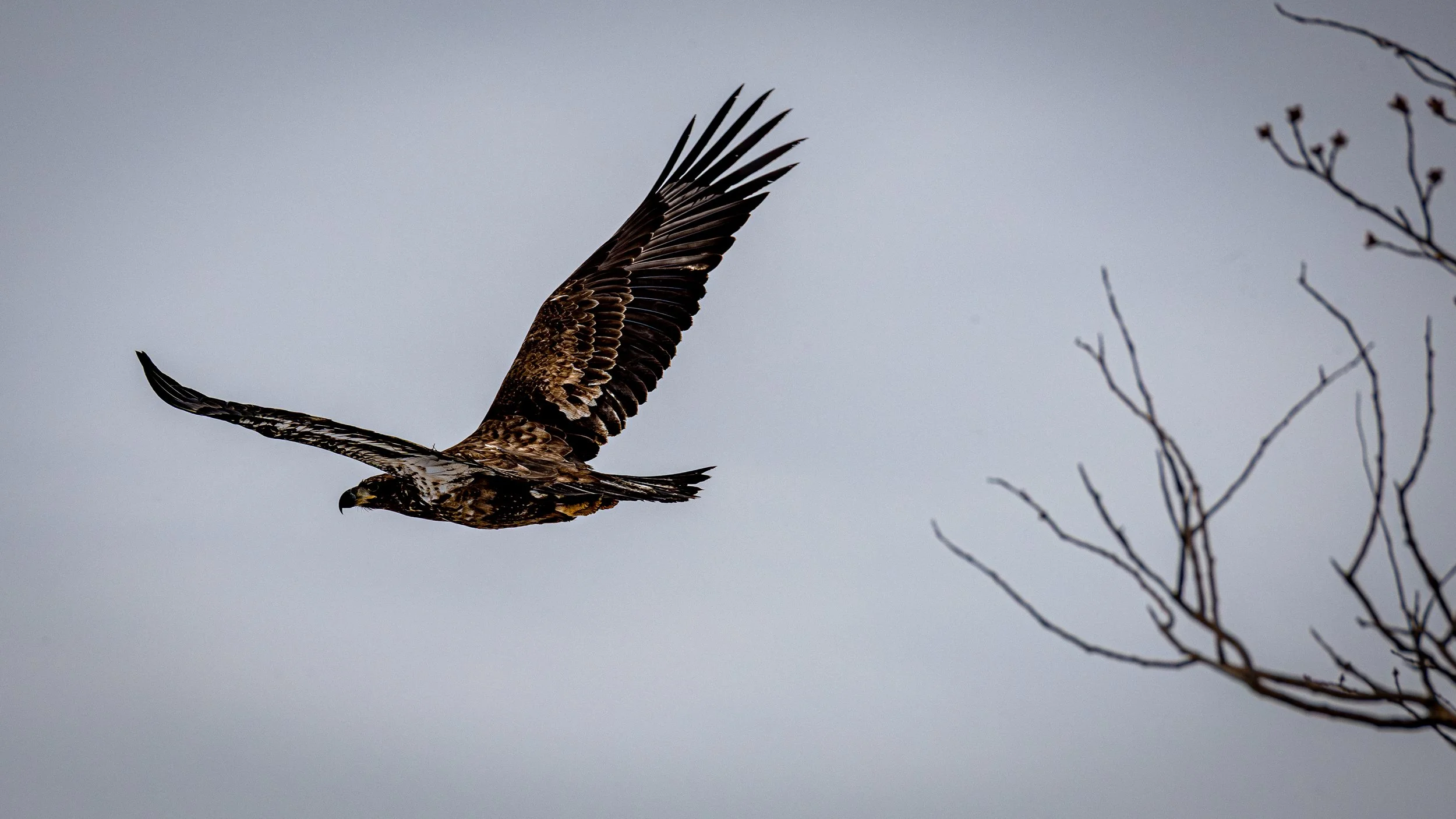
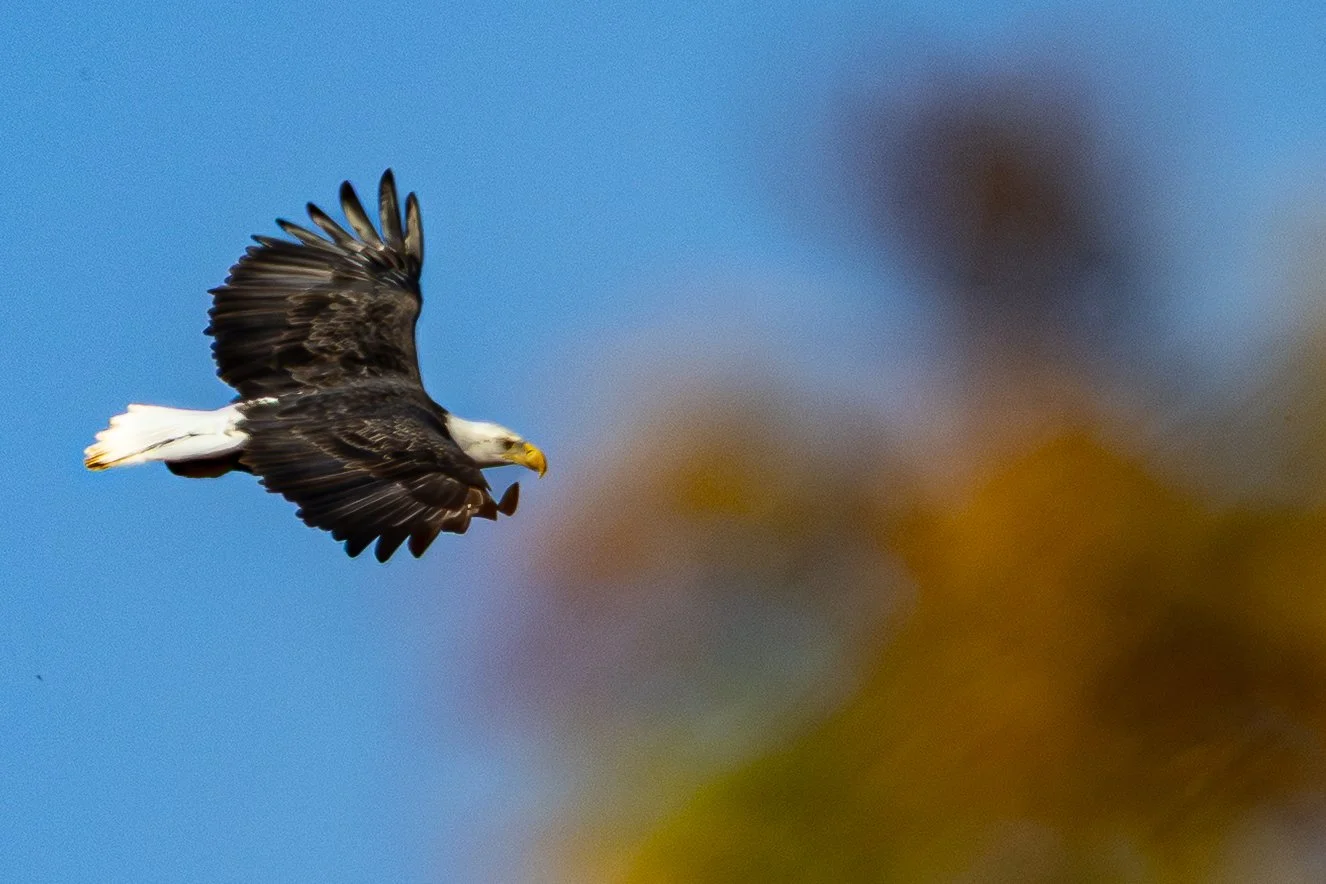
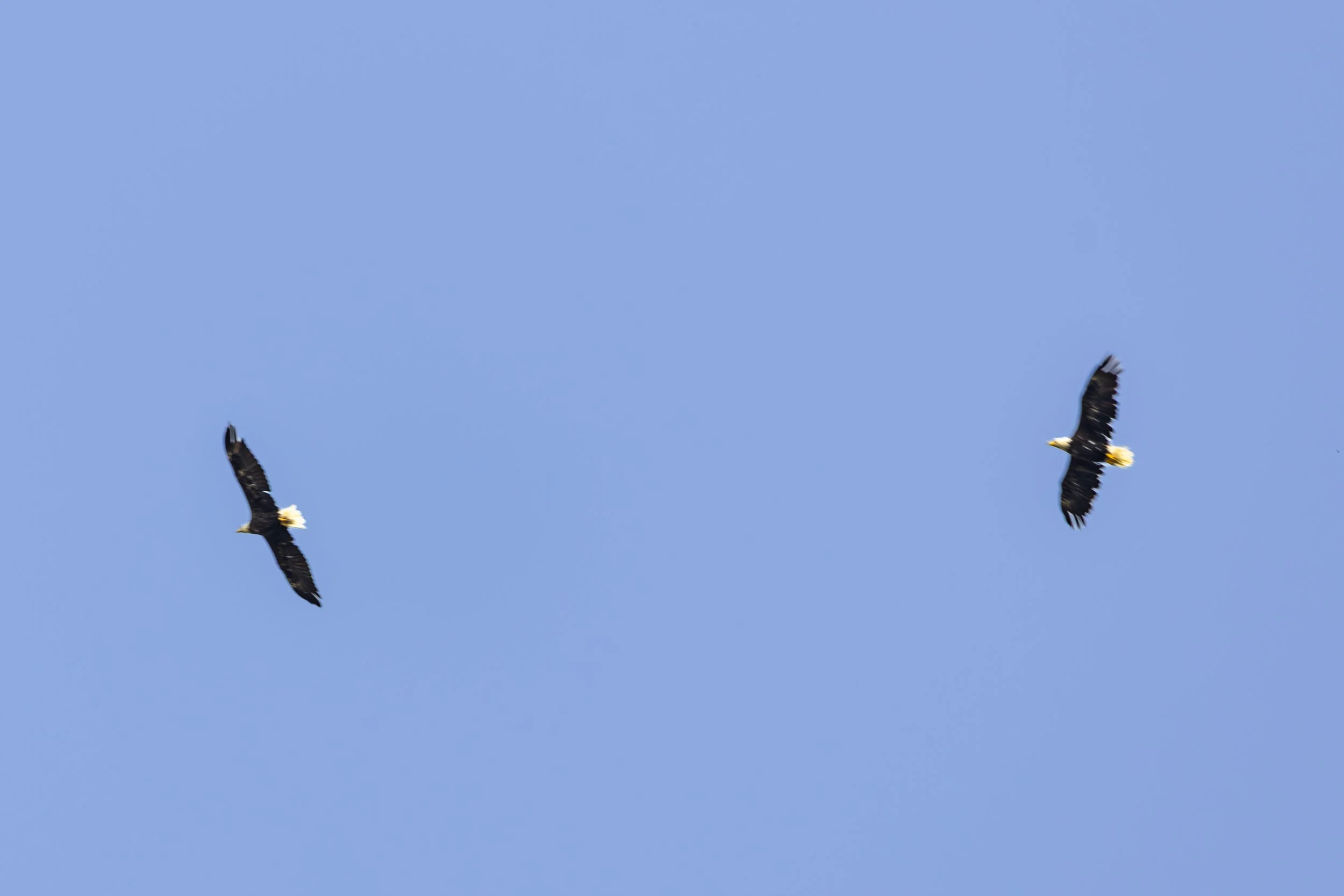
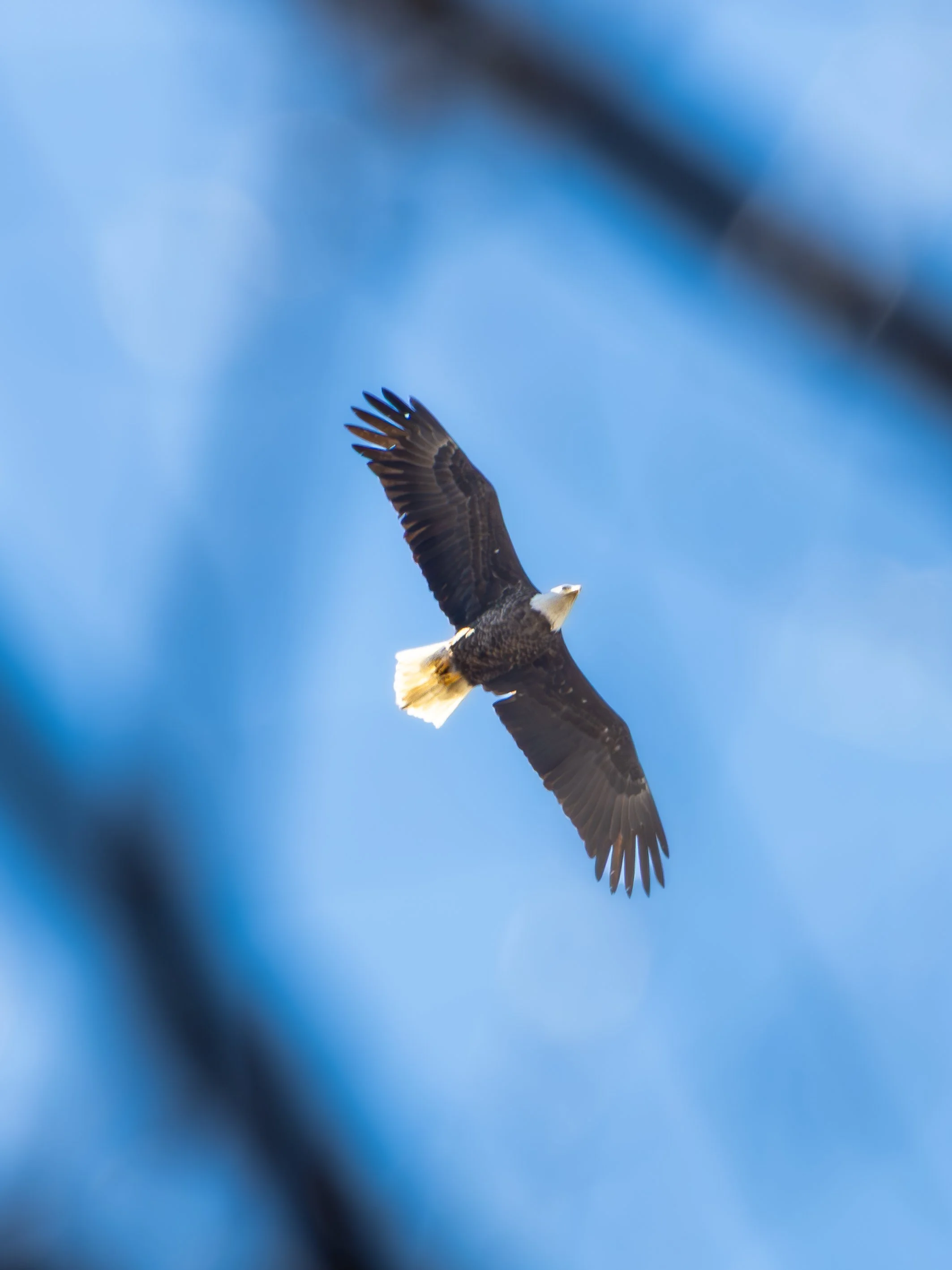
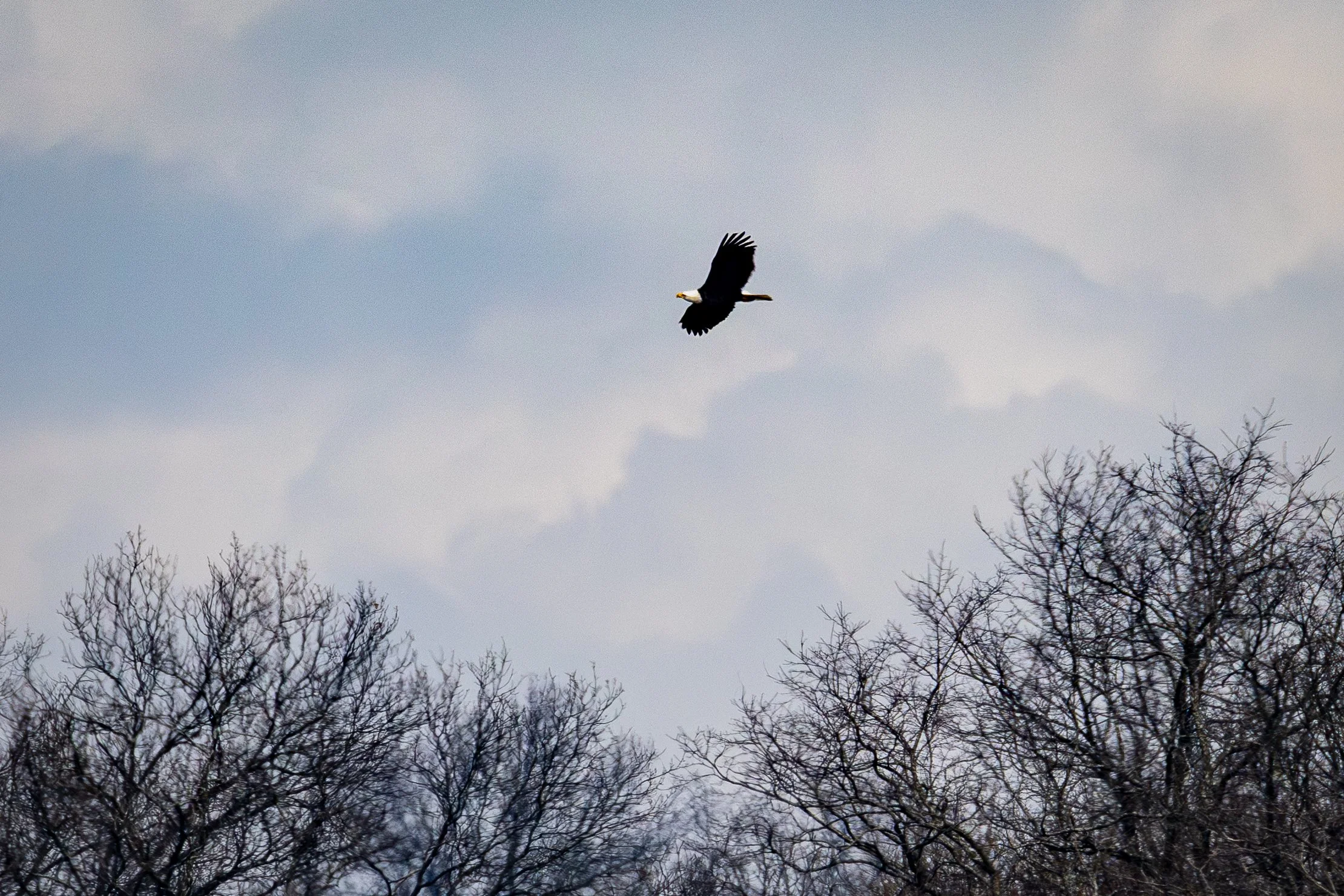
Speaking of size, Bald Eagles do rule the roost as the largest bird of prey found in the five boroughs— and in North America, they’re only smaller than the California Condor (Golden Eagles are similar in size, but the largest Baldies have them beat). They utilize their immense wingspan to catch thermals are rise extremely high, sometimes higher than 10,000 feet! This means that throughout most of the year, you’re likely to spot them as a mere speck in the sky. But when they’re low or perched? You can’t miss them.
Best Places to see them
Inwood Hilld Park - Riverdale Park -Prospect Park - Jamaica Bay Wildlife Refuge-
Forest Park- Mount Loretto Natural Area-Pelham Bay Park - Riverside Park
A bird of many colors
What makes them look so different?
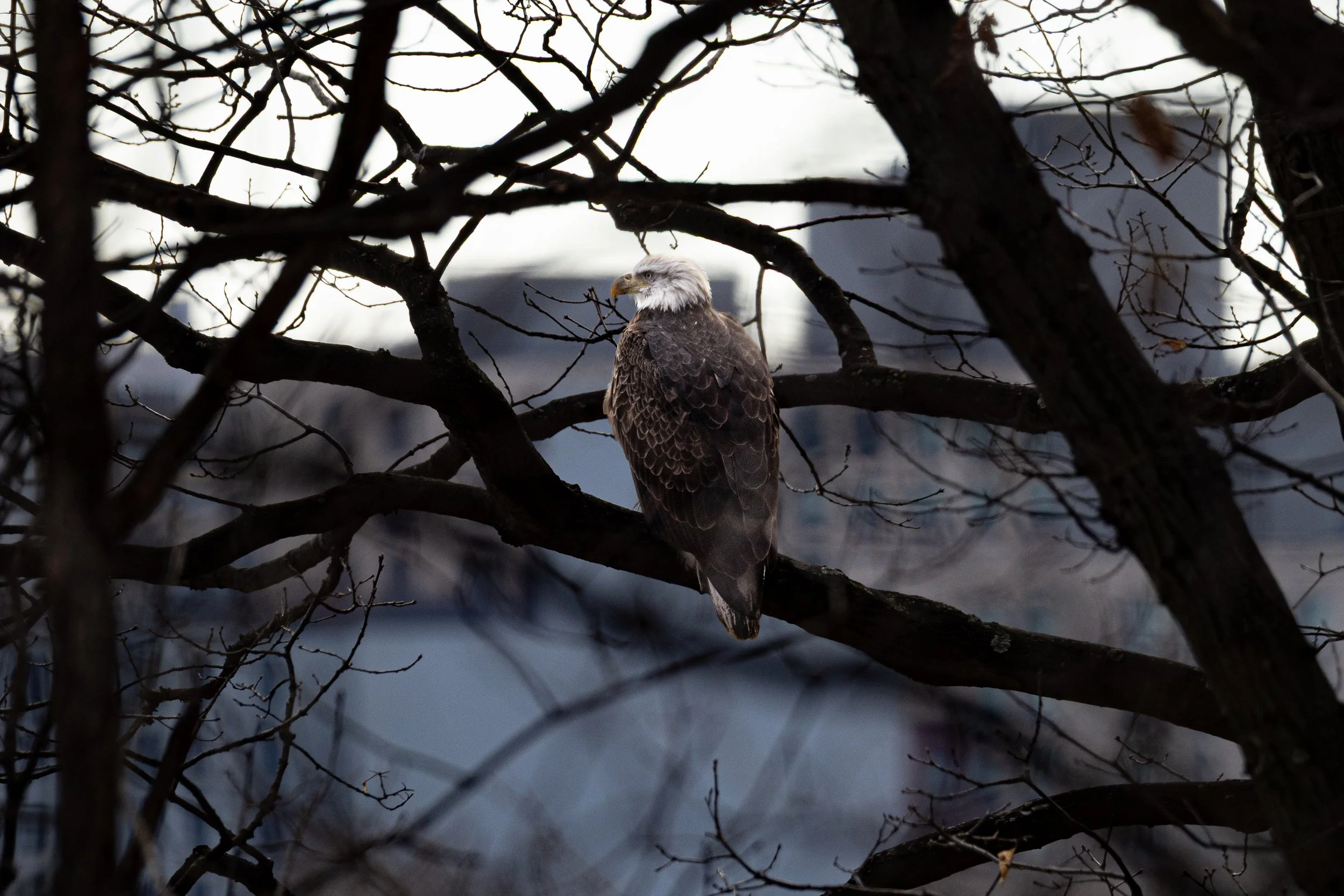
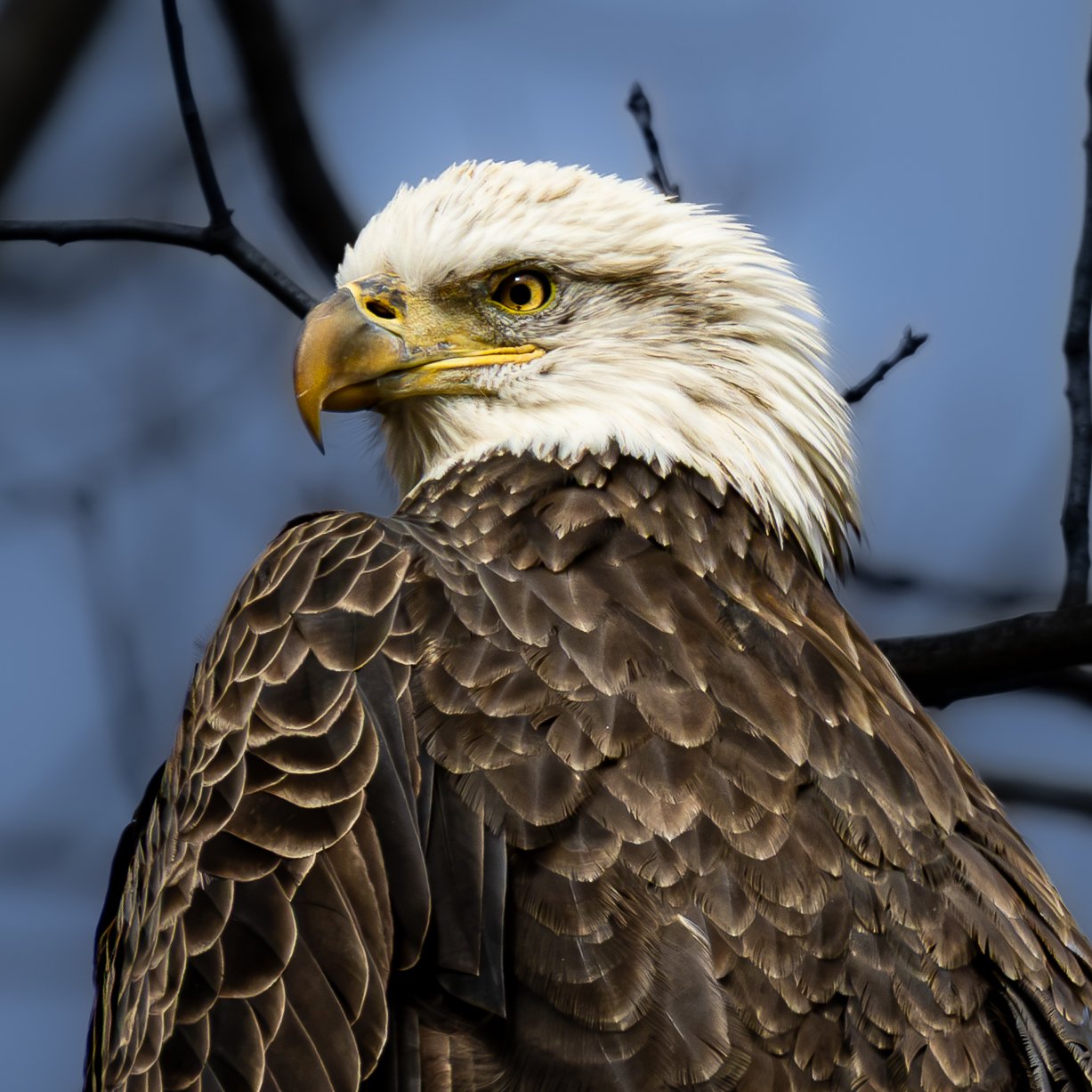
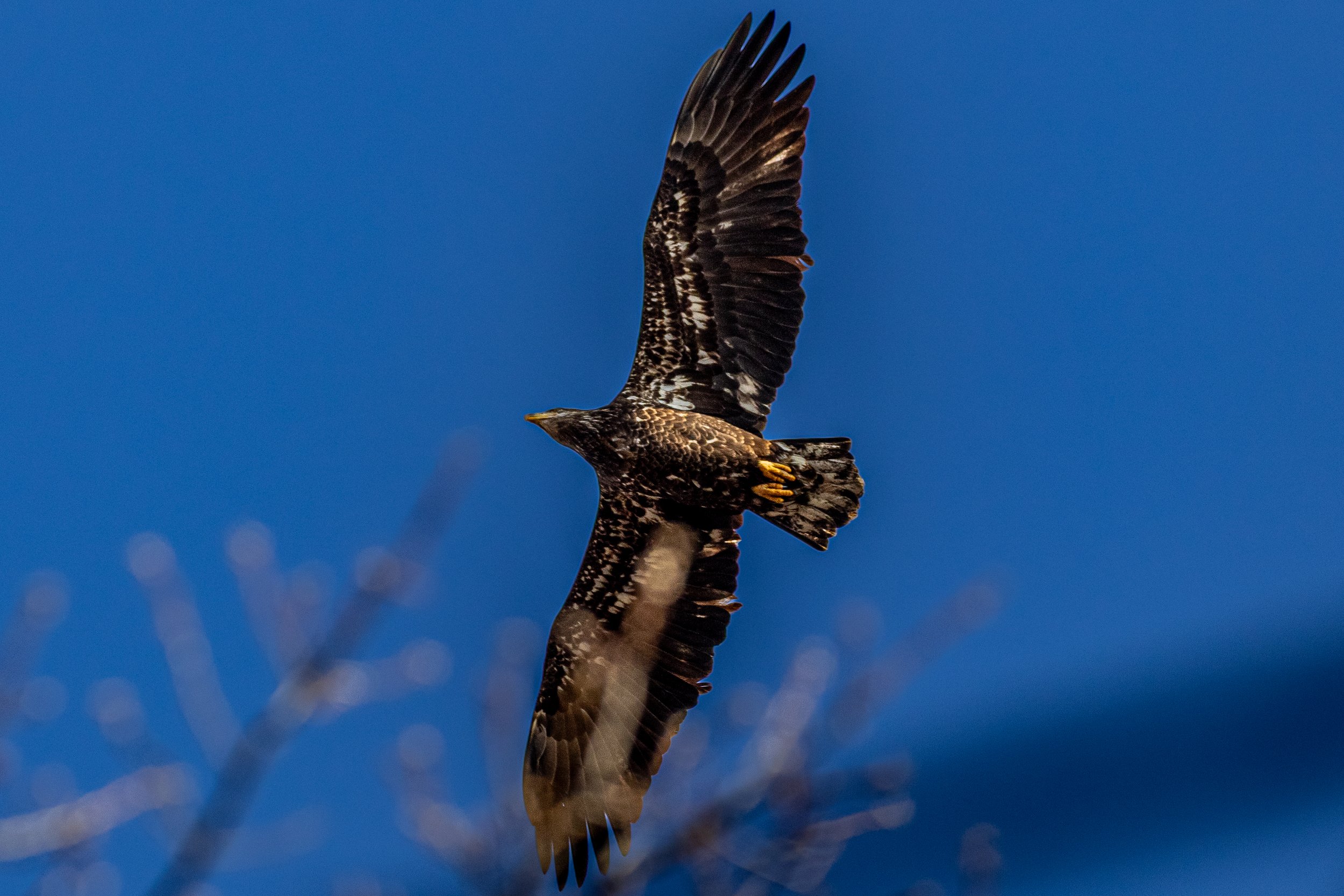
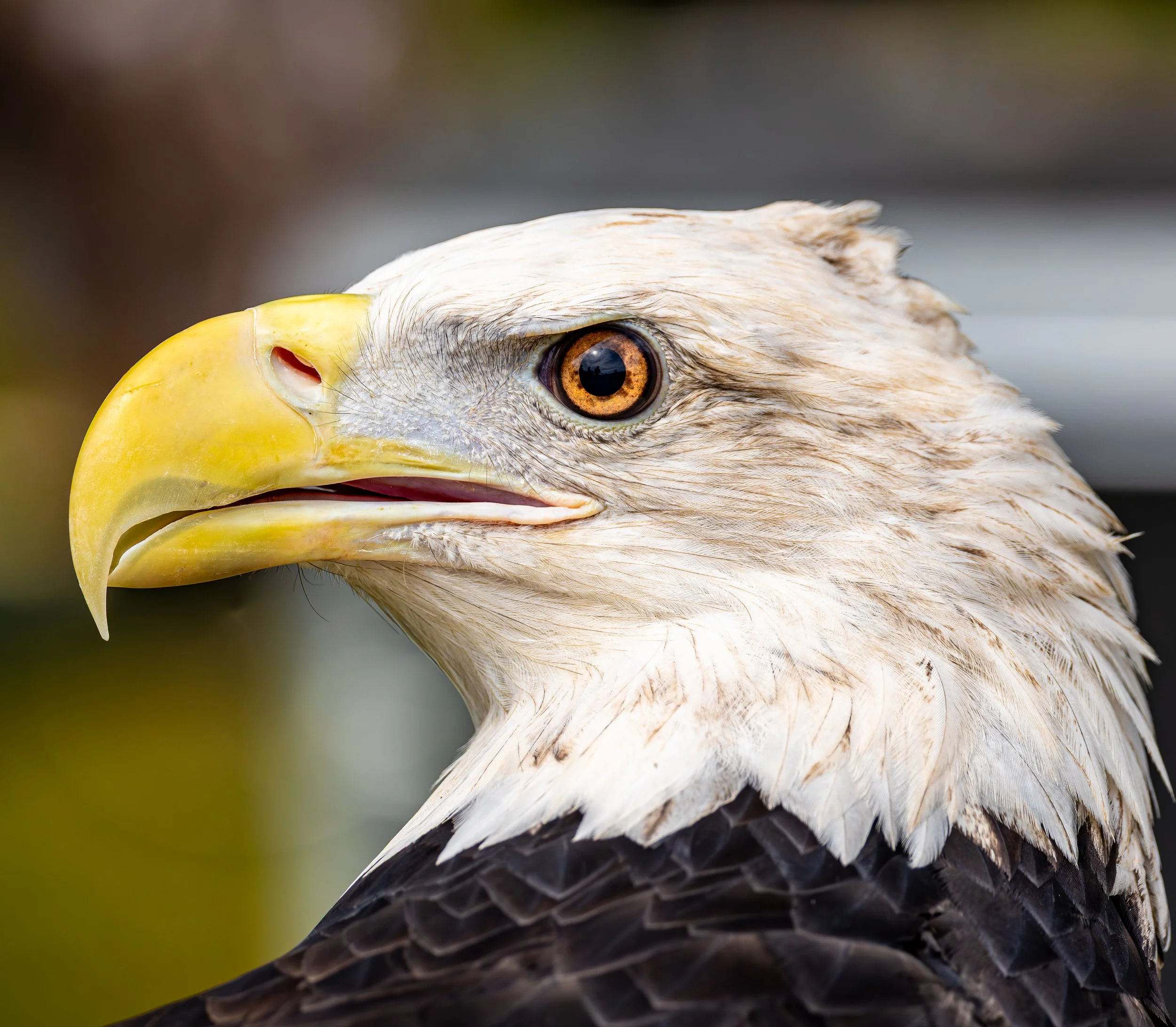
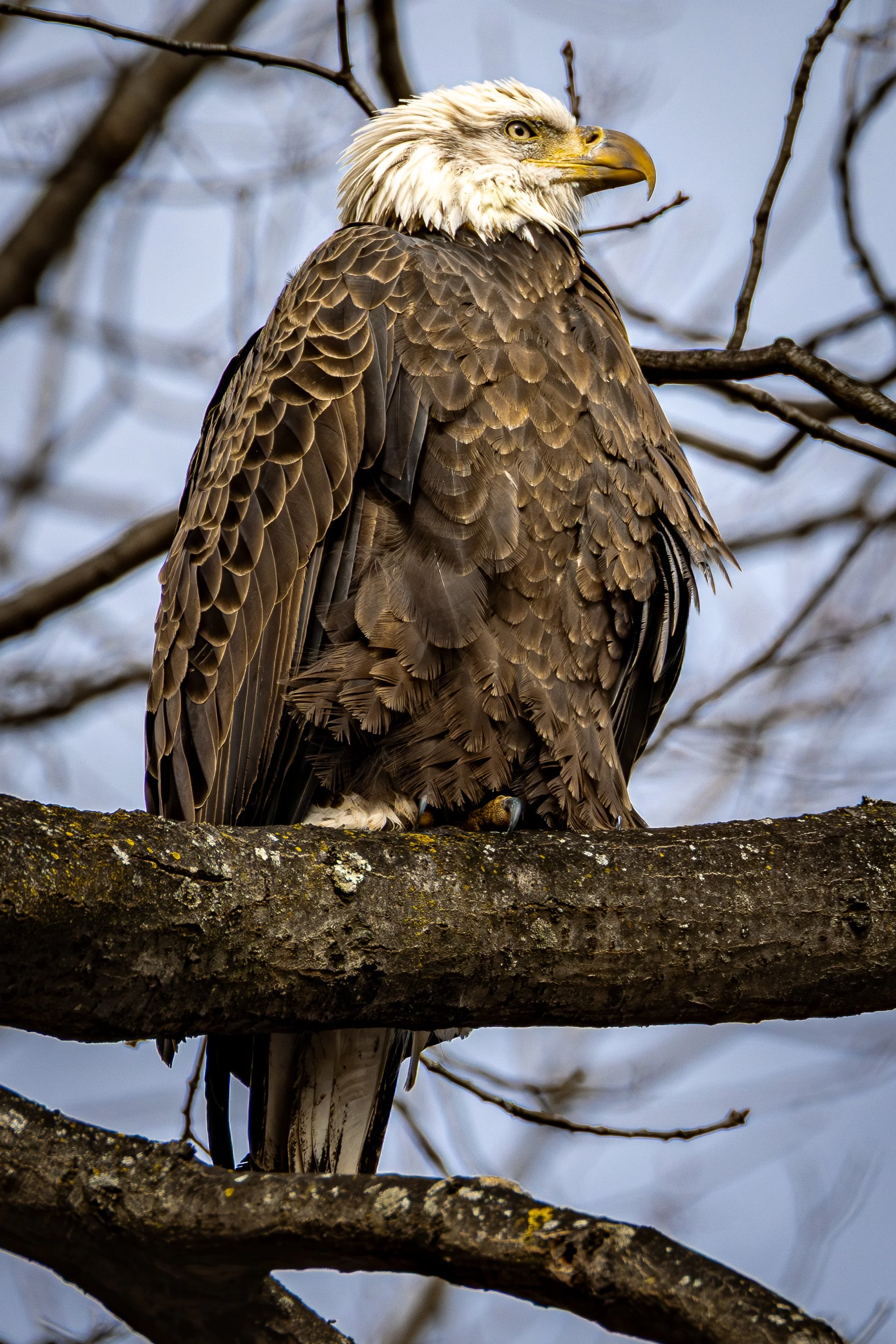
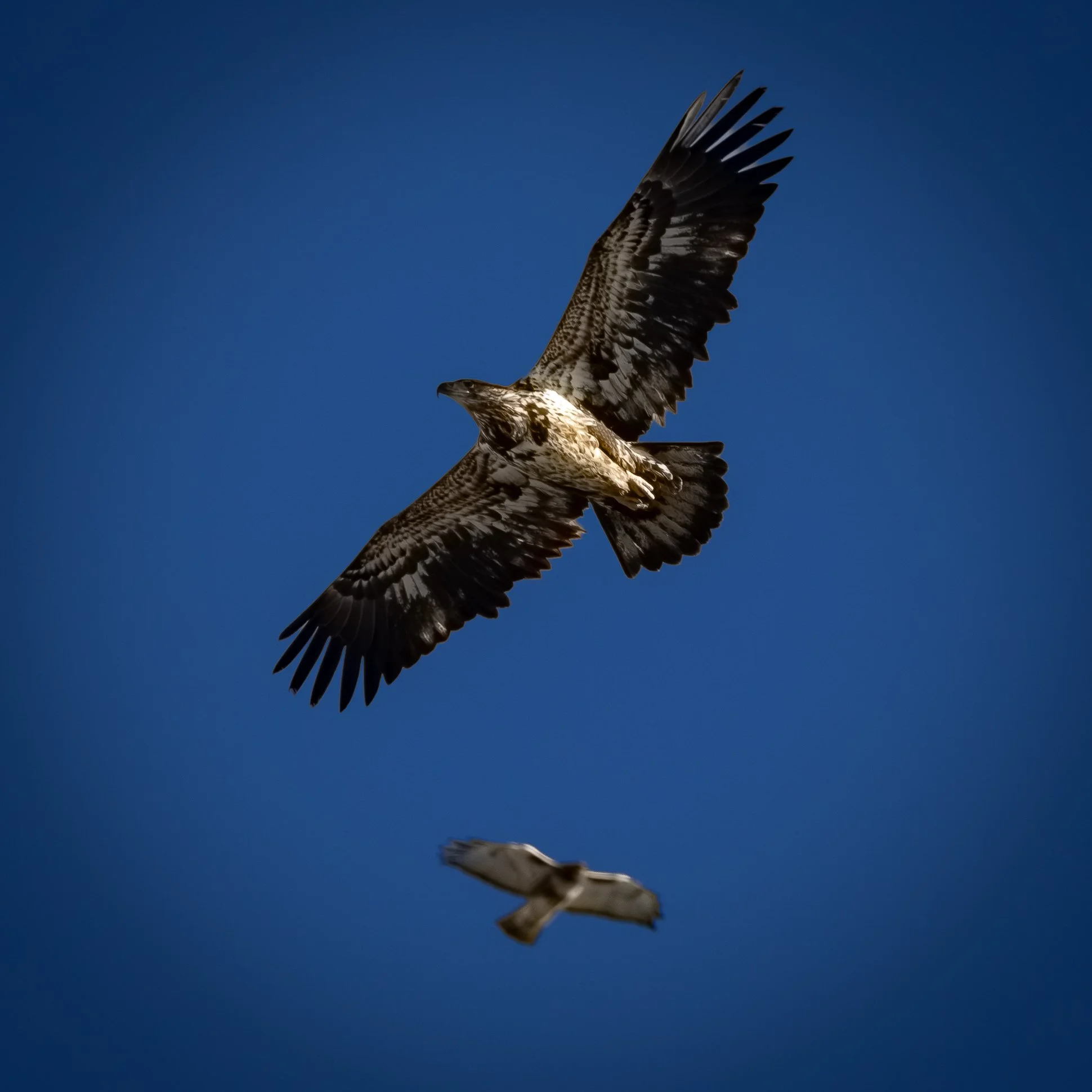
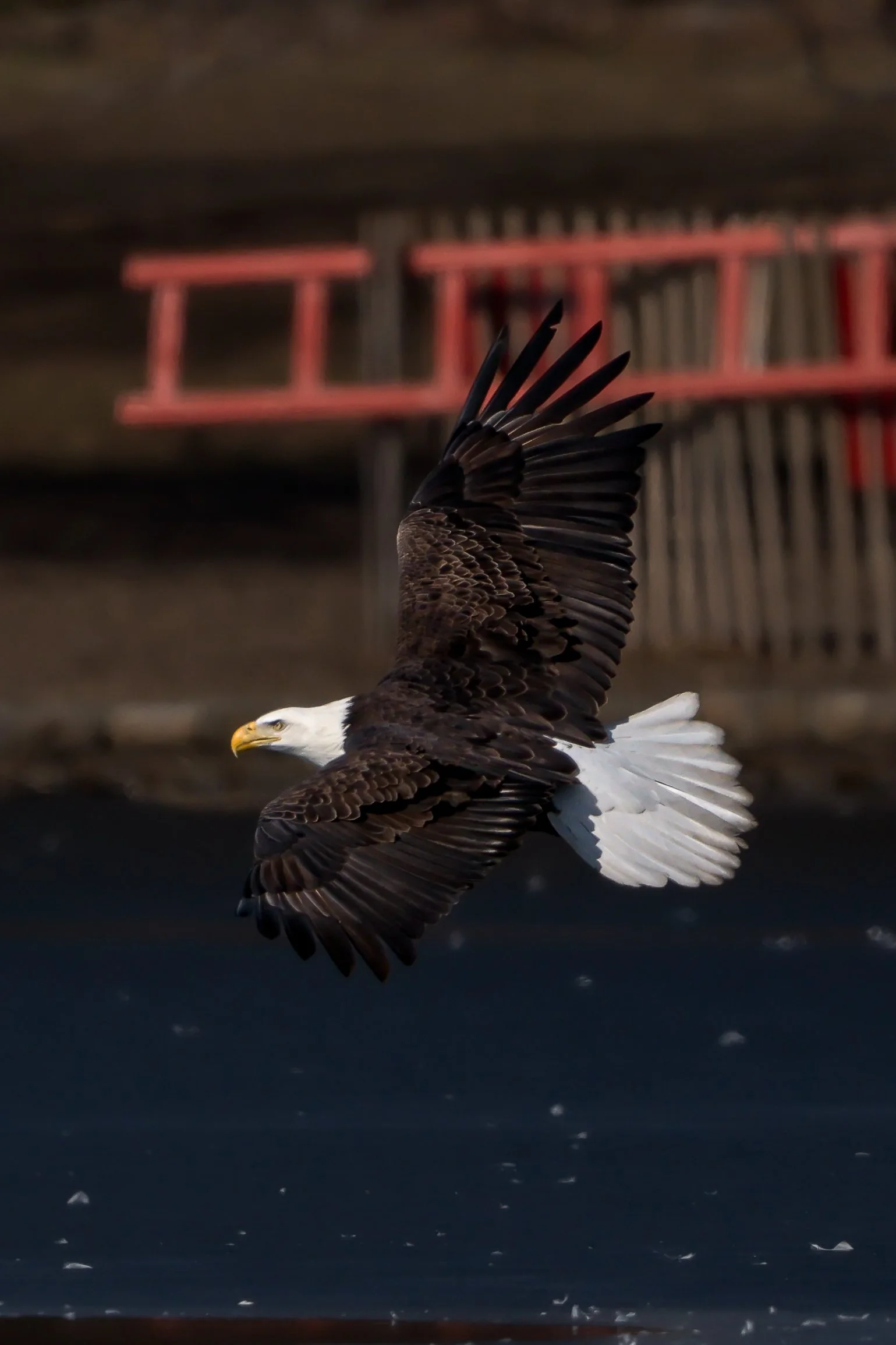
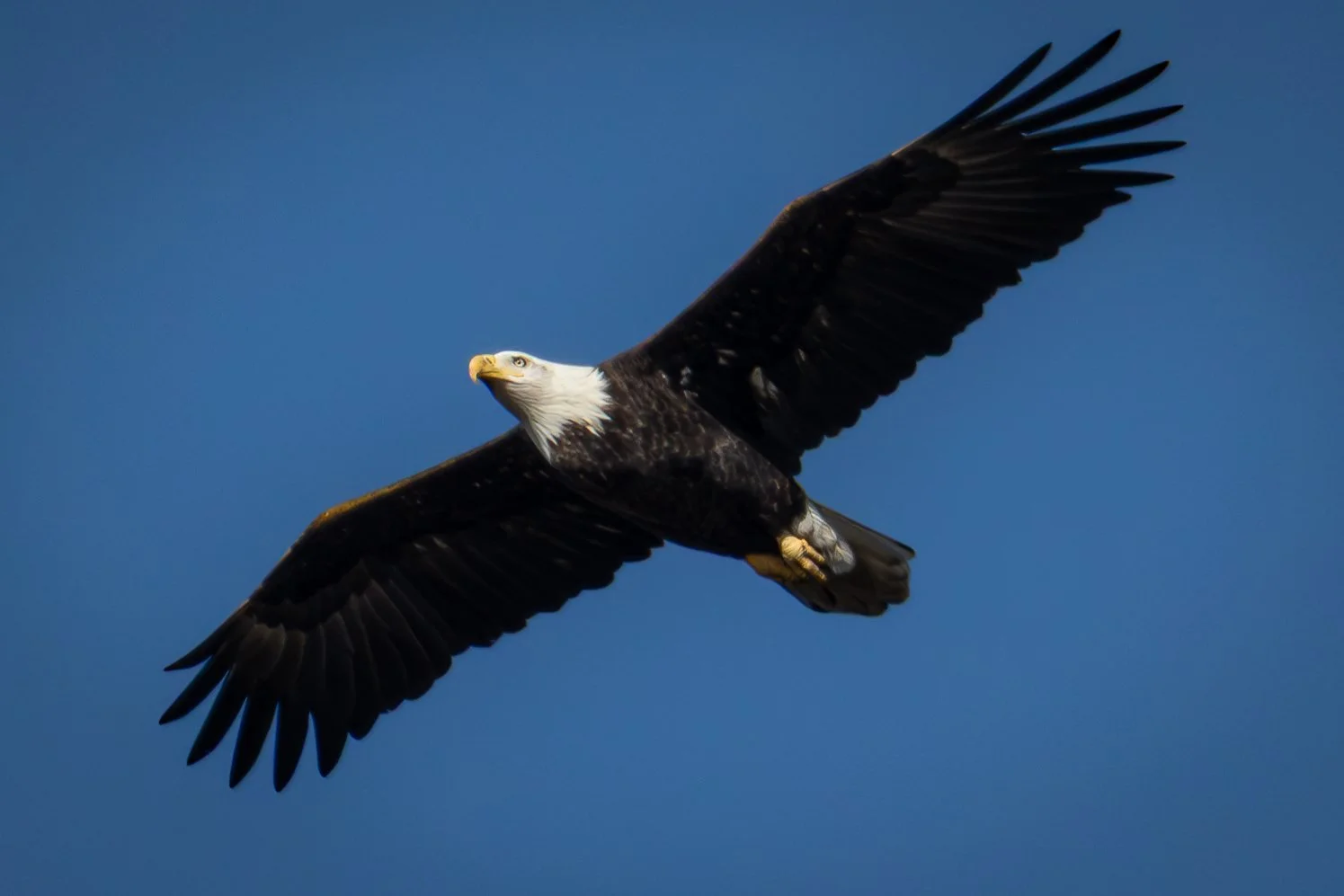
Bald Eagles are know for their white crowns, white tails, and their proud yellow beaks— but those traits take time to develop. When you encounter a Baldy, it can look several different ways:
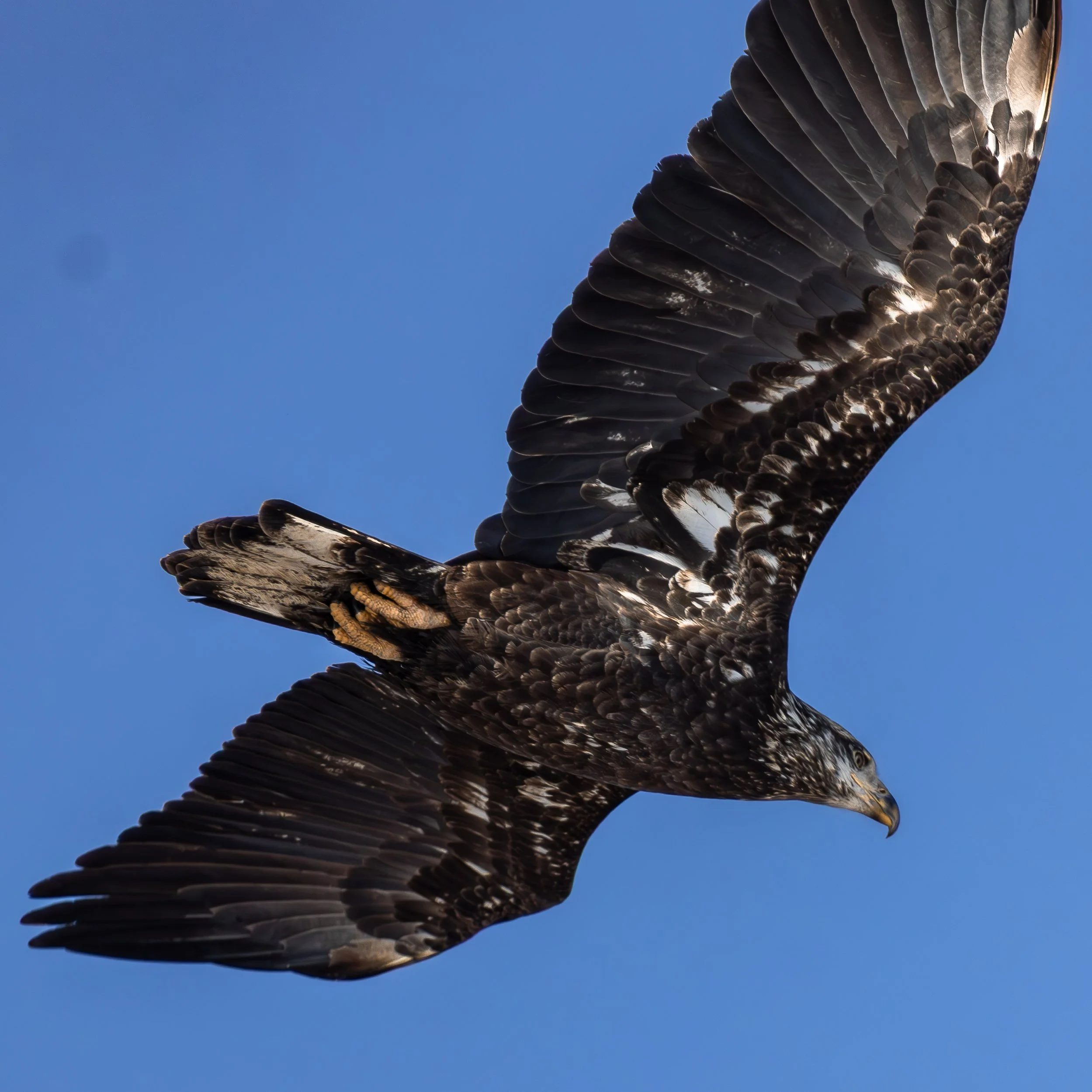
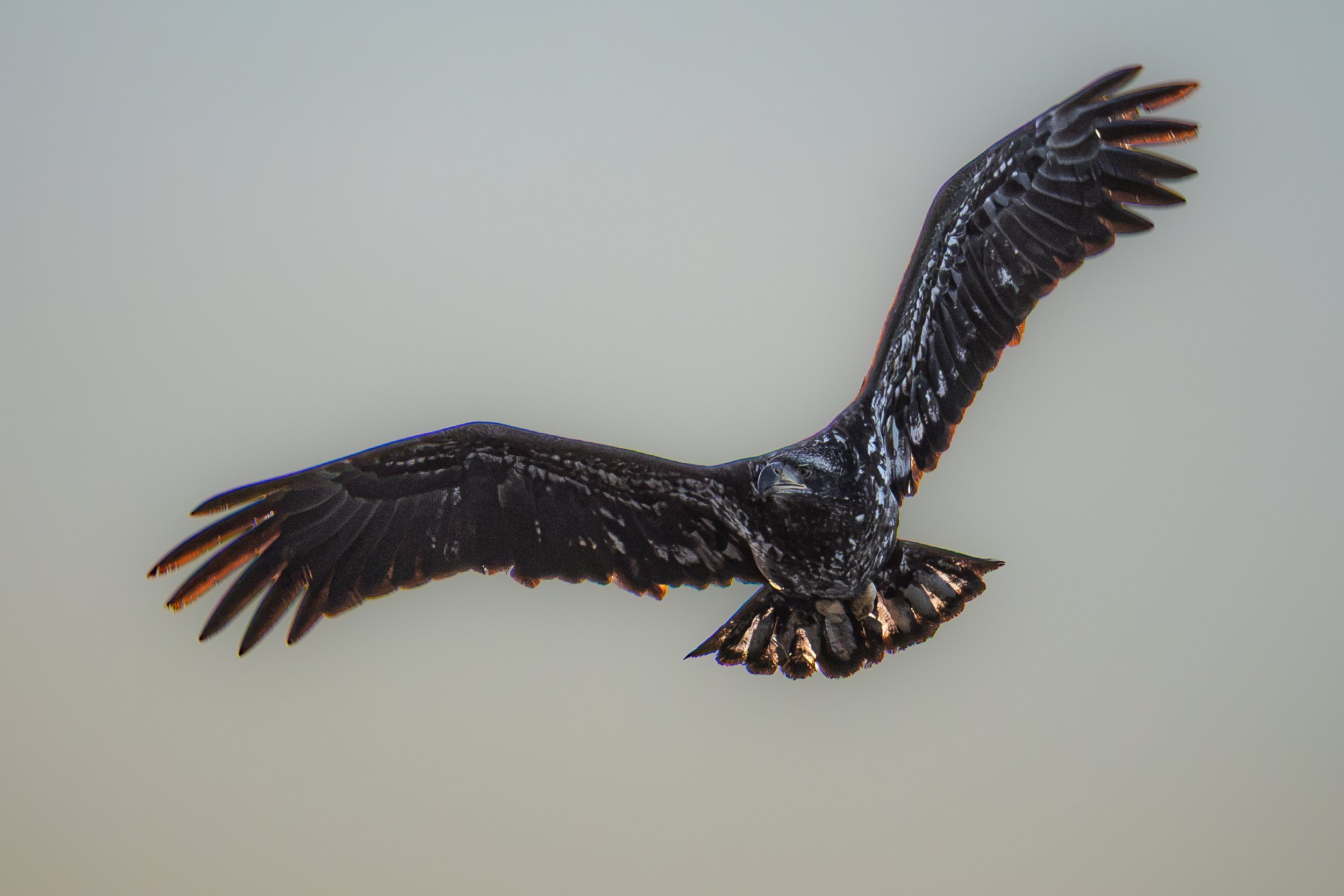
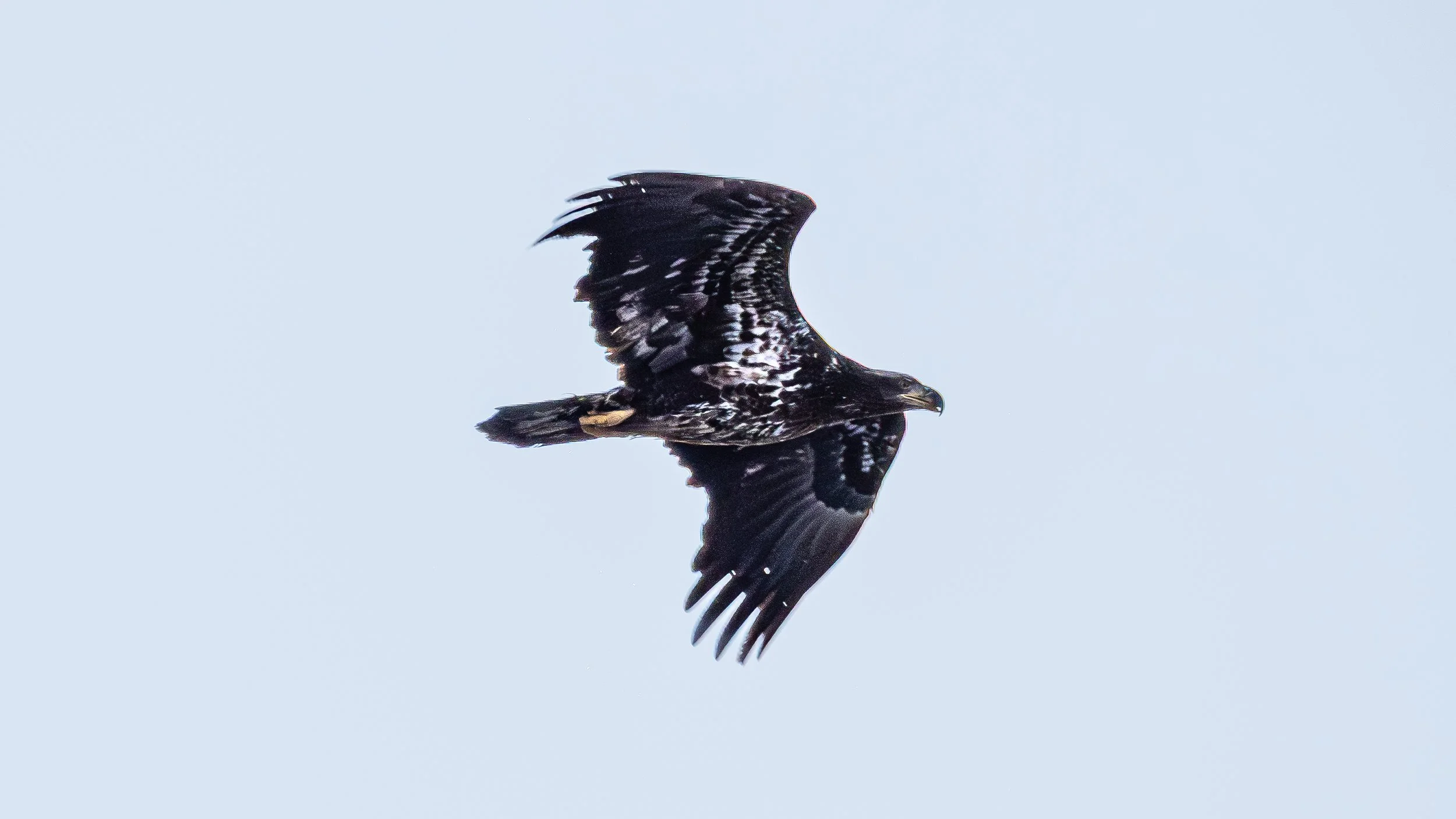
FIRST YEAR: Almost totally Brown. In fact, they’re so brown large parts of their upper beak are dark too.
SECOND YEAR: Large portions of the chest, tail, and wings now have white coloration. The tip of the upper beak still has some dark colors.
THIRD YEAR: Much of the white is gone from the chest and wings, while the tail and head continue to whiten. The Beak has some pale brown near the tip.
FOURTH YEAR: Some call this the “dirty” phase. The beat is almost solidly yellow, but the head still has some brown spots and there may be white splotches on the chest and wings.
During their first and second year, they’re easily mistakable for their slightly smaller cousins the Golden Eagles. There territories can’t help but overlap, as Golden Eagles can be found throughout the northern hemisphere. But Bald Eagles are unique to North America, part of what informed their choice as our national bird. Baldies are also predominantly fish eaters, making the Hudson River Valley and the New York archipelago a veritable smorgasbord for their appetites.
Fast Facts
Height: 28-40 inches tall (71-102cm) , the length of a Golf Driver
Wingspan: 71- 91 inches (1.8-2.6m) , the length of the average sofa
Weight: 6.5 - 14lbs (3-6.3kg) or about the weight of a full paint can
Diet: Mostly fish (70-90%), although the will feed opportunistically on small mammals, reptiles, and carrion.
Behavior: Soaring birds, they fly incredible high on their powerful wings, and can reach speeds of nearly 100mph in a dive. During winter, they seek out territories with unfrozen water to fish in.
Lifespan: In the wild, Bald Eagles can live for up to 30 years, with the oldest recorded bird reaching 38. A captive bird can reach 50!
Reproduction: Baldies take 4 years to reach sexual maturity, and they will mate for life as long as the couple consistently produces healthy chicks. Their mating displays include some serious aerial theatrics, where the pair locks talons while diving in free fall.

Watch Our Episode!
Tap the image below to learn more about Bald Eagles