
Mighty Munchers of the Big Apple
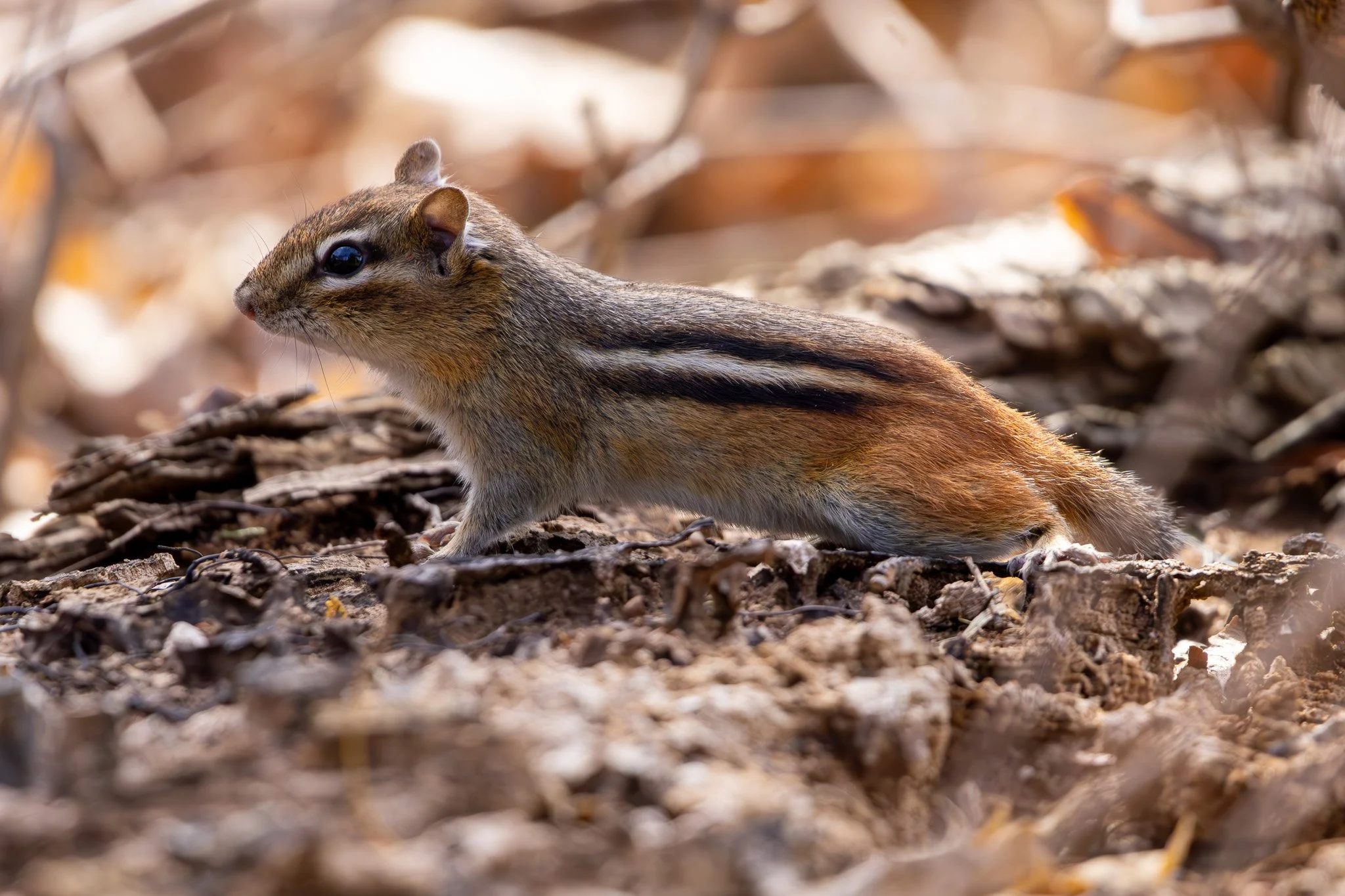
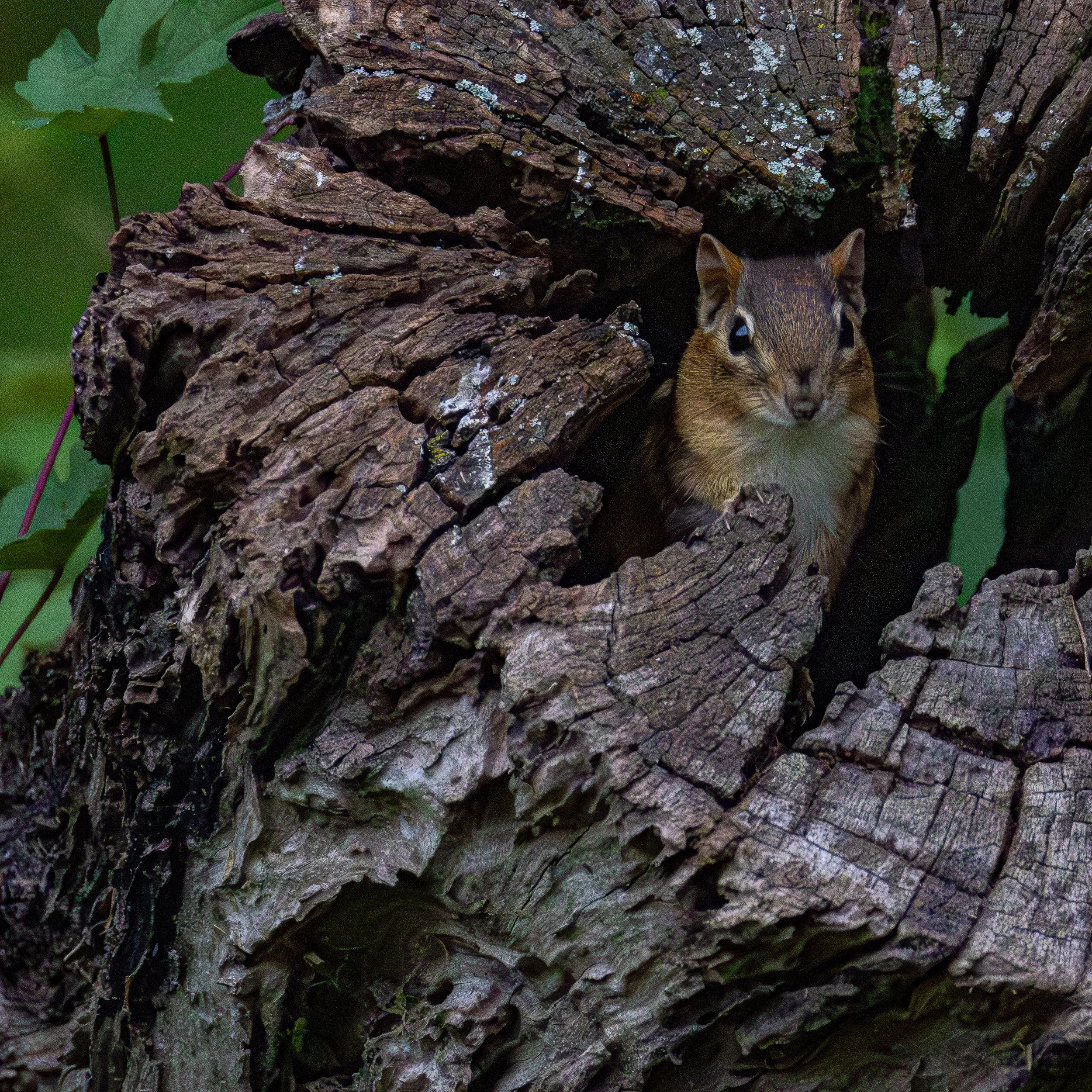
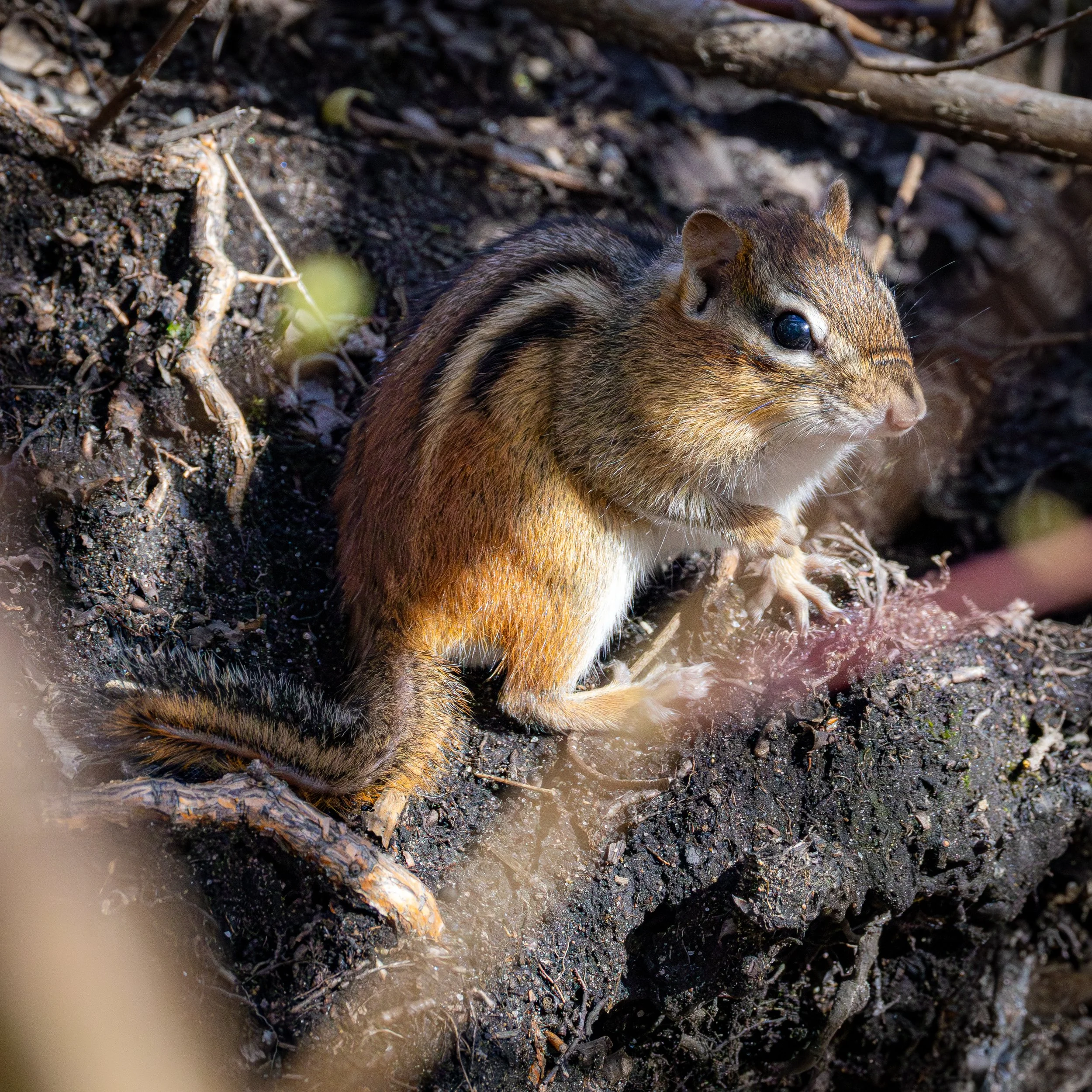
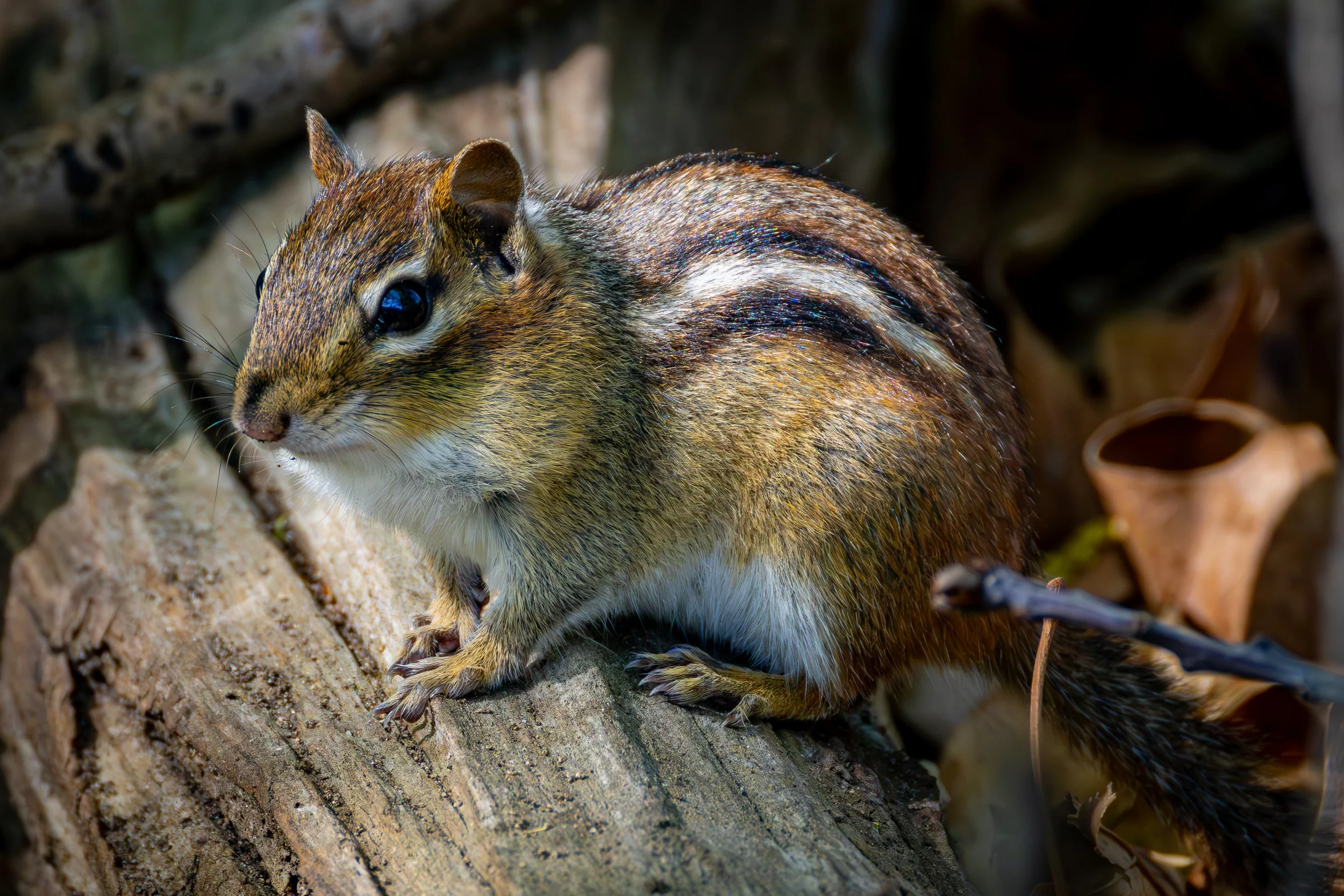
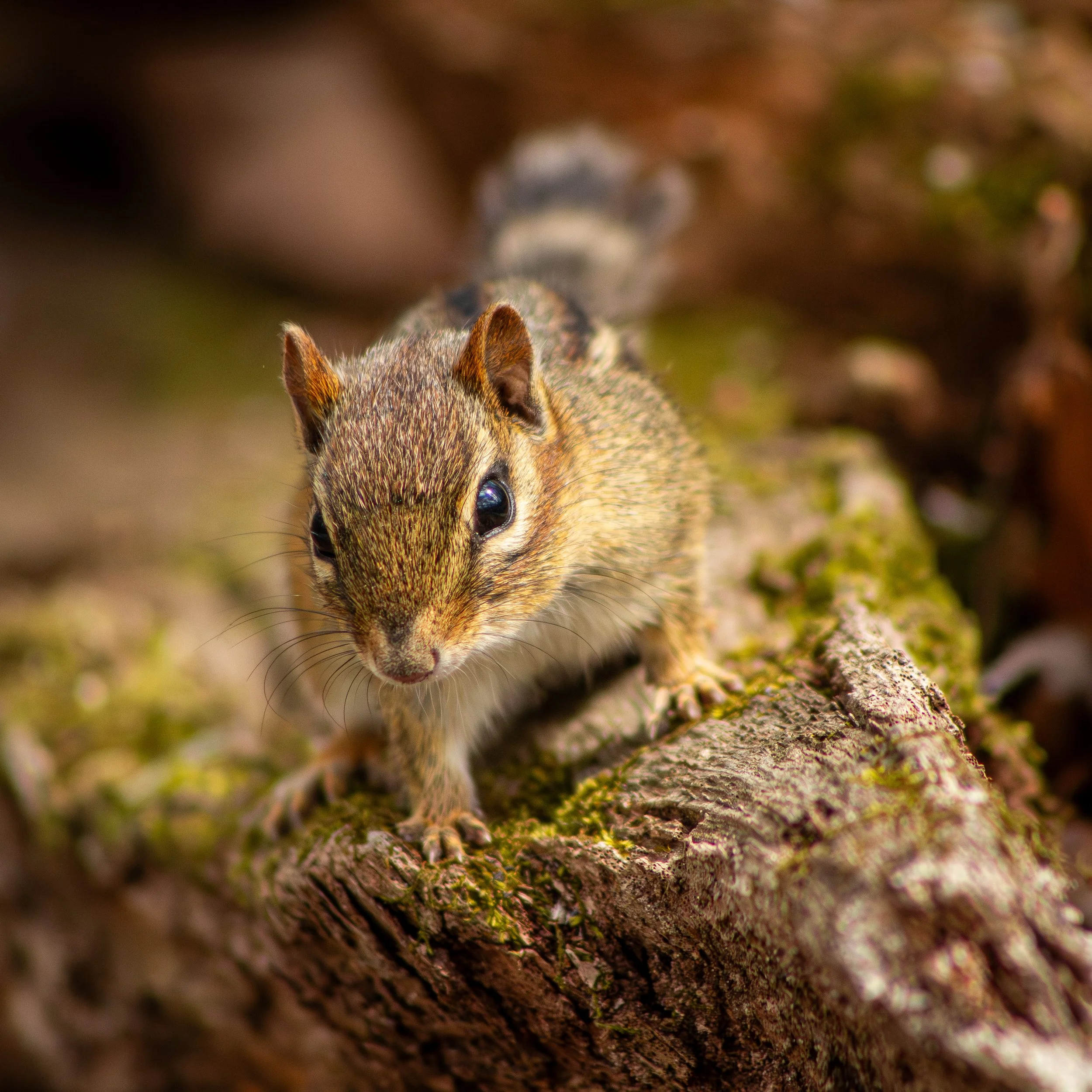
Eastern Chipmunk
Tamias Striatus
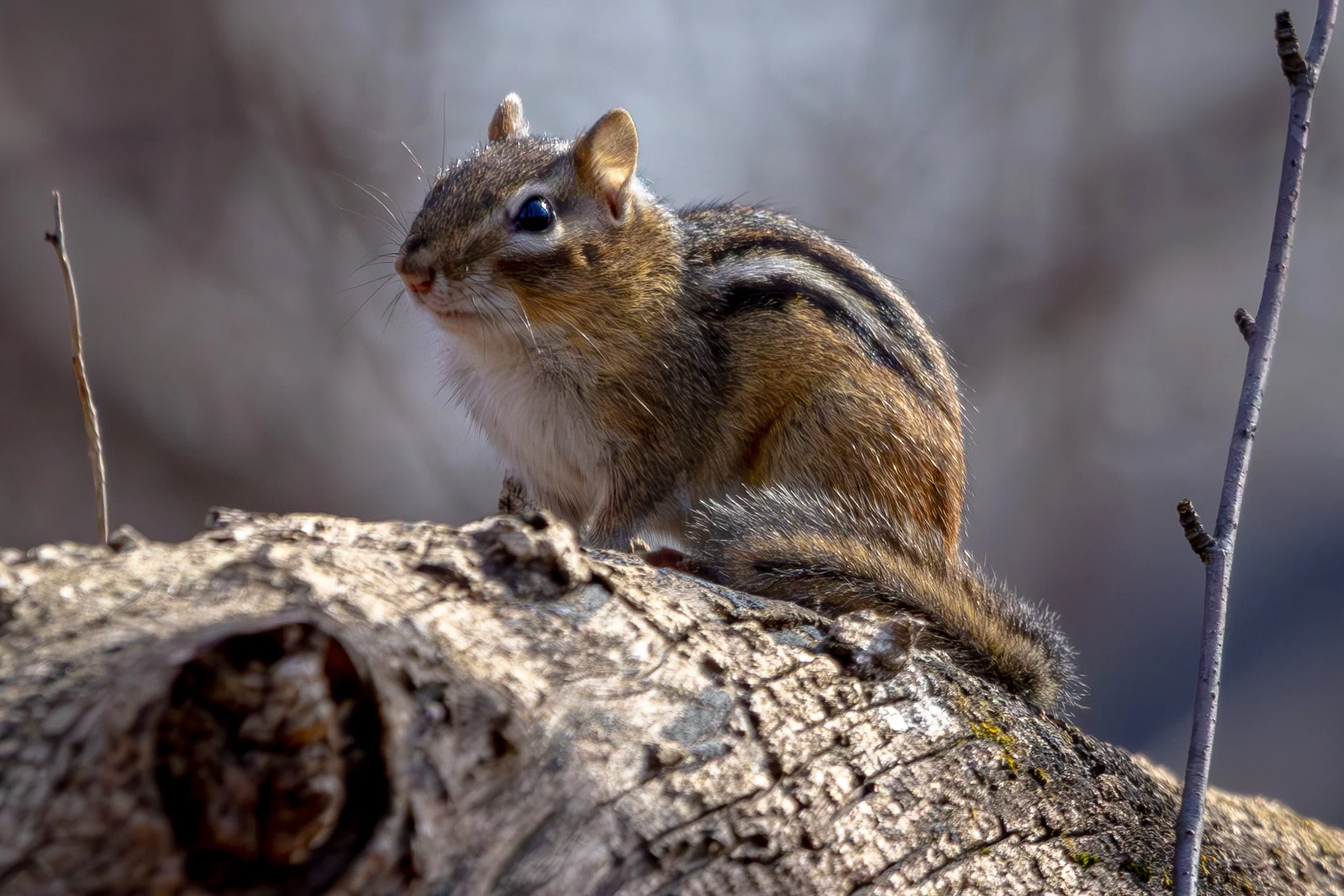
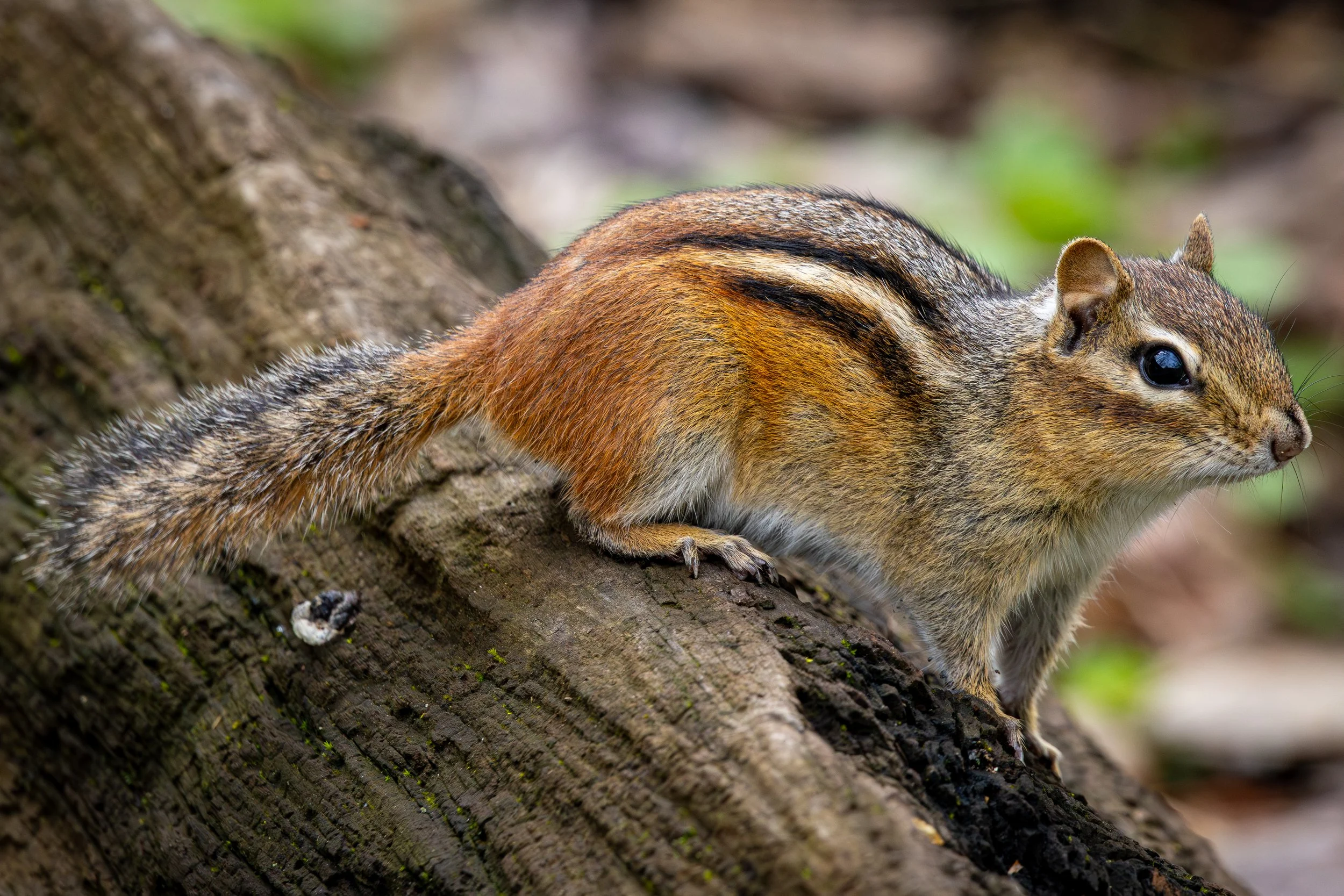
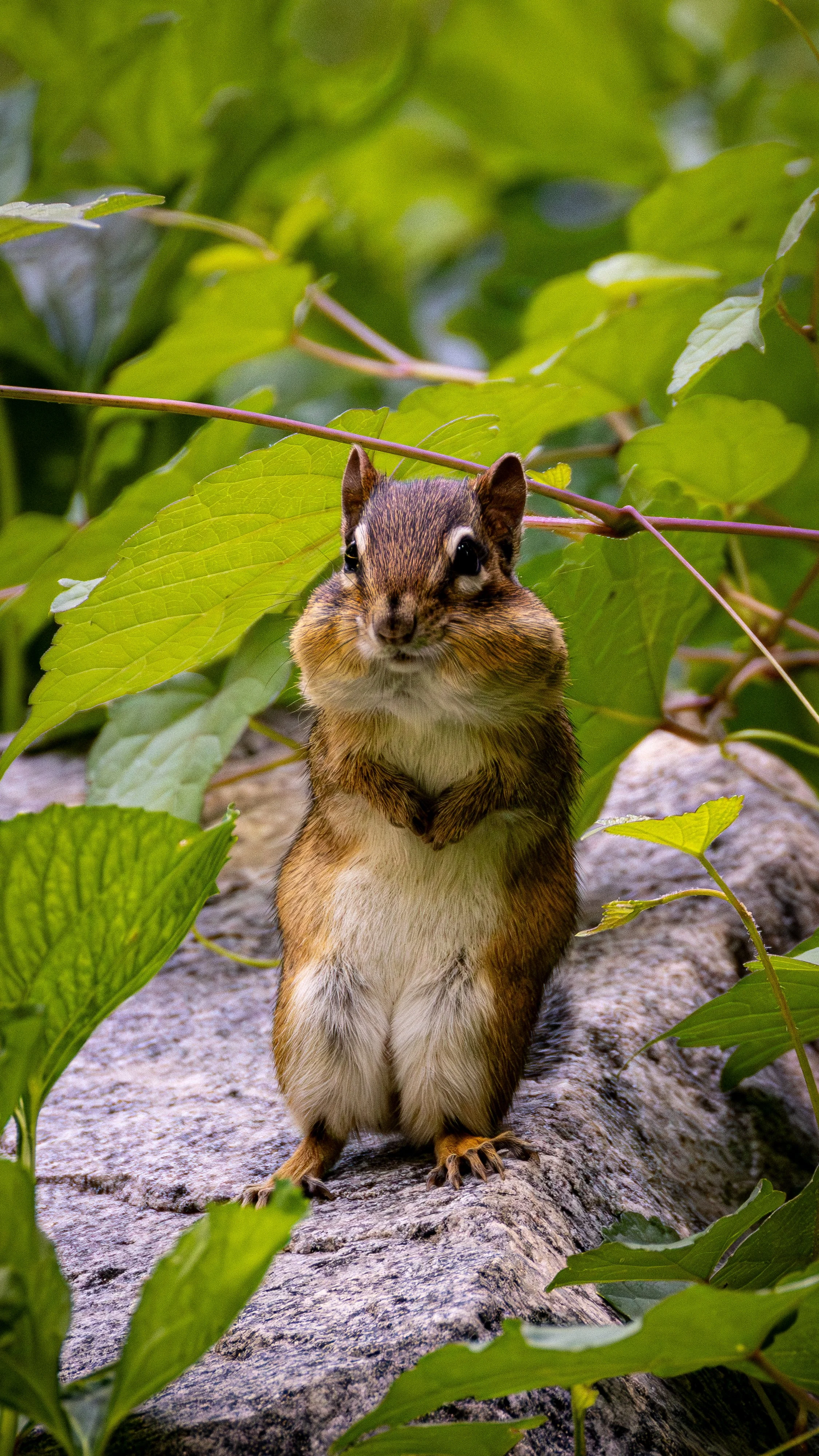
New York’s smaller ground squirrel, Chipmunks frequently scurry about the forest floor unnoticed. But you shouldn’t wait to spot them up a tree to take note— these ecological excavators are as fascinating as they are adorable!
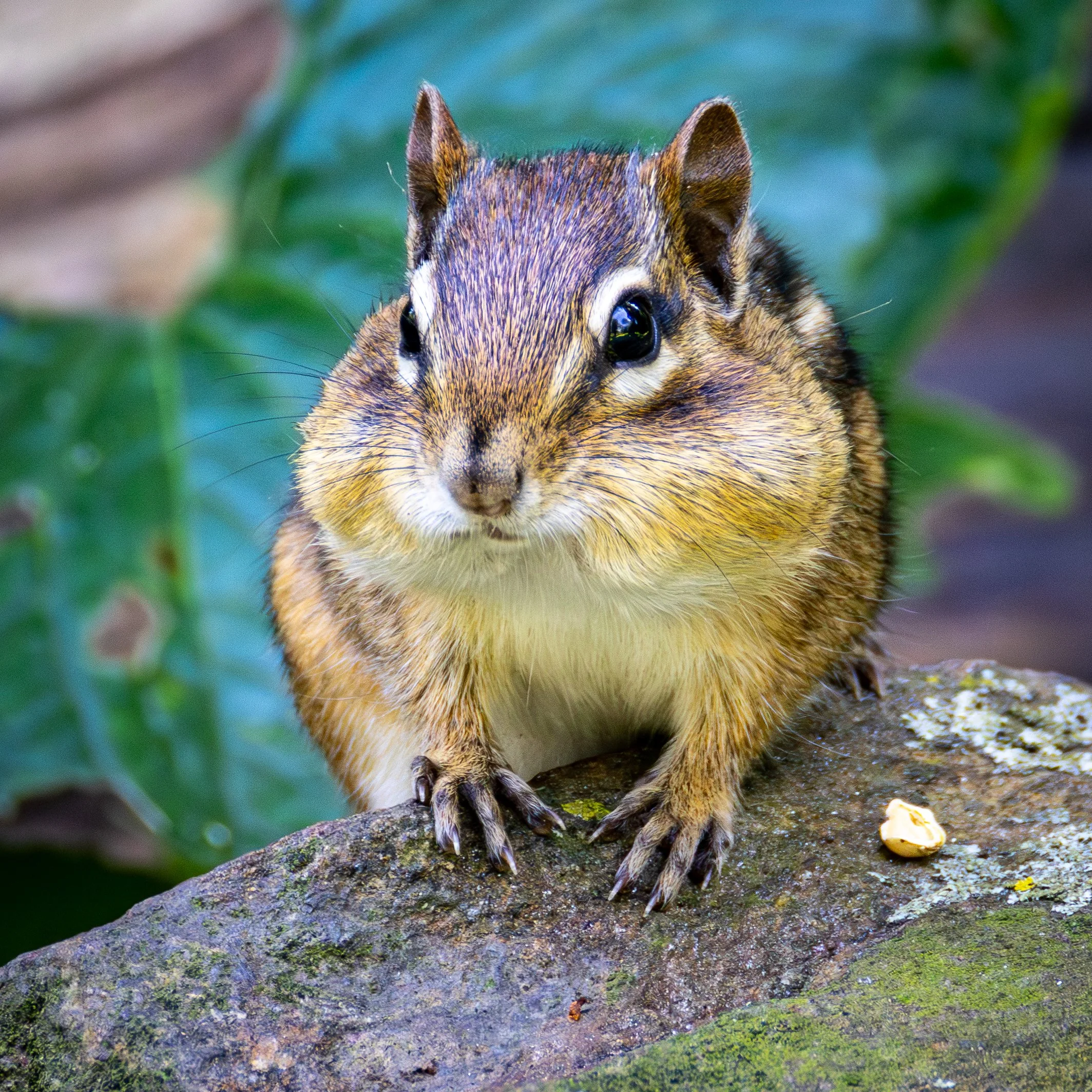
Like other squirrels, Chipmunks play a significant role in seed dispersal. They can gather more than 180 in a single day! And they rely on that hoarding ability to survive. During the long New York City winters, they enter a state of torpor, a period of reduced activity where they only wake up every week or two to eat. In the warmer months, they’re in a constant flurry of activity packing their cheeks (and caches) to the brim.
You might have known that a group of chipmunks is called a “Scurry”, but did you know they’re the only member of their Genus “Tamias”? In fact, the Eastern Chipmunk is one of only two extant chipmunk species along wit the Siberian Chipmunk! Despite a range that extends from the Great Plains to southern Canada, you shouldn’t take these striped scramblers for granted. They’re a pretty unique part of our urban landscape!
Best Places to see them
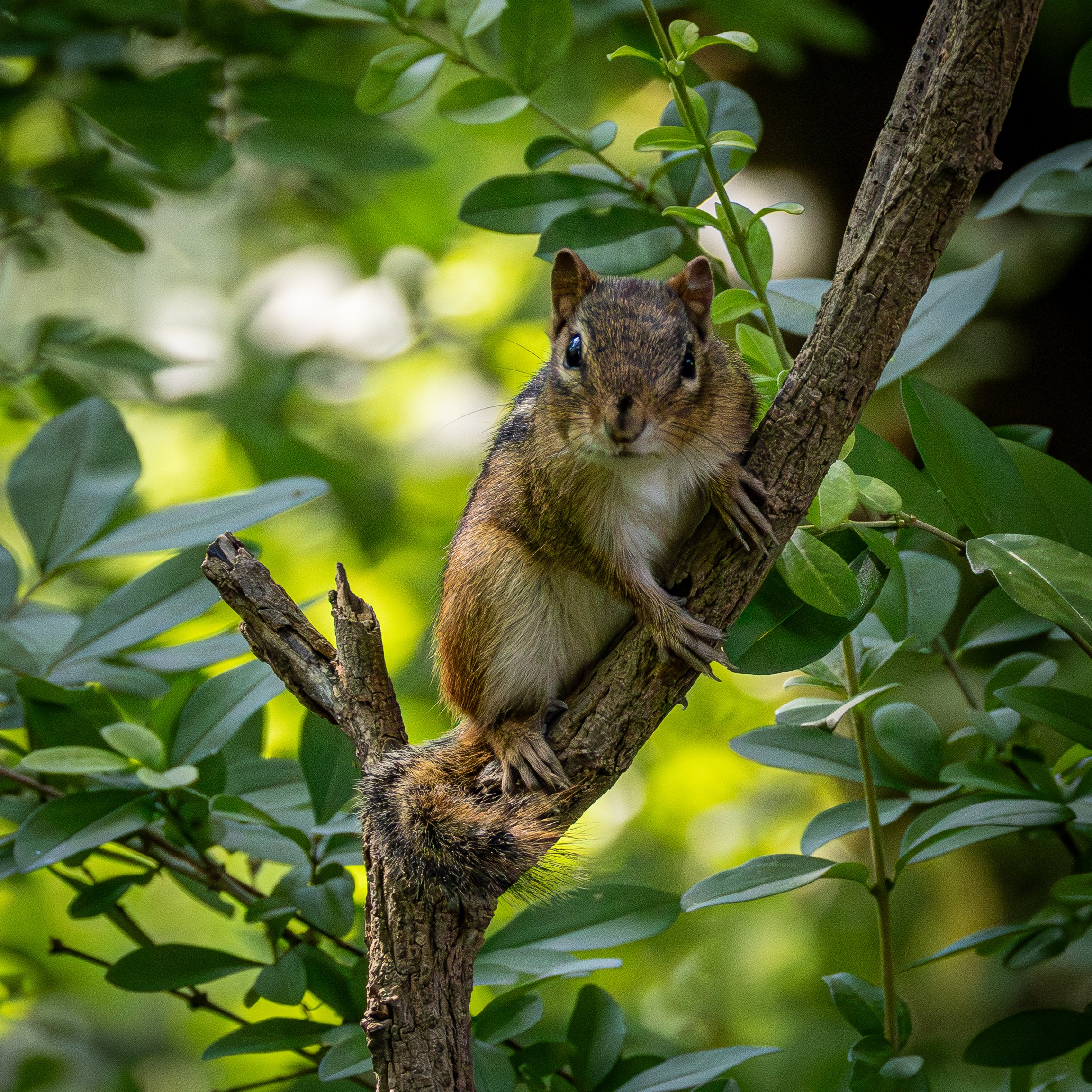
Central Park -Prospect Park - Van Cortlandt Park -
Mount Loretto State Park- High Rock Park-Pelham Bay Park
What’s in a name?
Are they chip or are they munk?
Like many North American Mammals, our name for these small squirrels likely come from Indigenous roots. The Ojibwe People of the Great Lakes called them “jidmoonh”, meaning Red Squirrel, while other Ottowa dialects used “ajidamoo” , to describe a creature “who descends trees headlong.”
But the “Chip” part may actually come from the sound they make! If you find yourself deep in the forest and hear a sharp, high pitched sound coming from the undergrowth, you may have stumbled into a chipmunk’s territory. The Oxford English Dictionary first described them as “Chipping Squirrels” in John James Audubon’s ‘Imperial Collection of Audubon Animals.”
And they are quite territorial. Like their cousins, the Woodchuck, Chipmunks are solitary outside of their breeding season. They spend their time building incredibly complex borough structures that can reach depths of 30 feet, with plenty of rooms for storage, bathroom breaks, and raising young.And good lucking finding one— they not only hide them well, they install multiple exits!
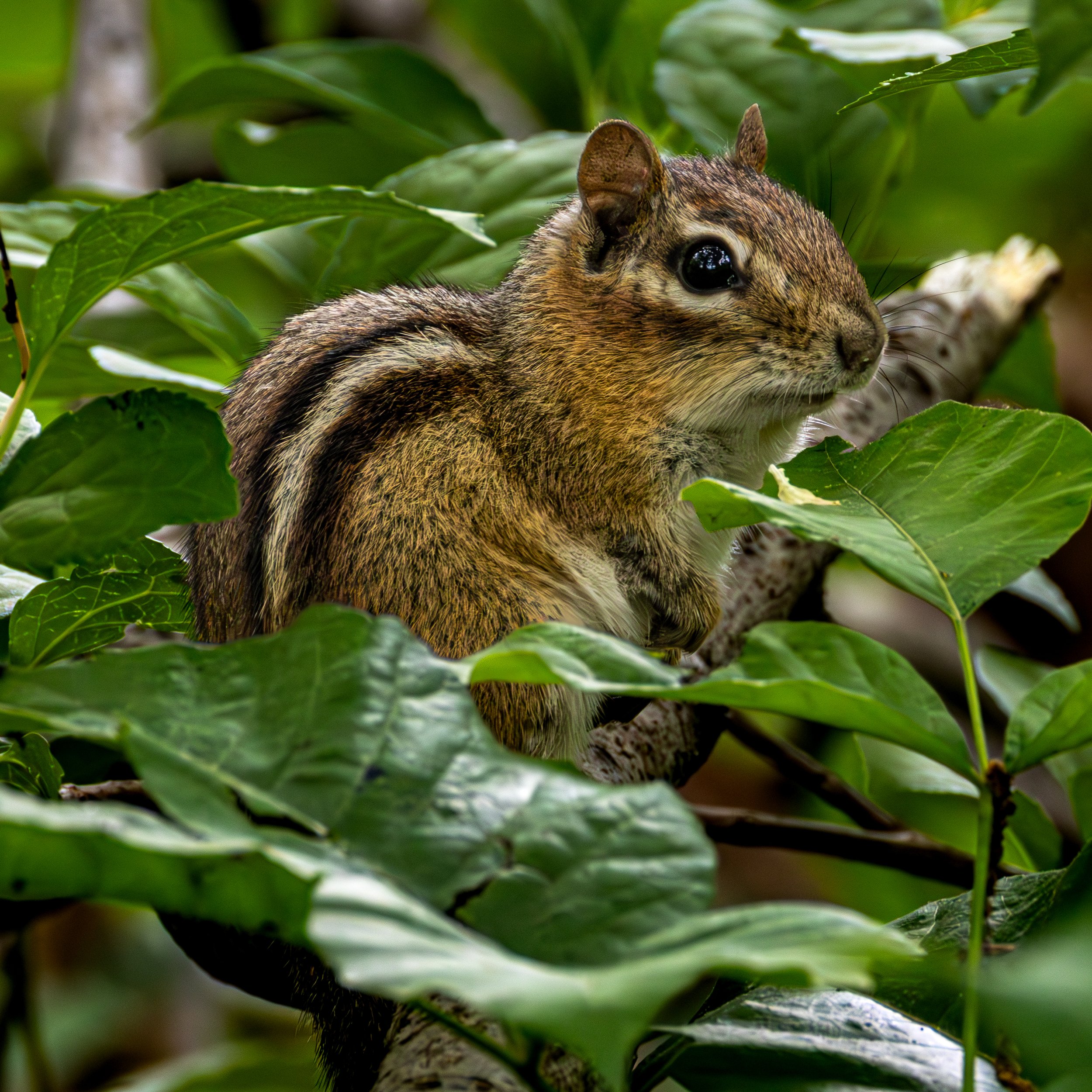
Nearly every predator, from snakes to raptors, will snatch a chipmunk if given the chance, so don’t be surprised if spotting one proves to be a challenge!
Fast Facts
Size: 7-12 inches (18-30cm) long, around the length of a Chef’s knife
Weight: 1-5oz (28-150g) or about the weight of a single-serving pudding cup.
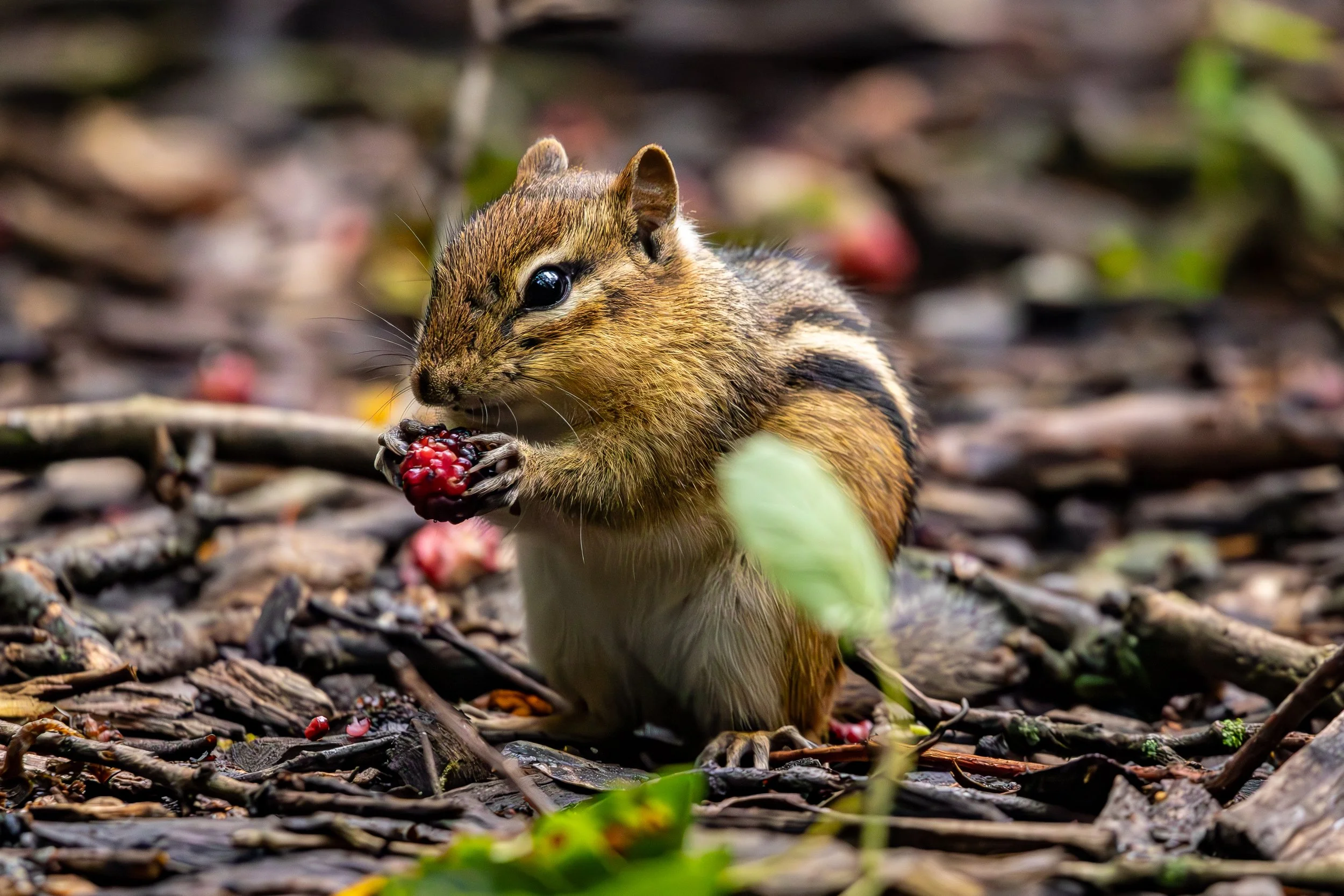
Diet: Predominantly nuts and seeds, but they will gather berries in season and eat the occasional invertebrate.
Behavior: While they are generally conflict averse, Chipmunks will bite or scratch if cornered. Like many small mammals, they rely on alarm calls to dismay predators and signal neighbors of danger!
Hibernation: Like many mammals in the northeast, they don’t truly hibernate— they enter a state of reduced activity called ‘torpor’ where they stay underground and survive off food stores.
Lifespan: Sadly, Chipmunks only live 2-3 years in the wild. Disease and predation cause the majority of early deaths— a captive chimpunk can live 11 years with proper care
Reproduction: Chipmunks have 2 breeding seasons a year, once in the early spring and again in late summer. Gestation only lasts a month, and results in litters of 2-8 punks. Like their cousins the Woodchuck, males do not help raise the young. Not that they need it; young Chipmunks are fully independent at 10 weeks old!
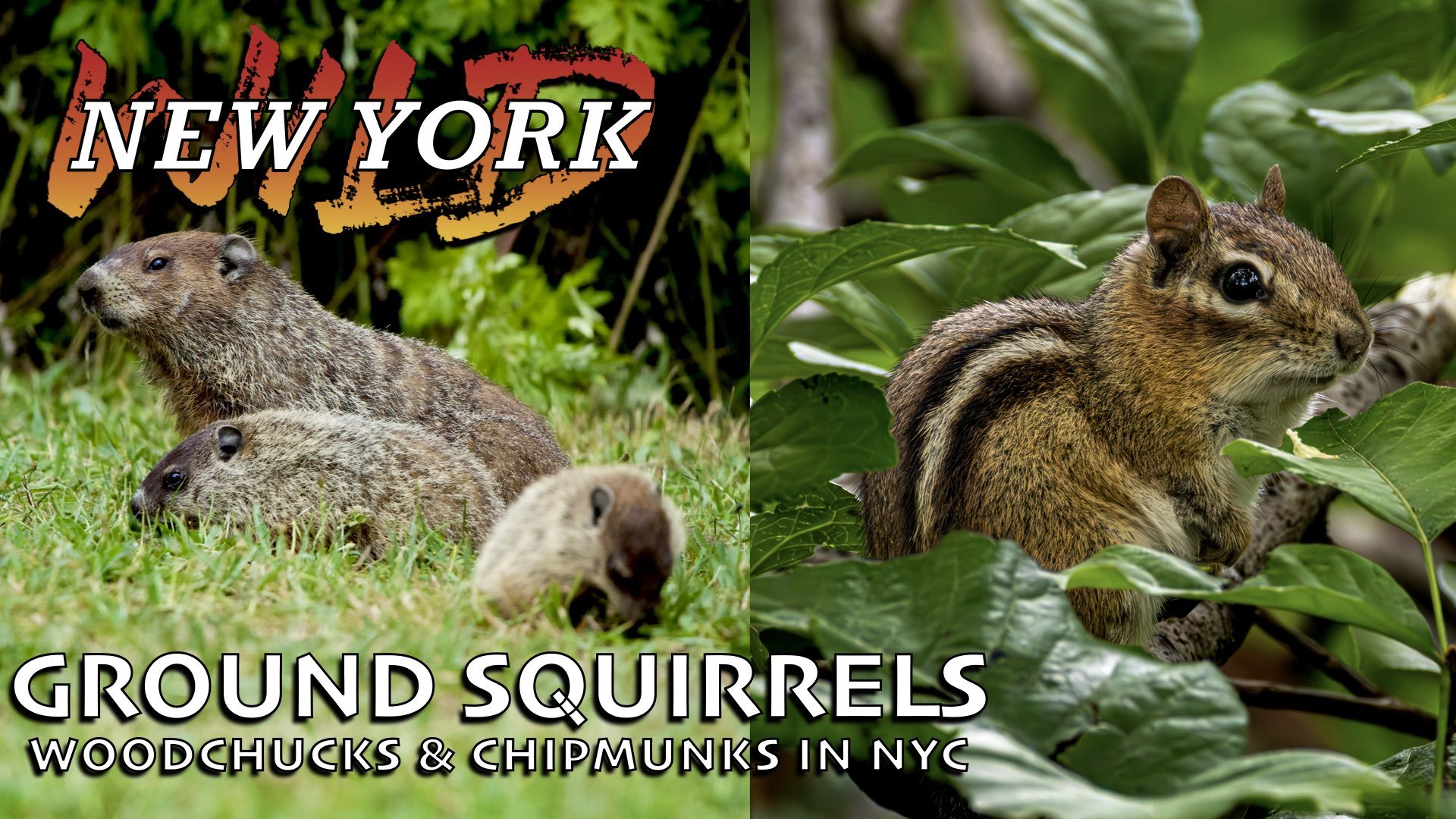
Watch Our Episode!
Tape the image below to learn more about Ground Squirrels!