
Gotham’s Junior Wolves
Eastern Coyote
Canis Latrans
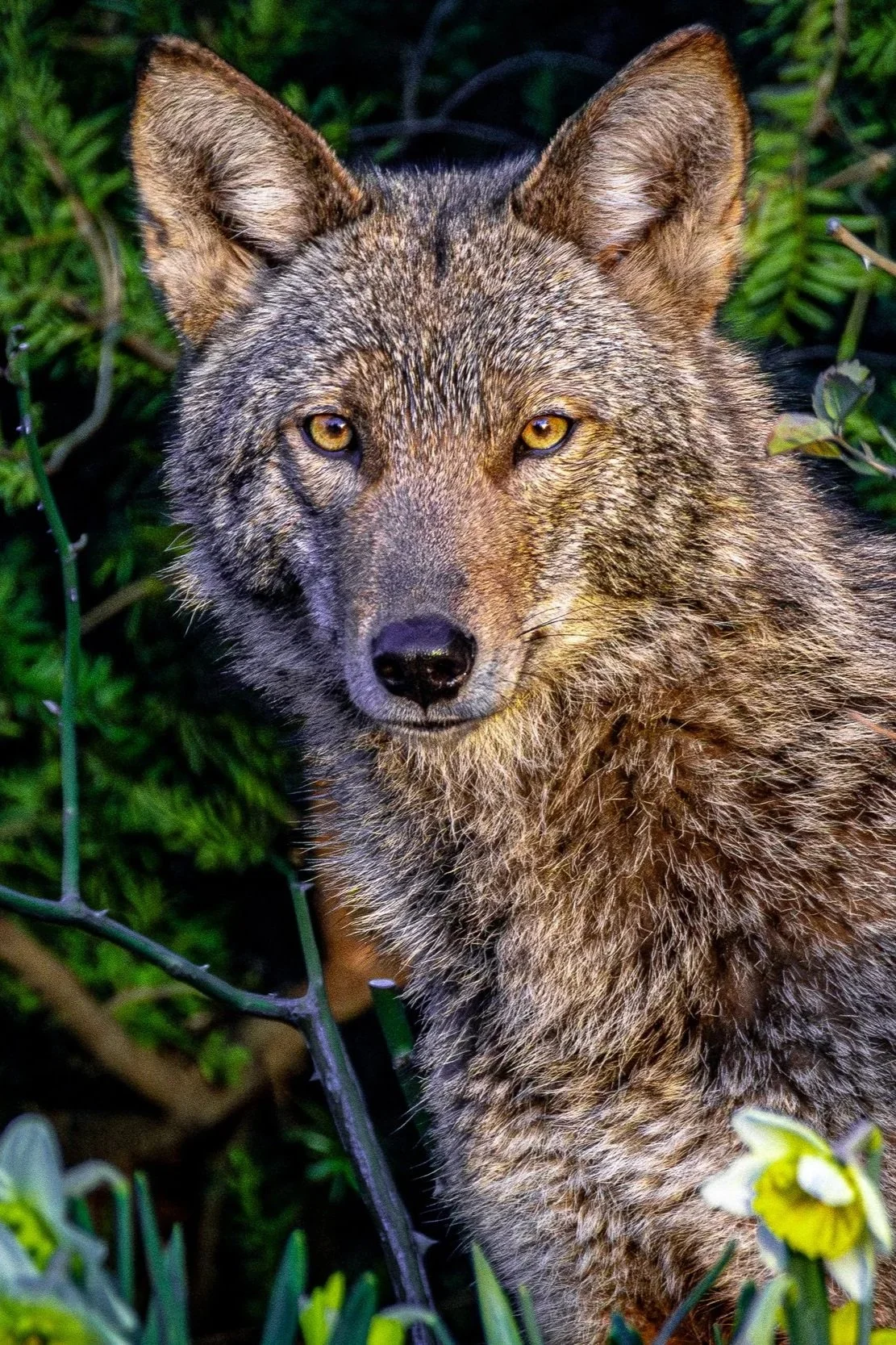
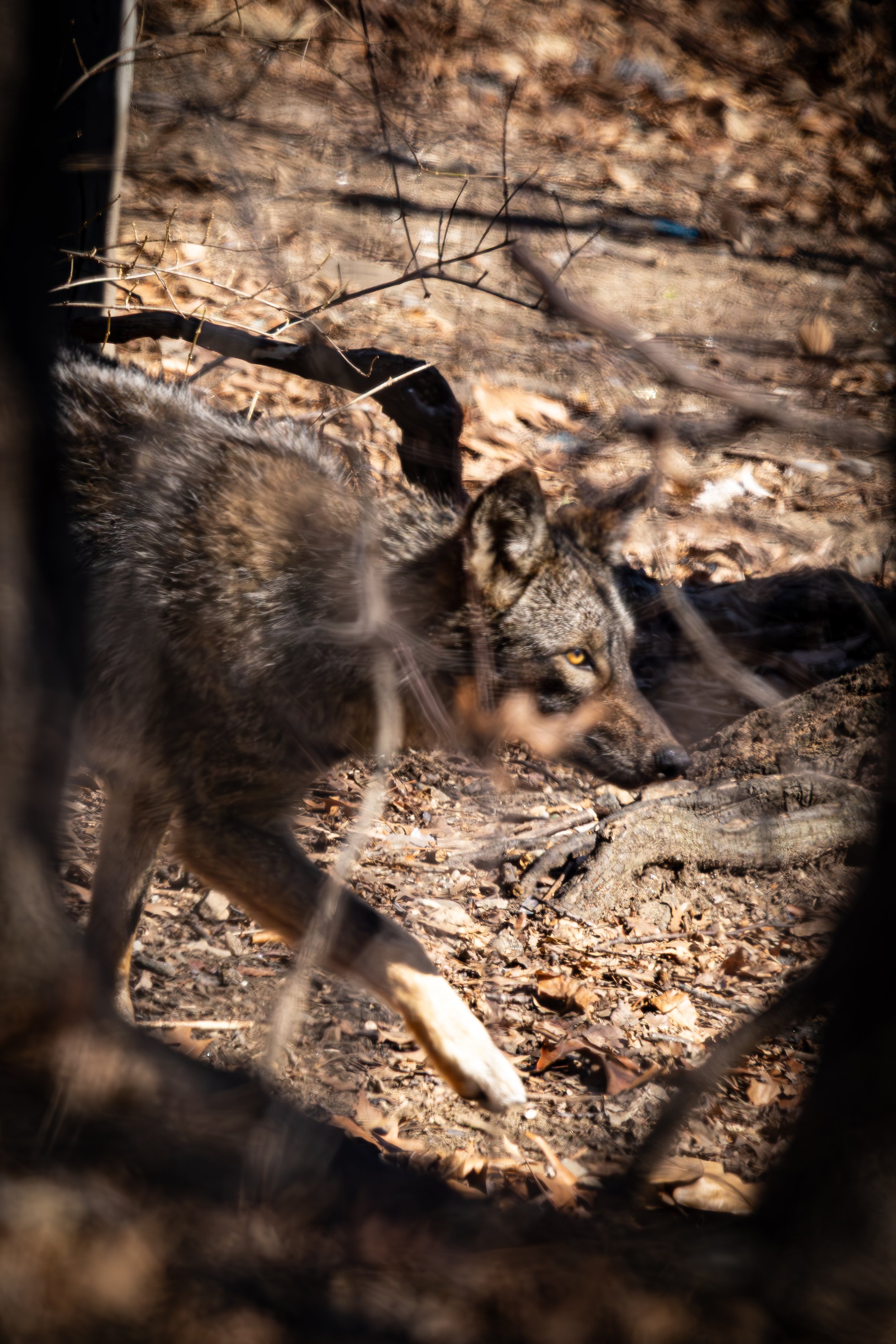
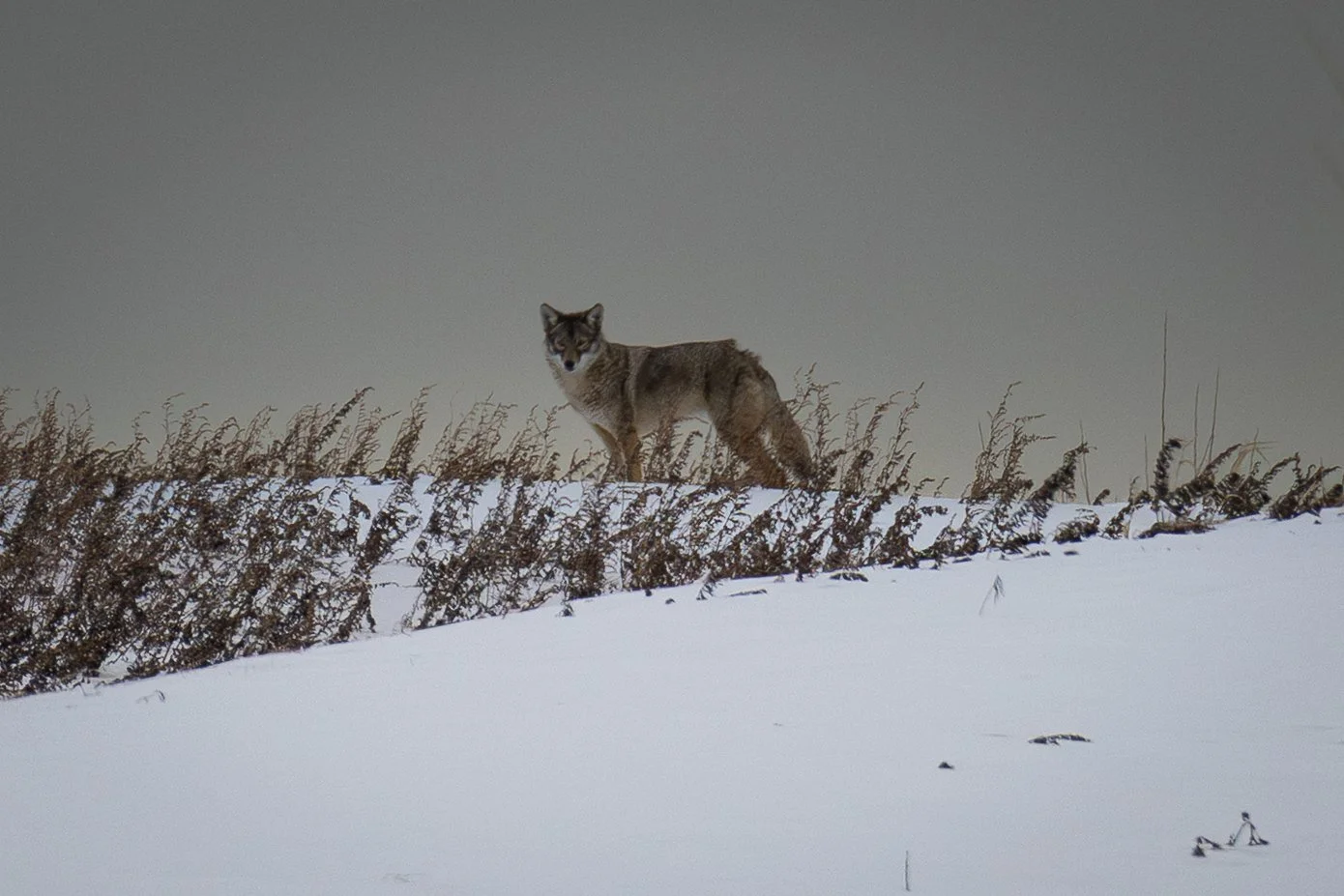
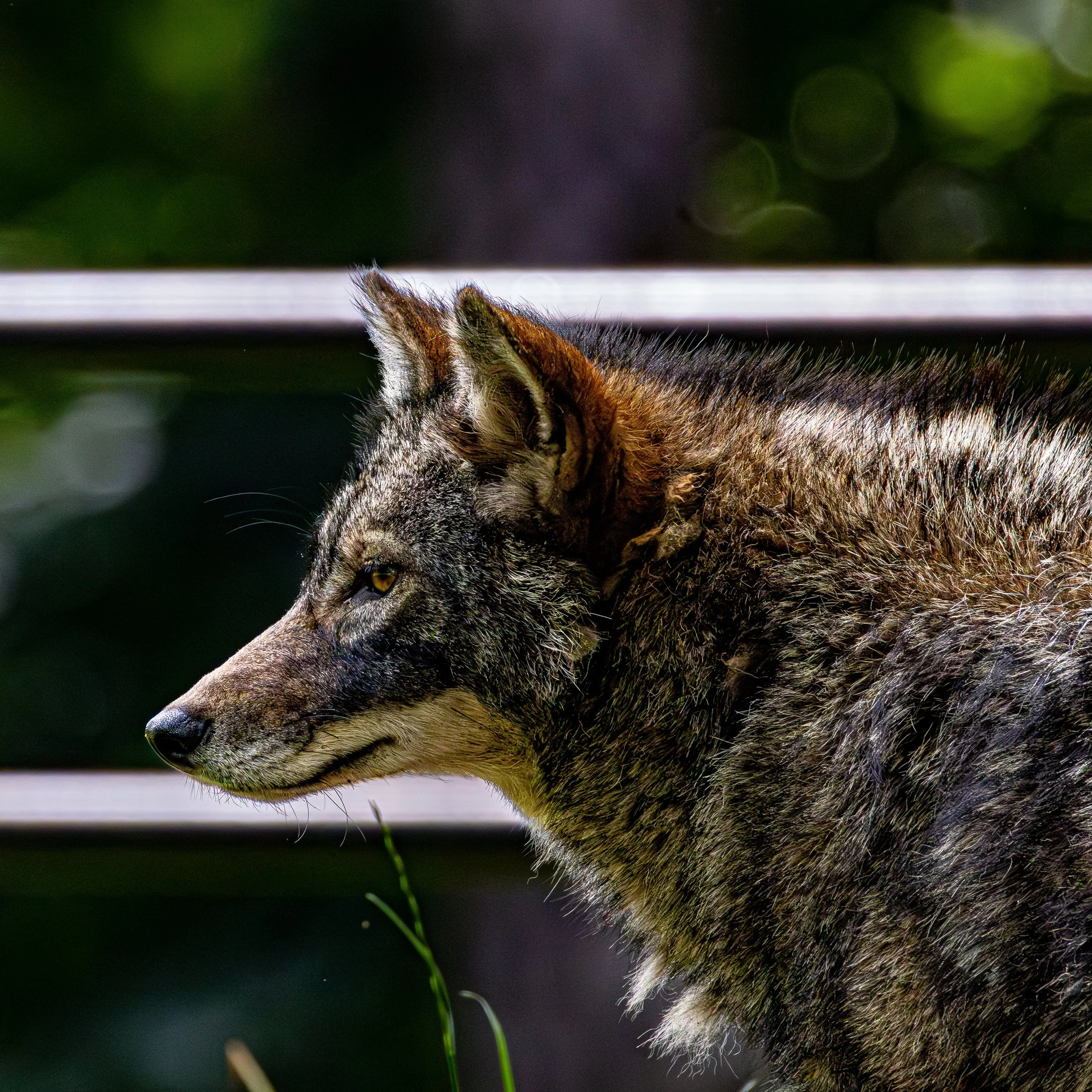
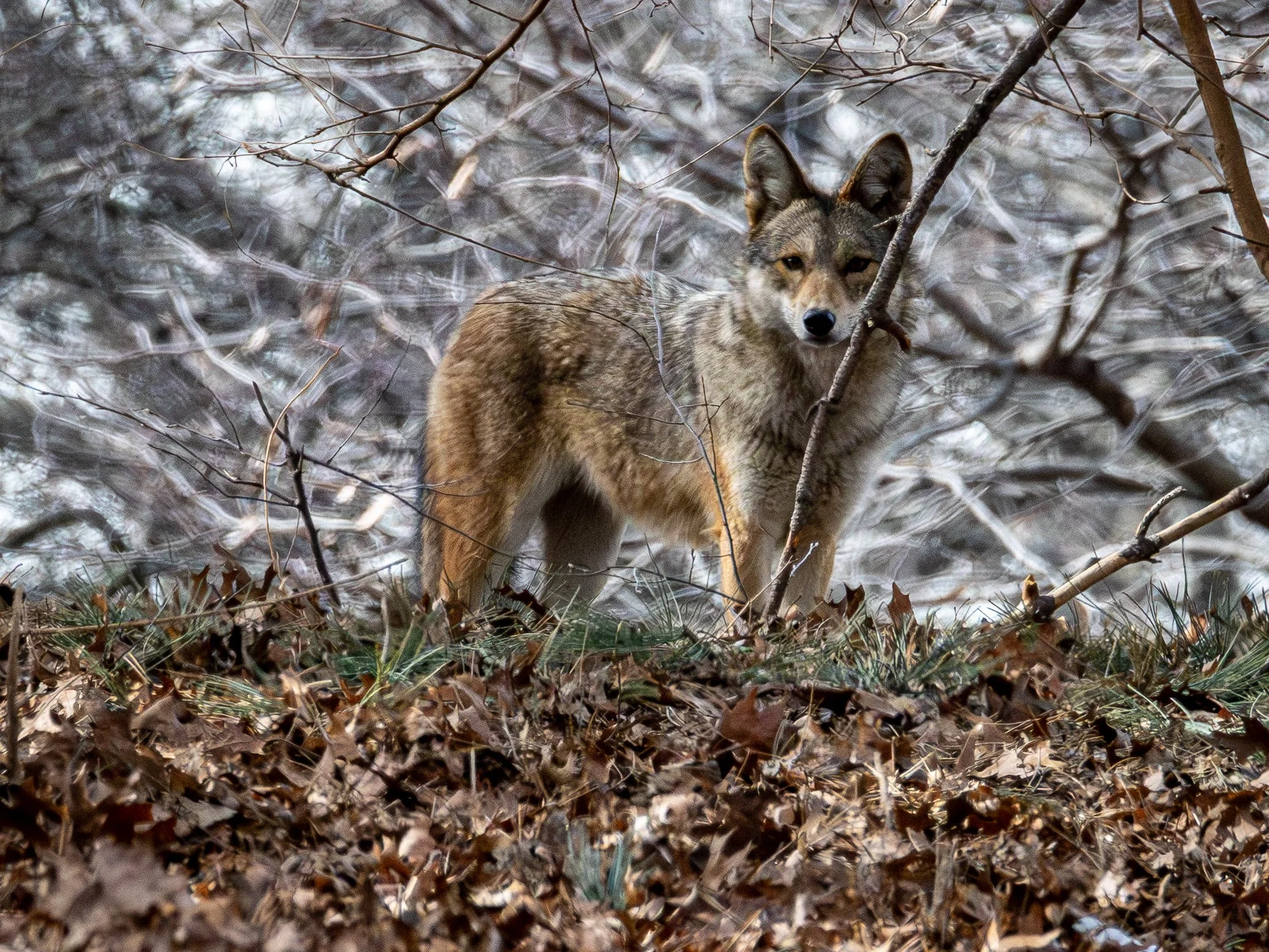
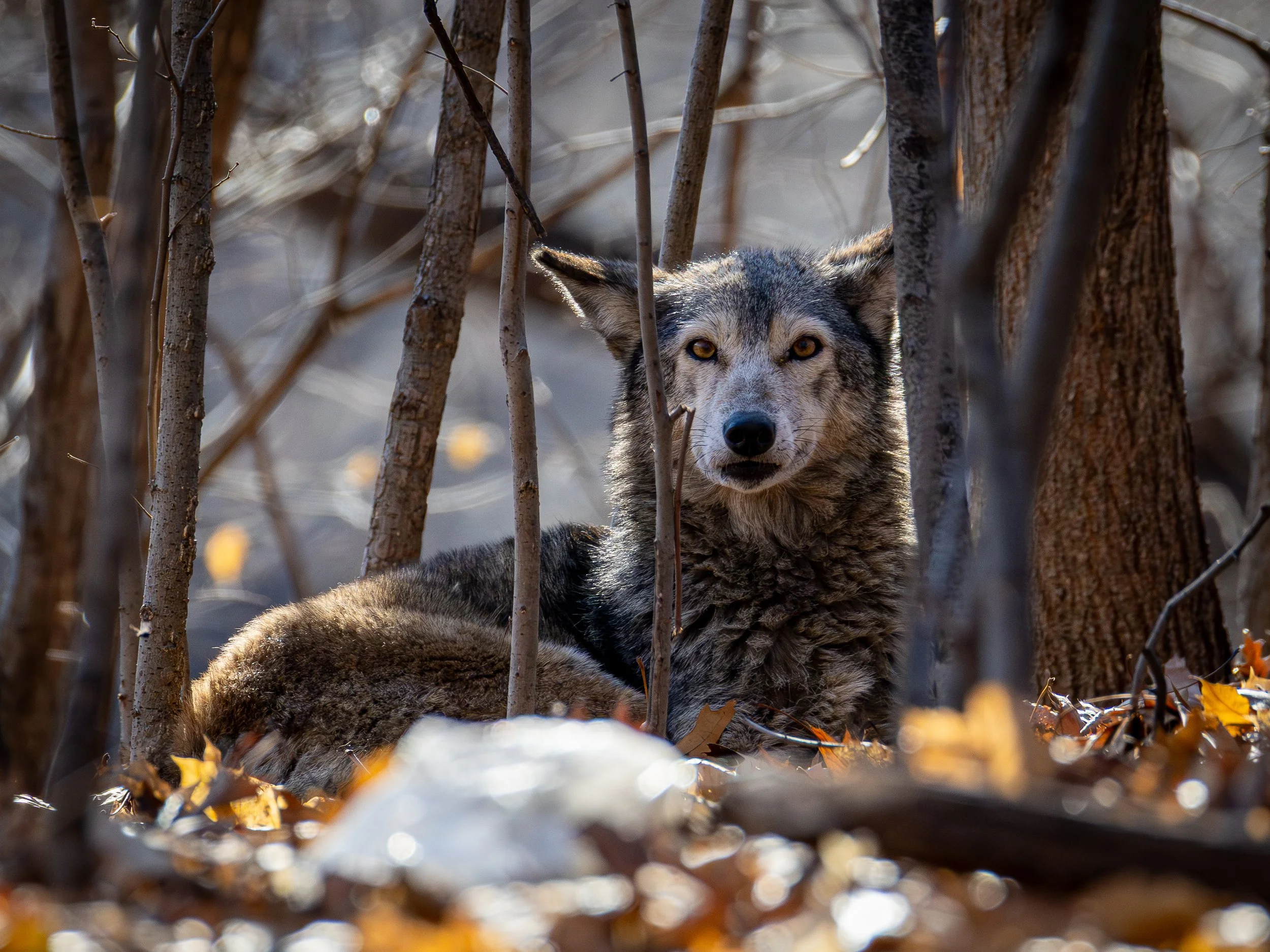
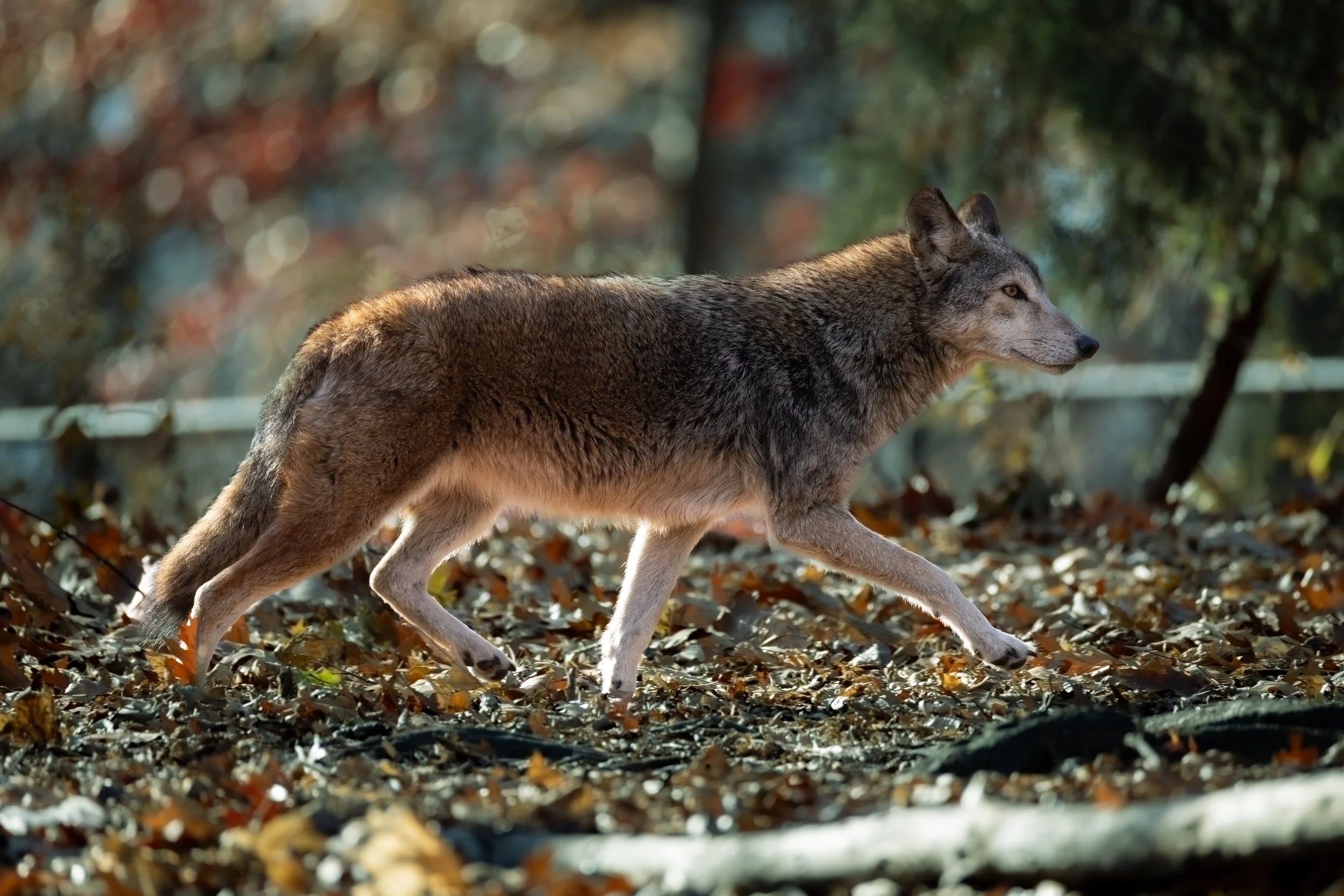
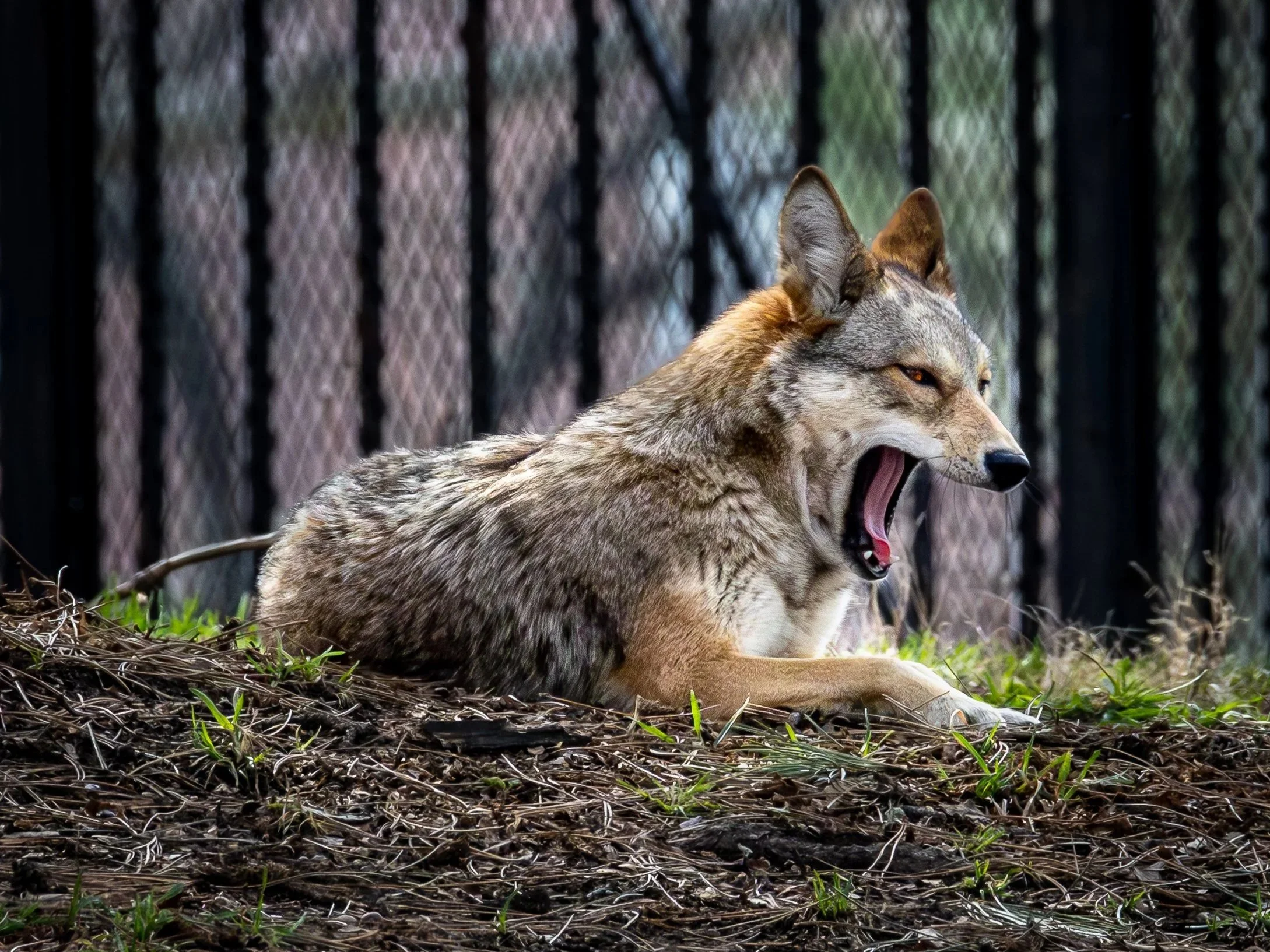
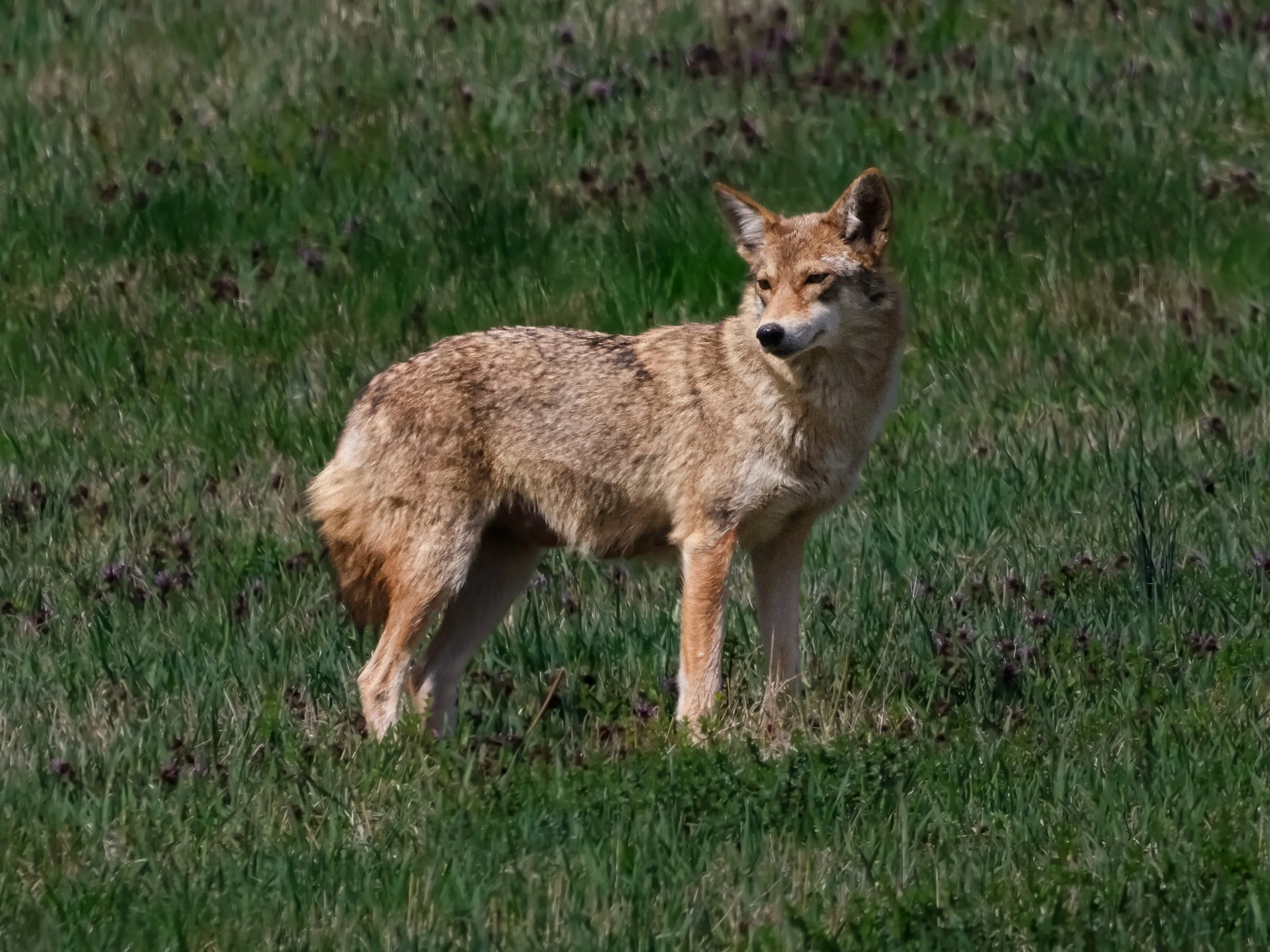
Just what exactly coyotes are has been a mystery since Meriwether Lewis and William Clark described a smaller “prairie wolf” running around the Great Plains and the American Southwest at the dawn of the 19th century. They resemble the Jackals of the Old World and the Dholes of Asia, as well as the Red Wolves of the American Southeast. Now that they’ve migrated East, Coyotes have interbred with both wolves and domestic dogs to produce the large canids we see throughout New England.
In many ways, New York represents the last stop on the Coyote’s quest to reverse-colonize the United States. Following our extirpation of the large predatory mammals across much of the lower 48, Coyotes happily filled the gap. After evolving the in the shadow of the Grizzly Bear and the Grey Wolf, Coyotes have found themselves right at home amongst our rapidly urbanizing landscapes.
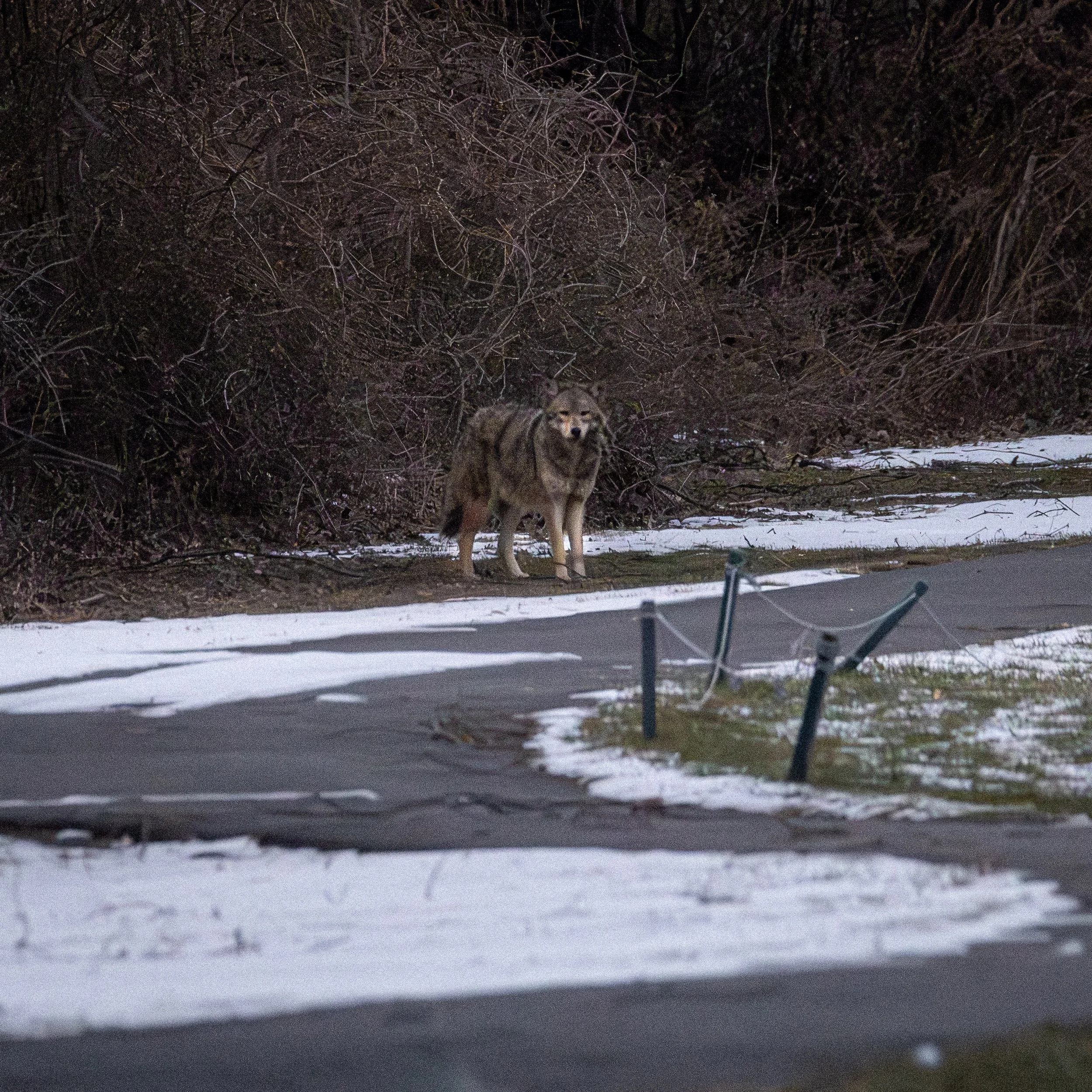
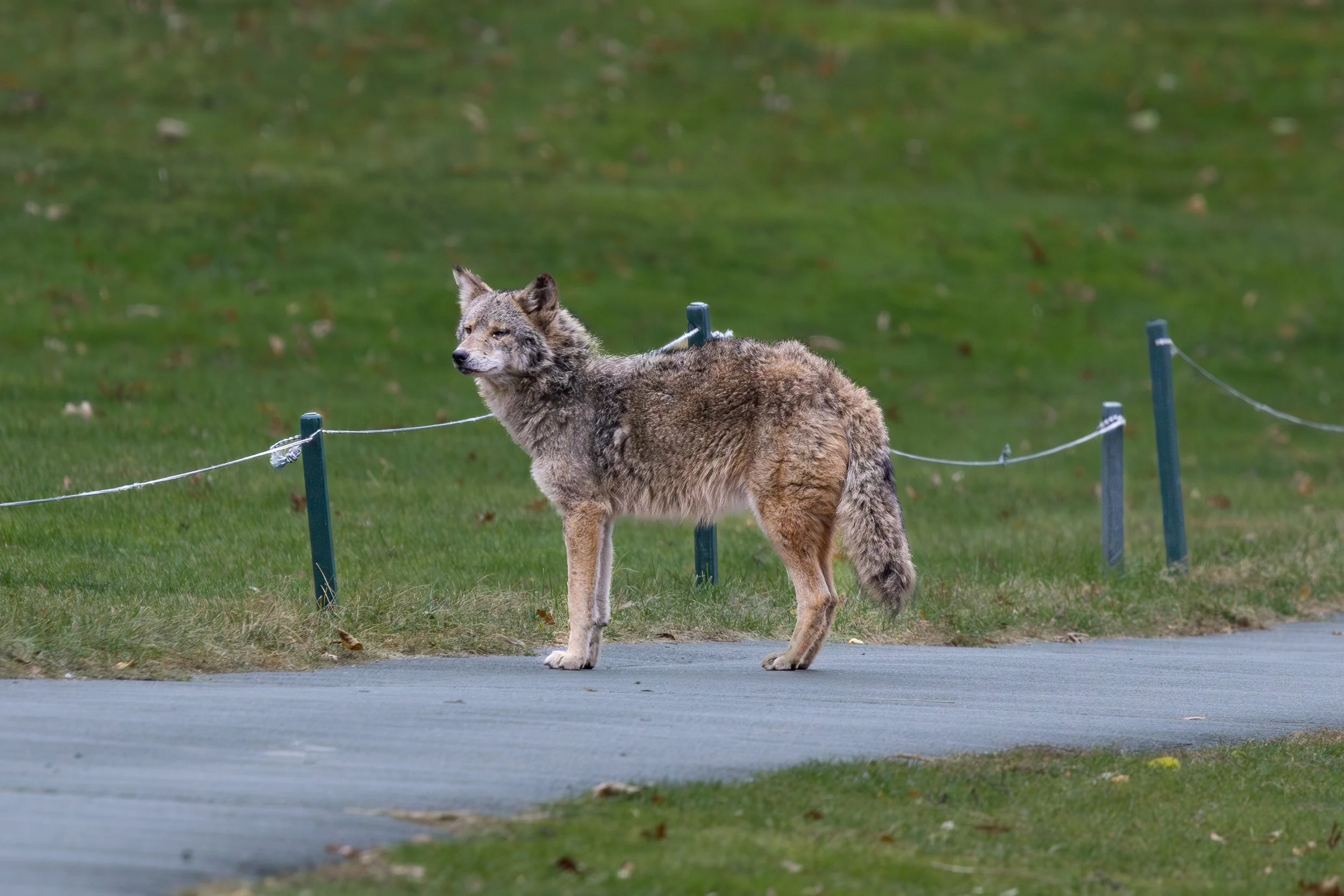
The first documented Coyote in New York City walked into the Bronx around 1996, the year when it was hit by a car on the Major Deegan expressway. They’ve been slowly gaining ground ever since, colonizing Manhattan, Queens, and Long Island. Between their adaptive diets, remarkable intelligence, and hearty genes, they’re the latest large mammal make the city their home.
And they’re nothing to fear! Coyotes have a natural wariness around humans— so make sure you keep that fear healthy by never feeding them and hazing when necessary!
Best Places to see them
Central Park -Alley Pond - Van Cortlandt Park -
Claremont Park- Inwood Hill Park-Pelham Bay Park
Where did they come from?
And what do they want with our city?
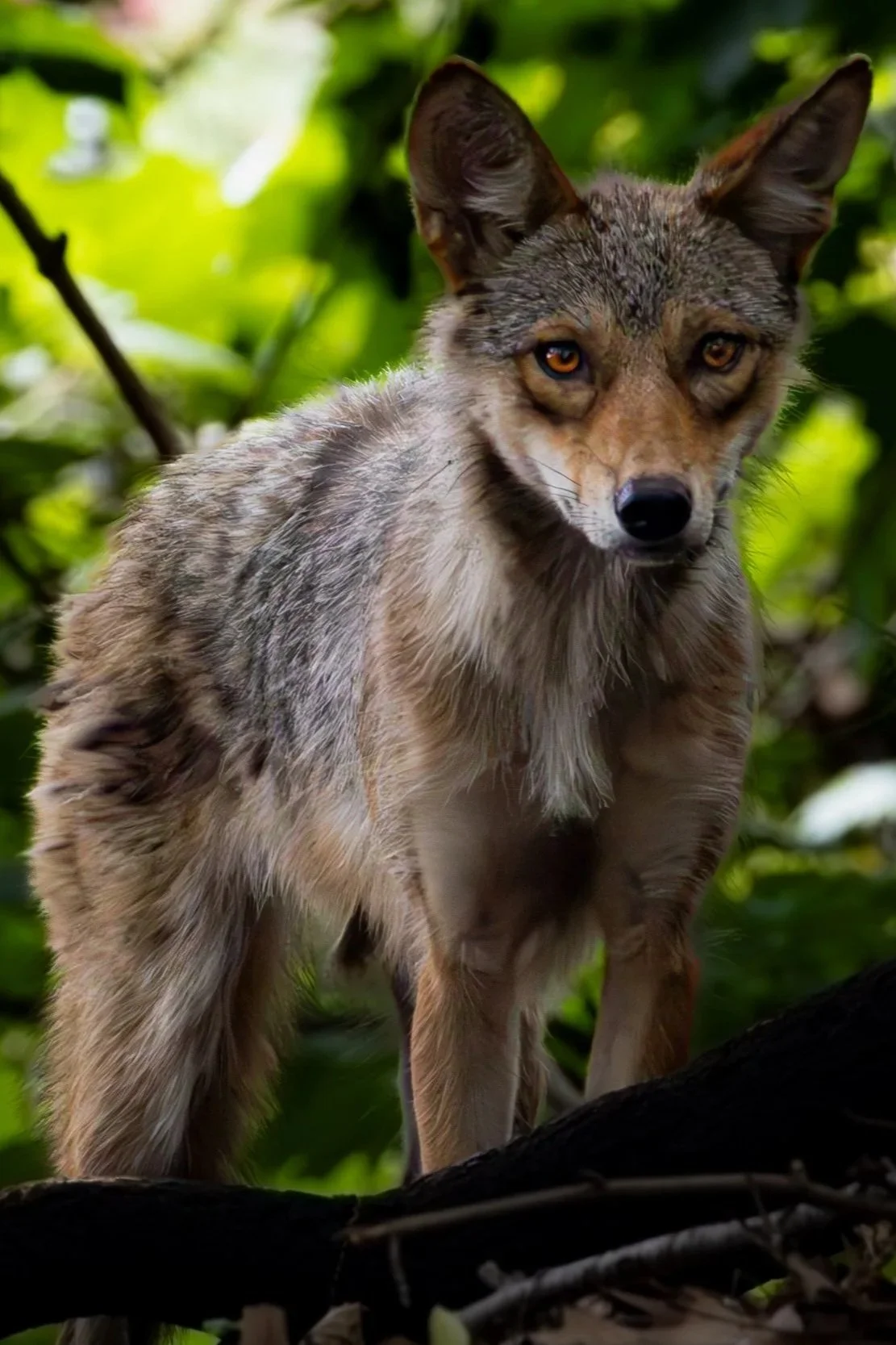
Evidence exists that humans and coyotes have coexisted since the first North American Metropolis arose: Tenochtitlan on the site of modern-day Mexico City. But it wasn’t until the great War on Predators extirpated the Grey Wolf from it’s historic range that Coyotes embarked on their reverse colonization of the United States.
For much of America’s history, coyotes were comfortable in the Great Plains and American Southwest., stretching northward into Canada and south towards central Mexico. In the 30s and 40s, they slunk into the empty ecological niches left behind by the Red and Grey wolves from the Great Lakes to Florida. They first walked onto the scene (verifiably, at least) in New York City around 1995, when the corpse of a coyote was found along the Major Deegan Expressway in the Bronx.
Unfortunately, fates like their first are all too common in the five boroughs. Upstate, Coyotes hunts are legal From October 1st to March 29th with a standard hunting permit, and there are no bag limits. ‘Problem Coyotes’ that cause property damage or livestock injury may be killed at any time. Inside New York City, coyotes are killed in traffic collisions, by poisoned rodent bait, or infections caused by mange with shocking regularity. Nevertheless, these tenacious canids continue to do more than survive— they’re thriving here.
Opportunistic omnivores, Coyotes will eat everything from small mammals and carrion to invertebrates and berries. They’re well adapted to slipping out of site when danger presents itself—and that includes people! Although our Eastern variants are larger than their western cousins, Coyotes are naturally wary of humans. If you encounter one, a loud sound and sudden movements are usually more than enough to send them back in the undergrowth.
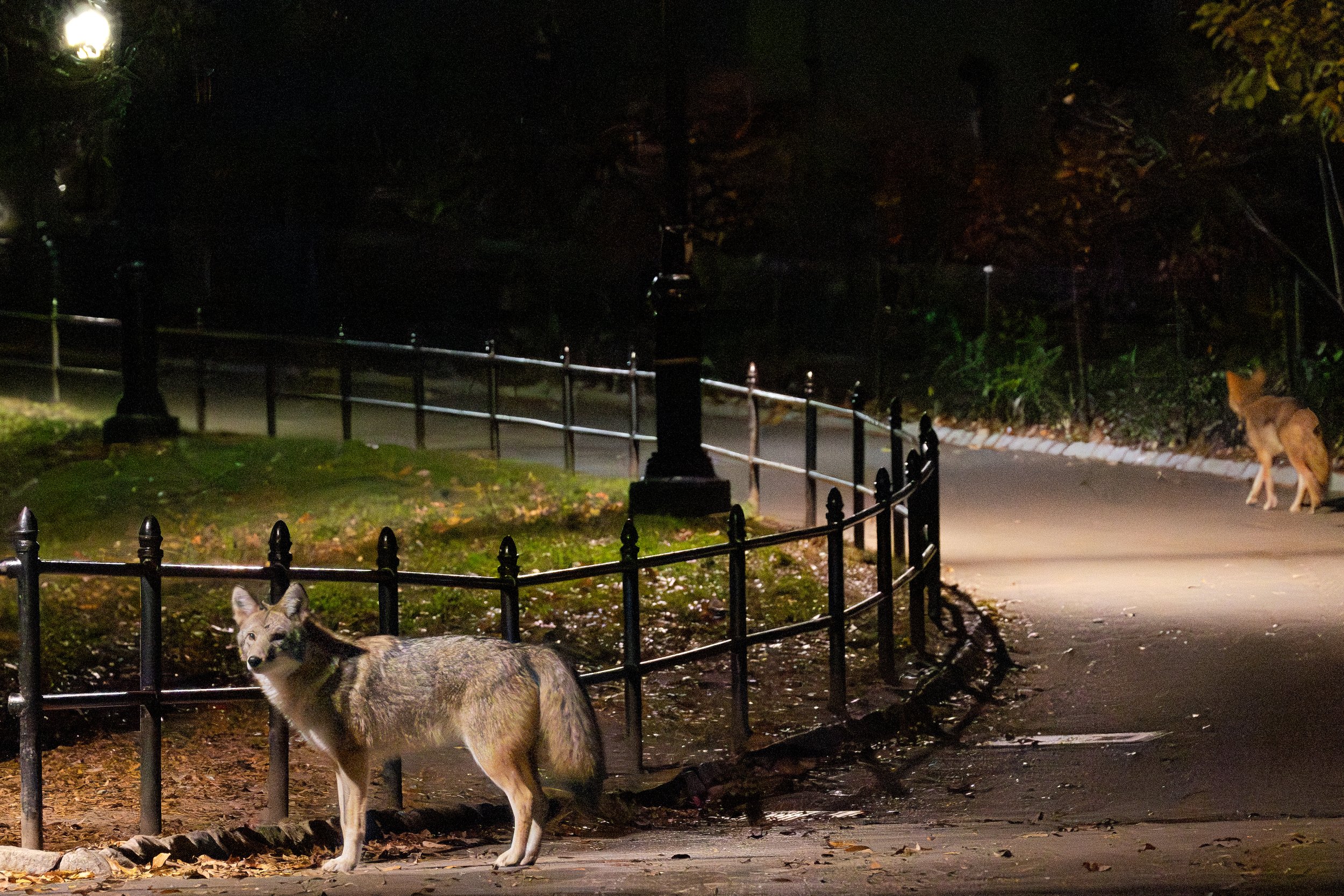
Fast Facts
Size: 4-5 Feet (1.2-1.5m) long from Snout to Tail, around the length of a typical folding table.
Weight: 35-45lbs (16-21Kg) or roughly the weight of a full 5 gallon bucket of water.
Diet: Opportunistic Omnivores, they will eat just about anything. In New York City, they eat a lot of human trash, as well as various rodents. They will also feed on Canada Geese, White-tail Fawns, Carrion, and Berries.
Behavior: Coyotes evolved as a mesopredator, so they’re used to being deferential to larger carnivores and herbivores. Though generally shy, they can be curious— especially when younger!
Lifespan: In the wild, most Coyotes live 3-8 years, but in the right environment or in captivity, they grow as old as 18! Their #1 cause of death nationwide is human activity, from car collisions to trapping and poisoning.
Reproduction: Coyotes tend towards monogamy, and will stay in a pair as long as they have reproduction success. Mating typically occurs in late winter and early spring, with whelping occuring in late April or Early May.
Early Life: Coyotes generally stay together for their first 1-2 years of life, giving these oft solitary creatures the illusions of a “pack”. Family groups are remarkably tolerant towards one another. Dispersal can occur during a coyote’s first fall, but a Coyote can wander off (or be kicked out) at any time, especially when food supplies are low.