
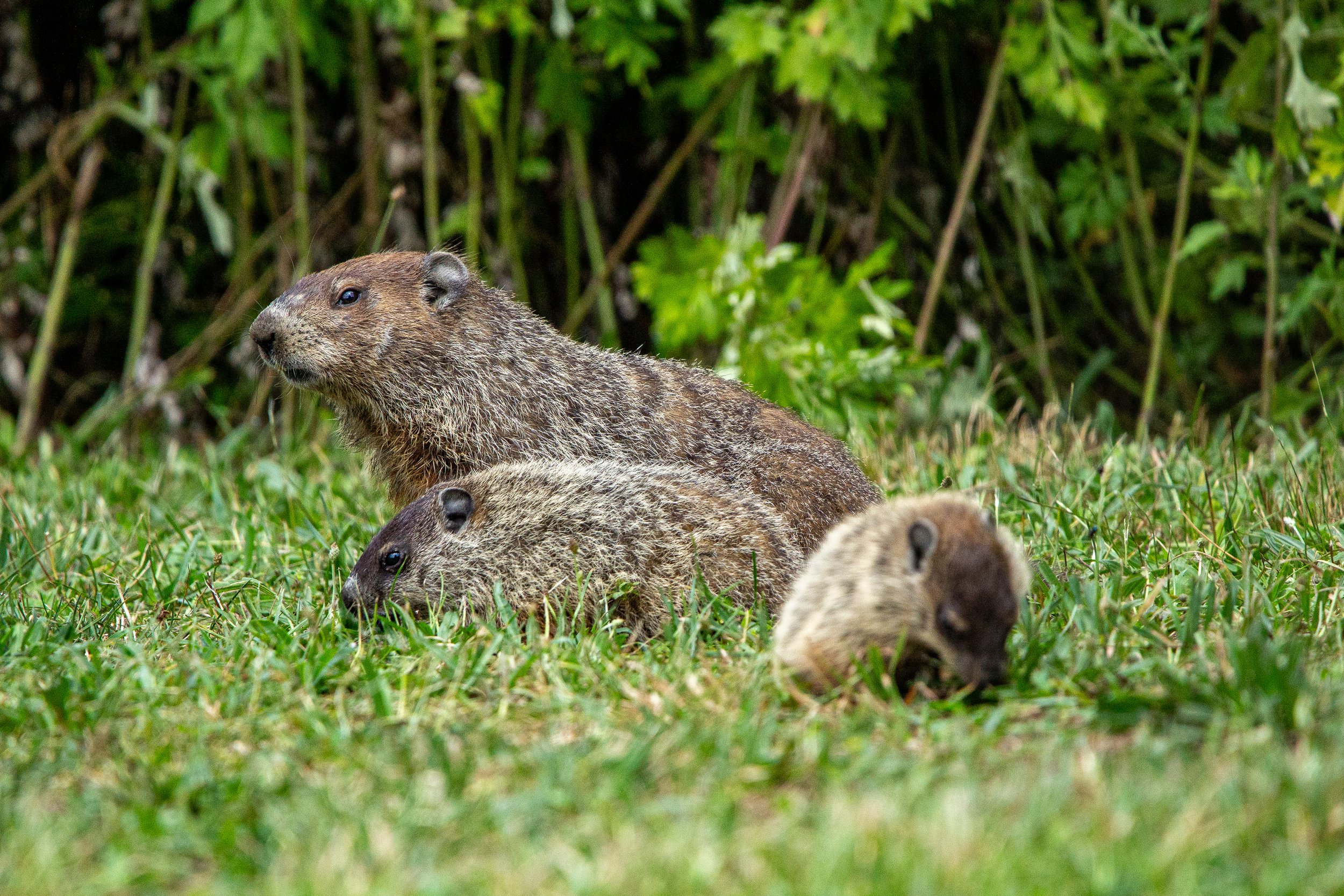
Heckin’ chonkers of the concete Jungle
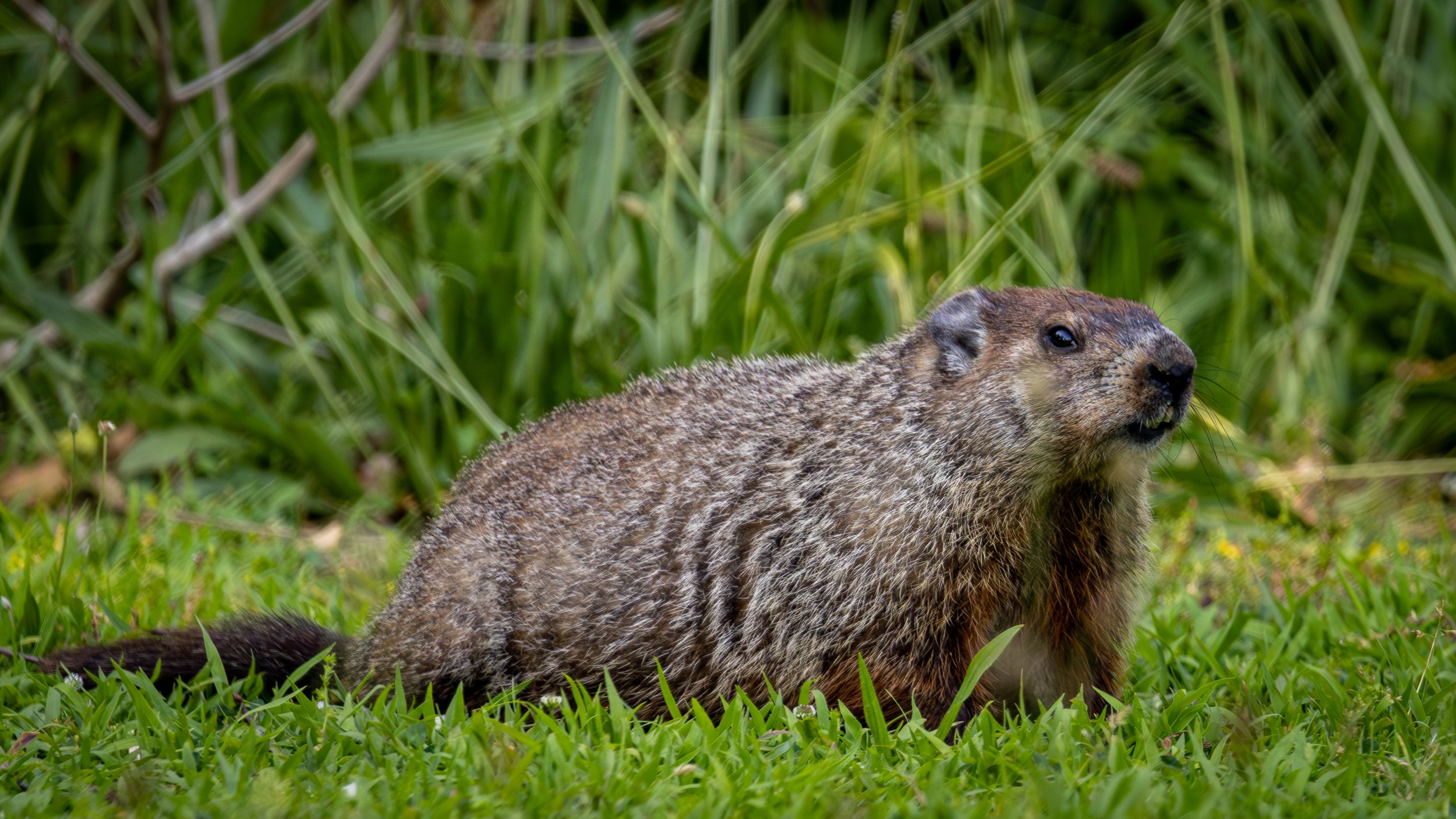
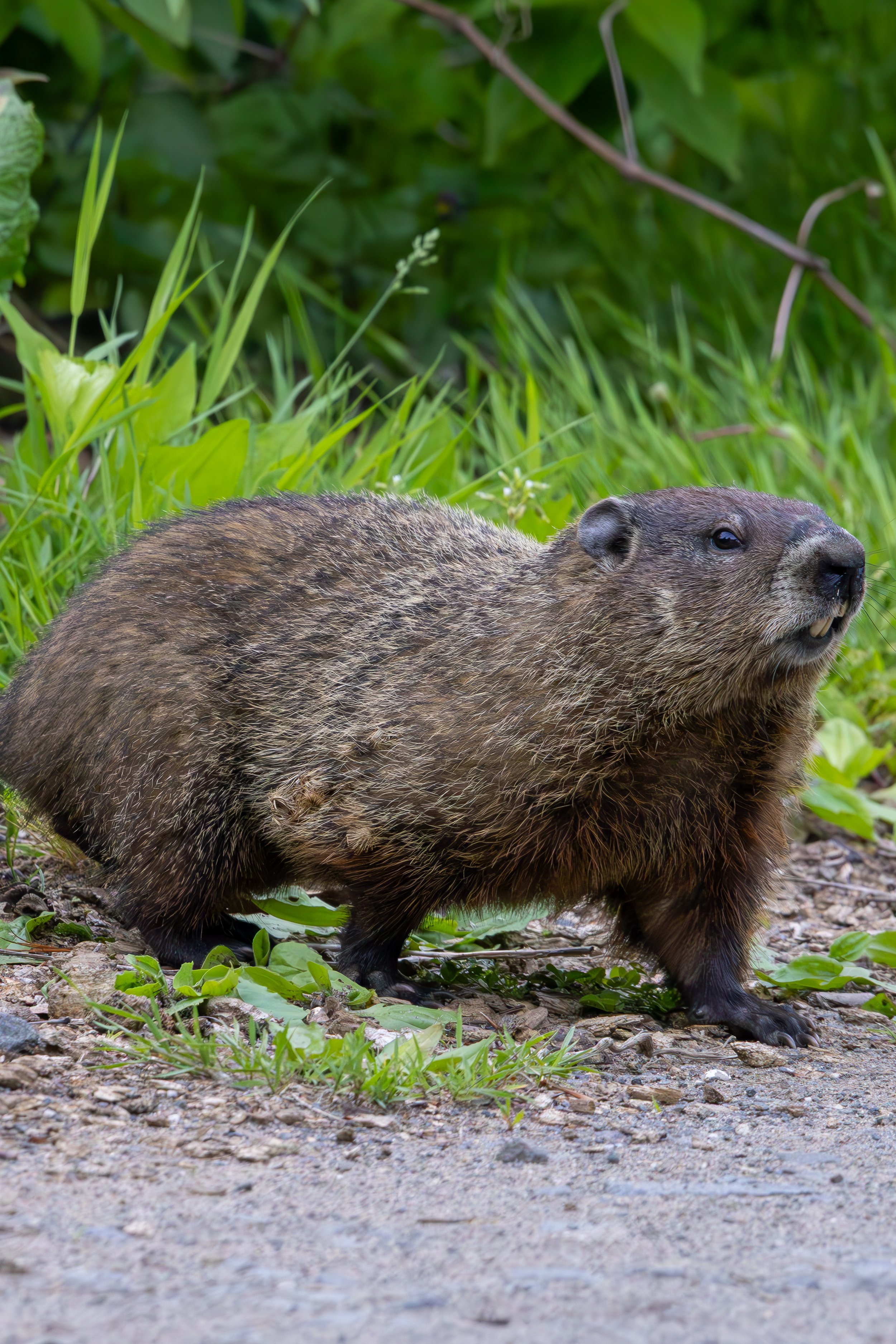
Woodchuck
Marmota Monax
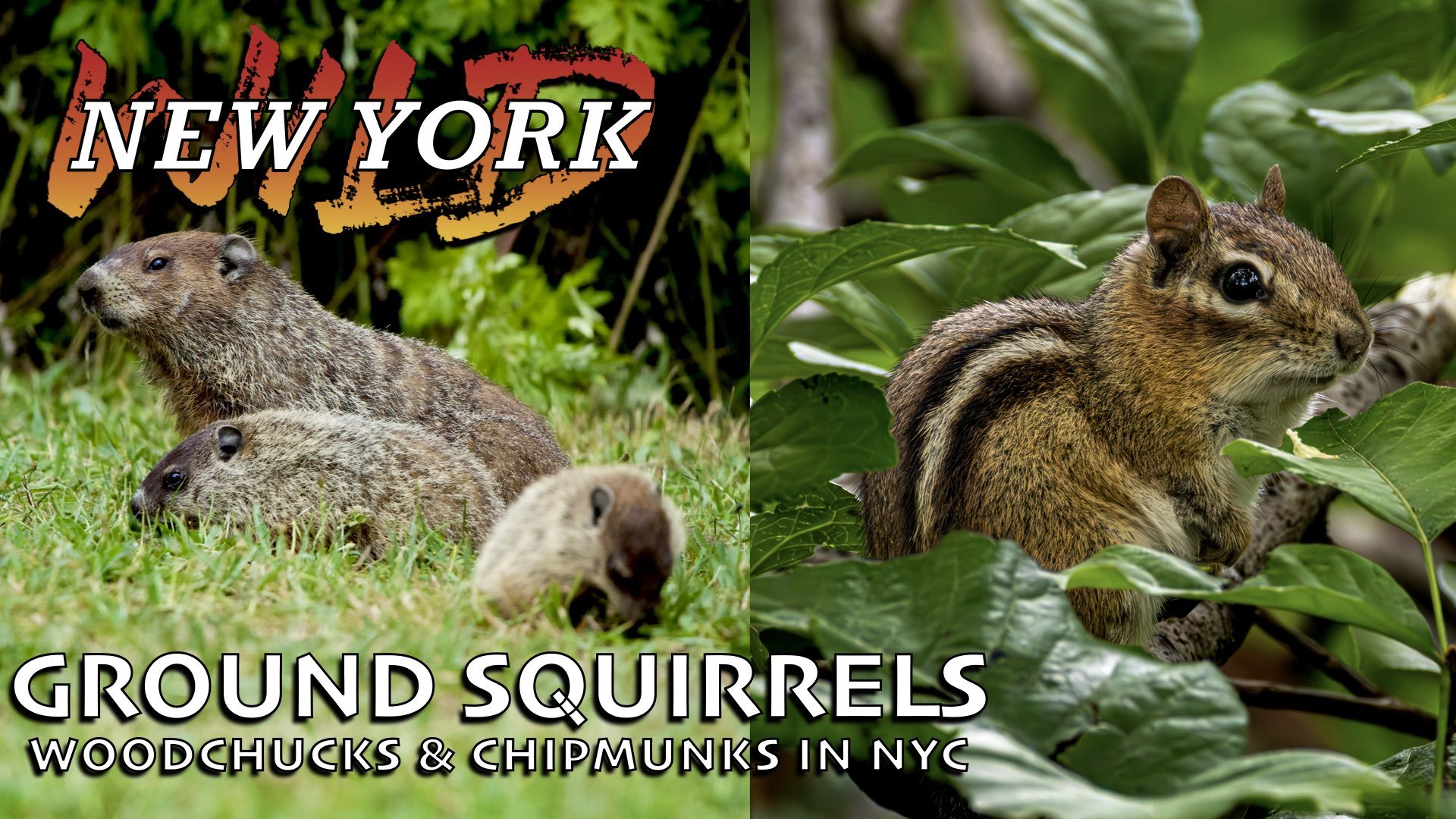
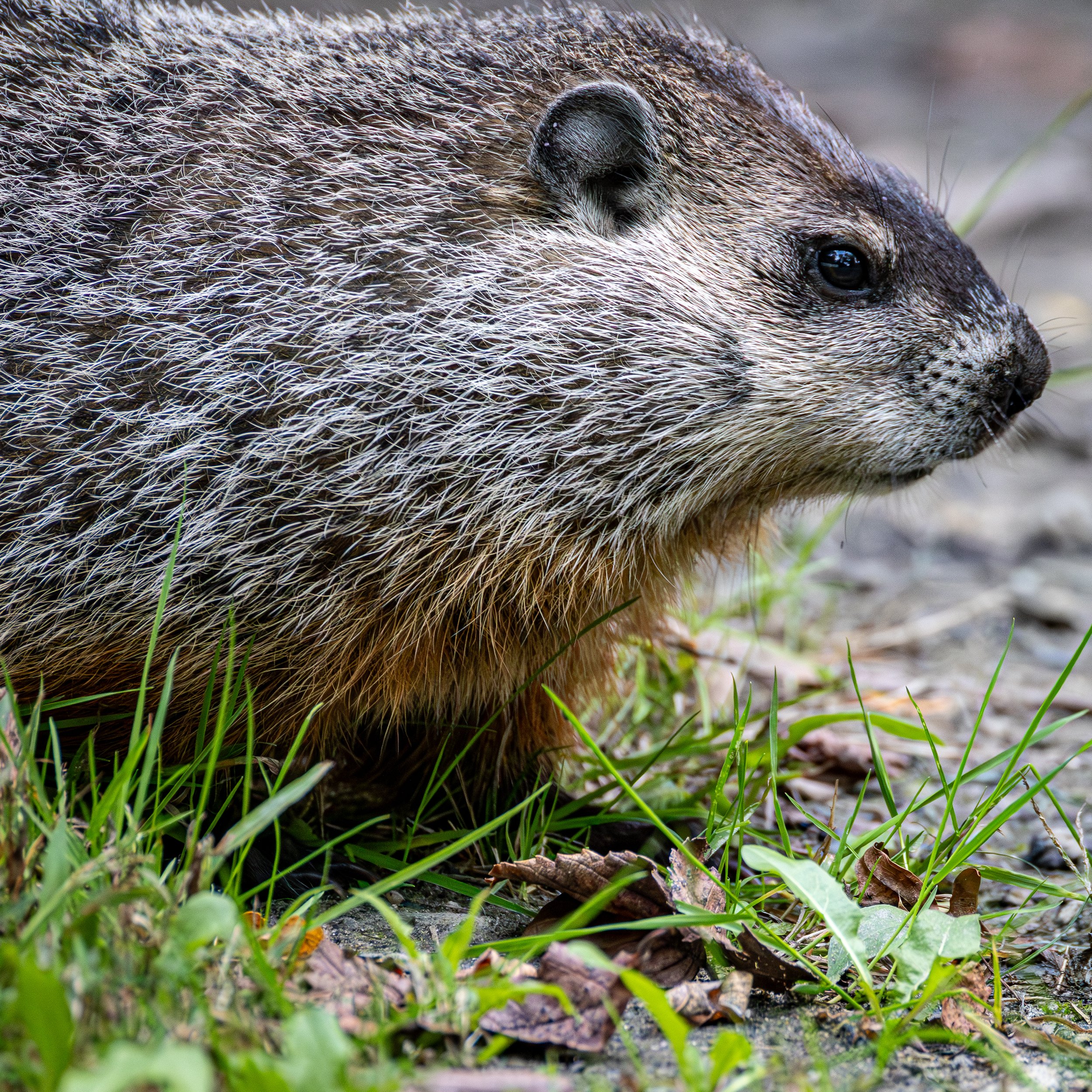
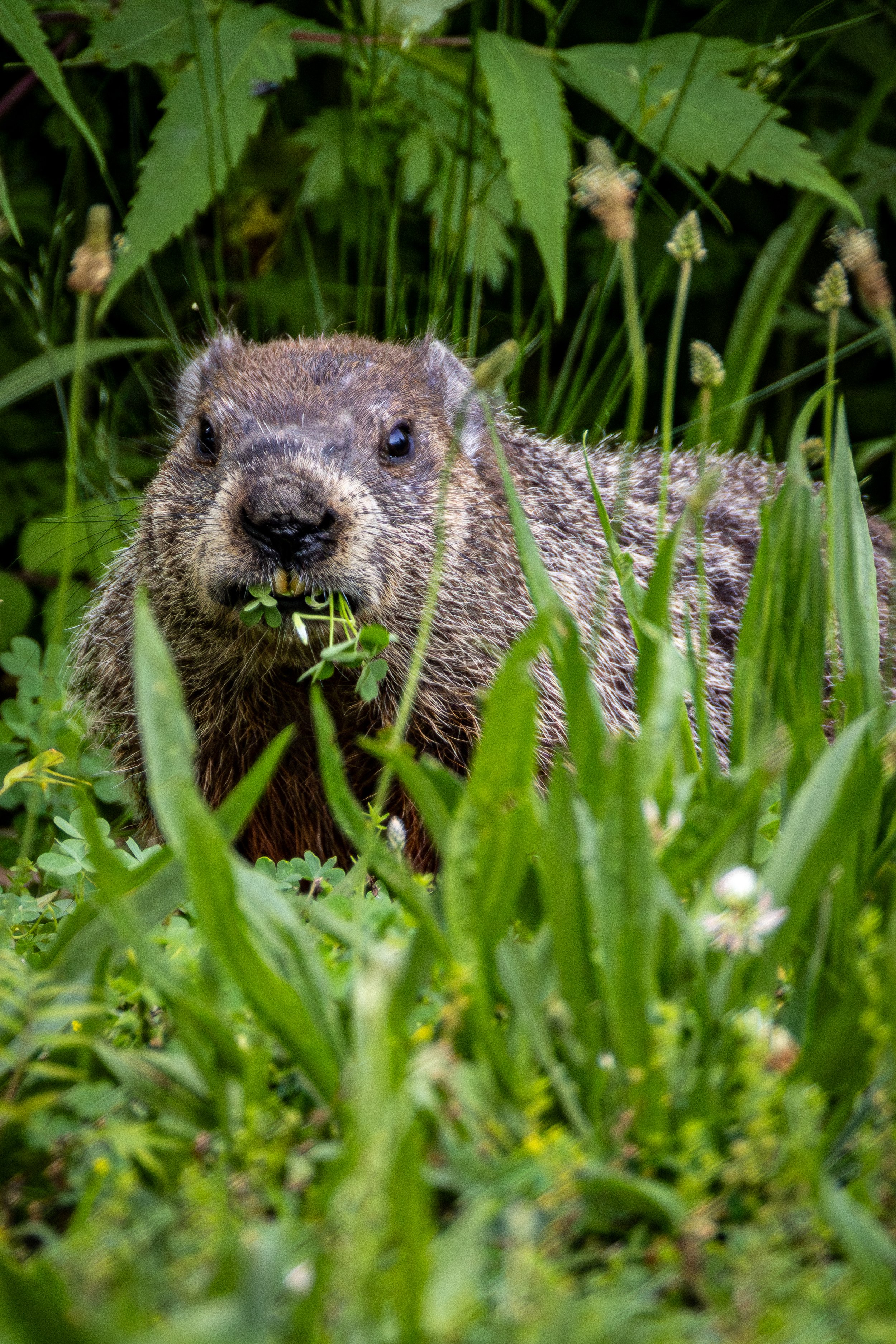
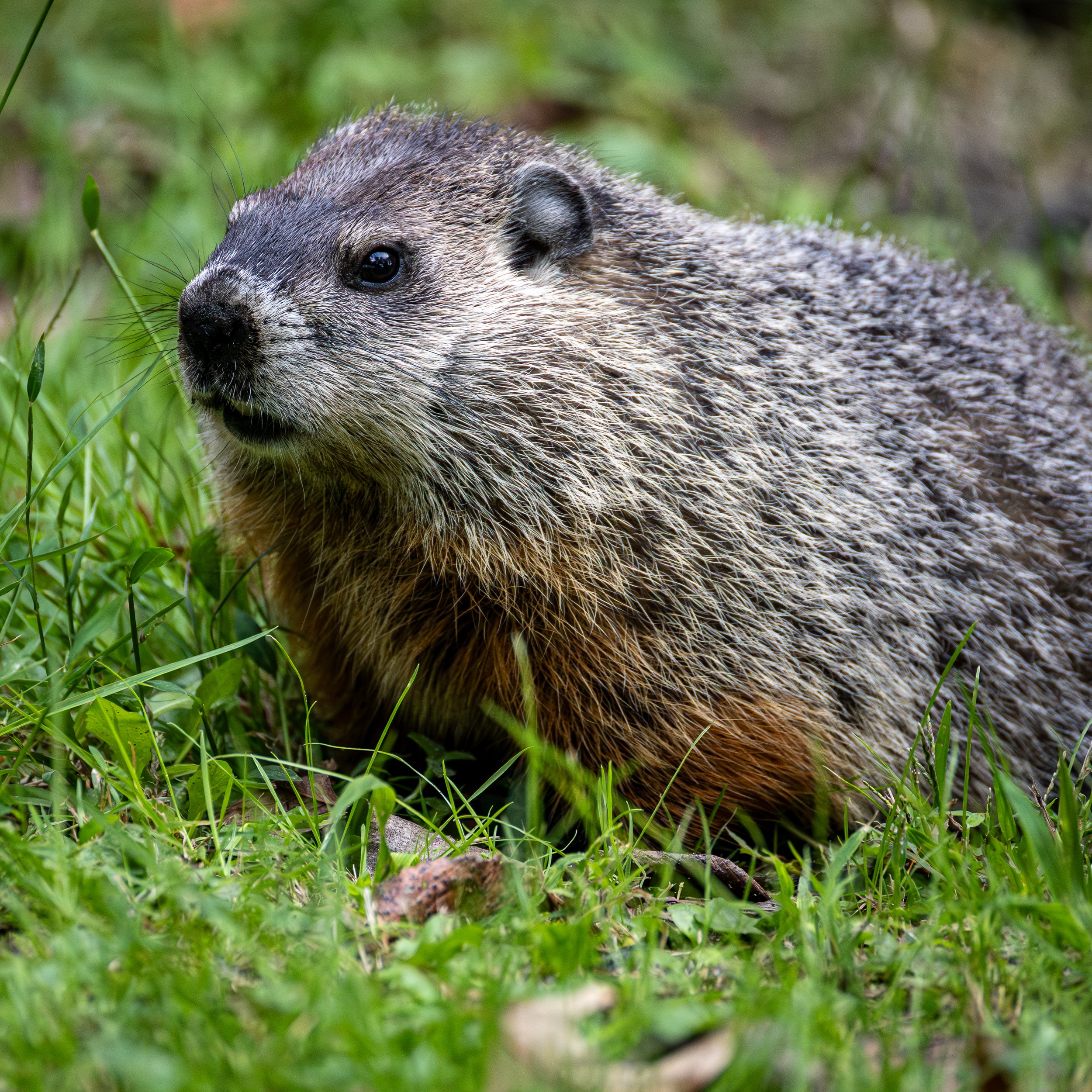
Groundhog, Woodchuck, Whistlepig, Land Beaver… these ground squirrels go by many names. Members of the Marmot family, Woodchucks have the distinction of being the only lowland species in their genus as well as being the most solitary. Even in fractured ecosystems like those found in New York City, they’re important habitat engineers.
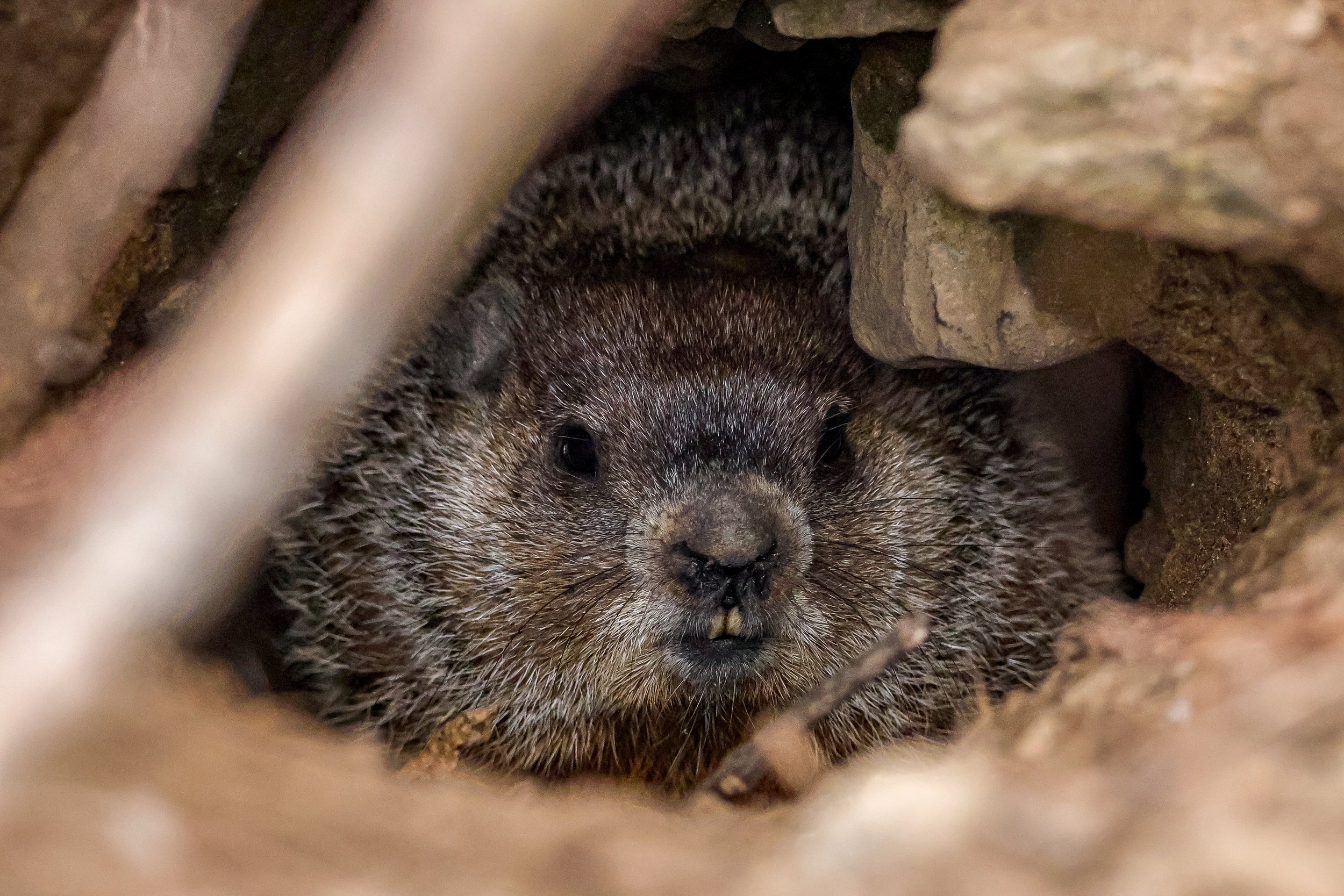
That doesn’t mean there aren’t challenges to living alongside them. Groundhog burrows can create dangerous conditions in parks, undermine building foundations, and damage other infrastructure. Nevertheless, the pros outweigh the cons for these supreme sciuridae. Ecological importance aside, they’re another wonderful mammal to observe making its home deep inside the concrete jungle.
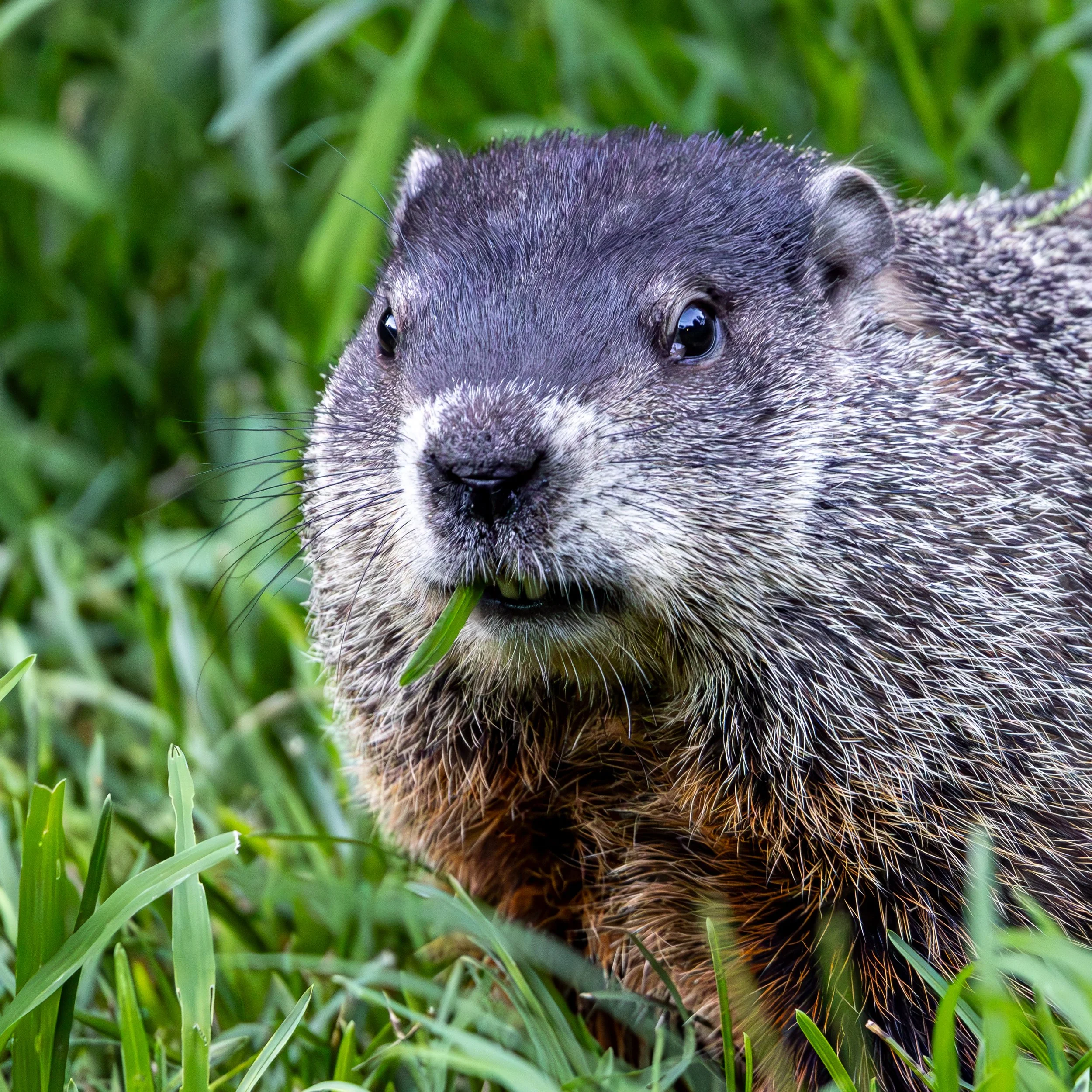
Best Places to see them
Fort Tryon Park -Greenwood Cemetery - Van Cortlandt Park -
Flushing Meadows Corona Park- Staten Island Greenbelt-Pelham Bay Park
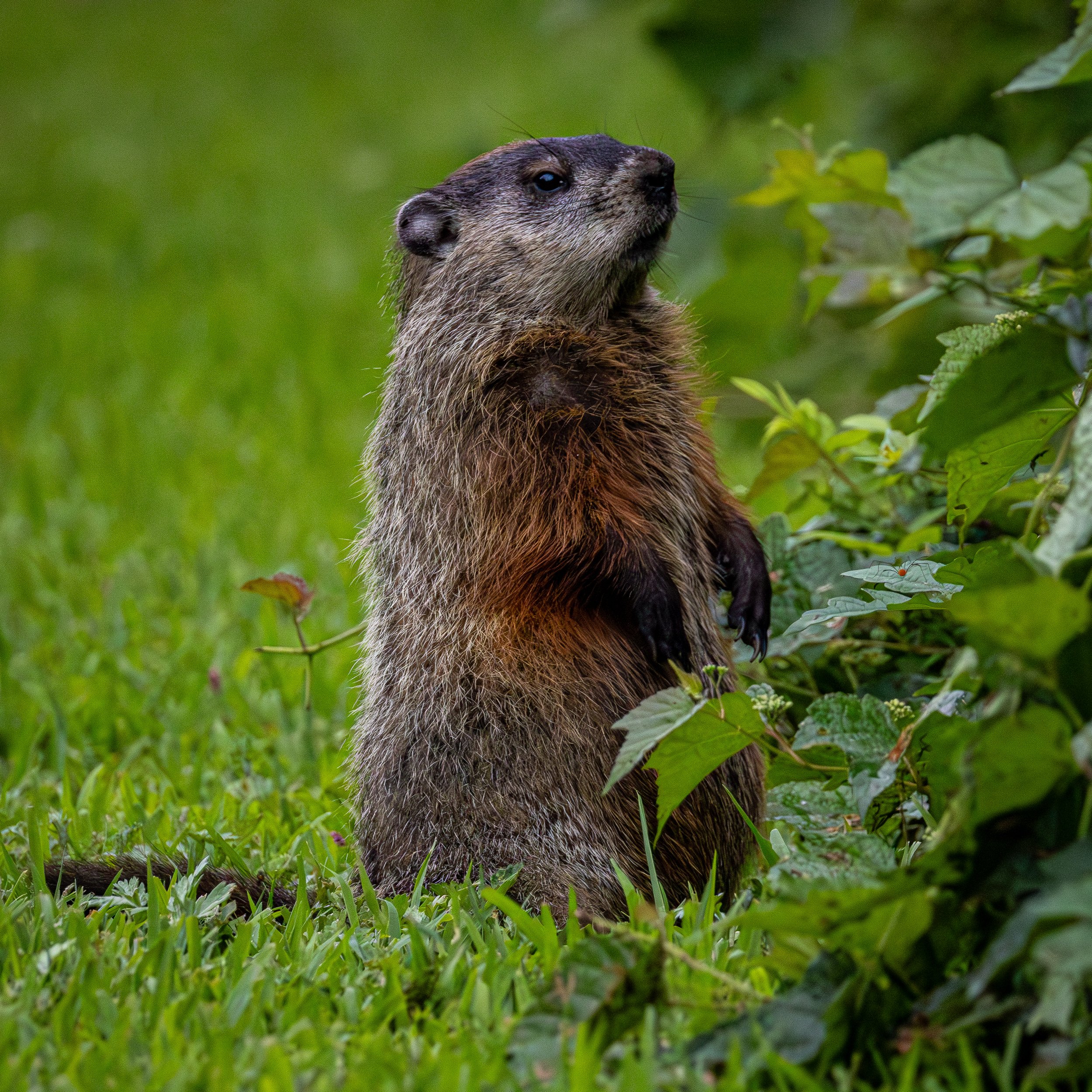
What’s in a name?
How much wood could a woodchuck chuck
We’ve all heard the tongue-twister. And if you didn’t know all the delightful monikers that grace our largest rodent, you do know. So where do all these names come from? And why do we use them? Just how much wood COULD a woodchuck chuck anyway?
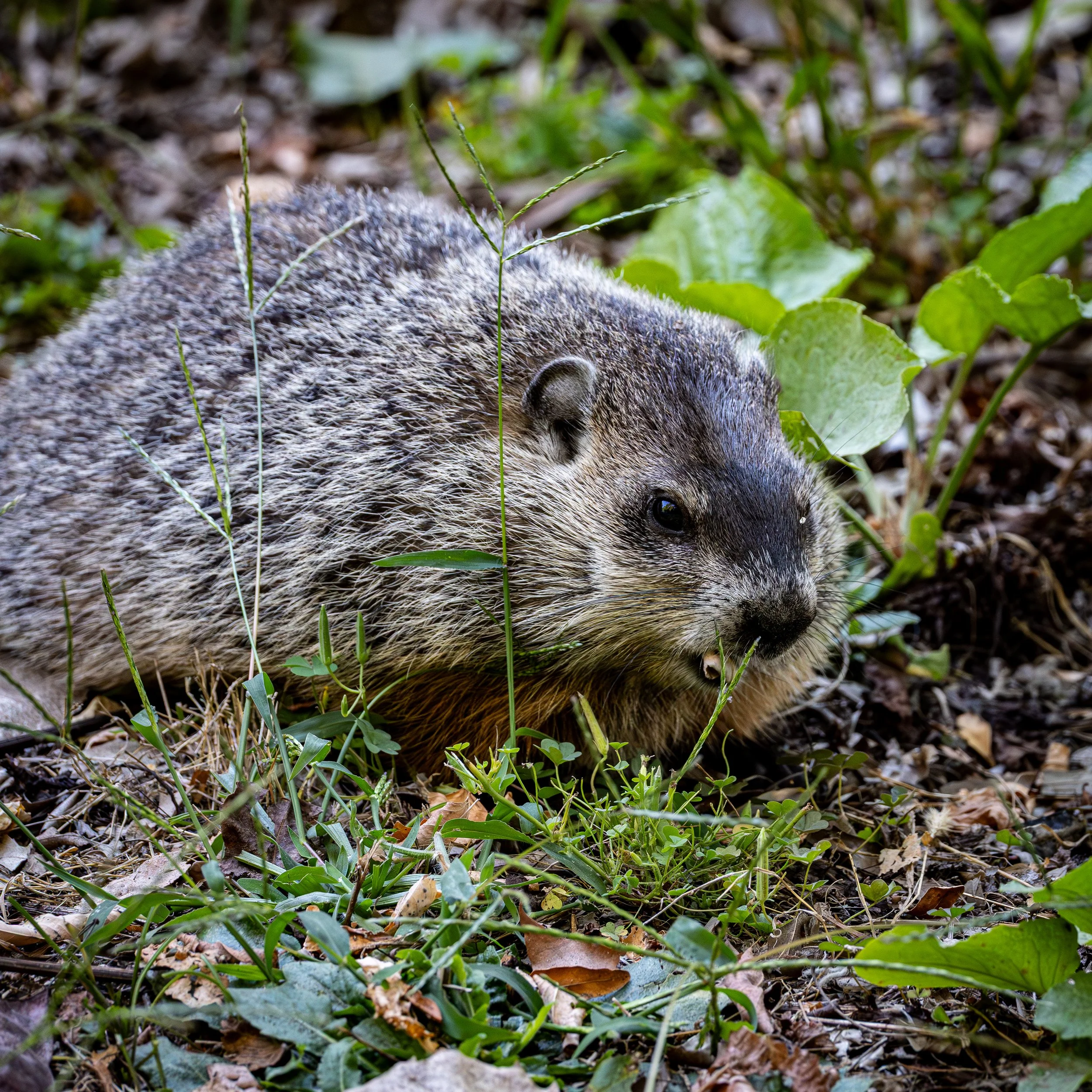
The answer is basically zero. Even though they are sometimes called the ‘Land Beaver’, Woodchucks don’t eat wood unless they can’t find anything green. This particular nickname likely comes from the Algonquin name for these chunky critters “Wuchak”, which roughly translates to ‘the digger’. European colonizers dulled this sobriquet down to something that was more readily understood in their own language.
‘Groundhog’ is a little more straight forward. All members of their genus are burrowing creatures, and Marmota monax is no exception. They’re also the largest of the ground squirrels in New York City, and one of its larger land mammals. But that doesn’t mean you won’t see one climbing from time to time!
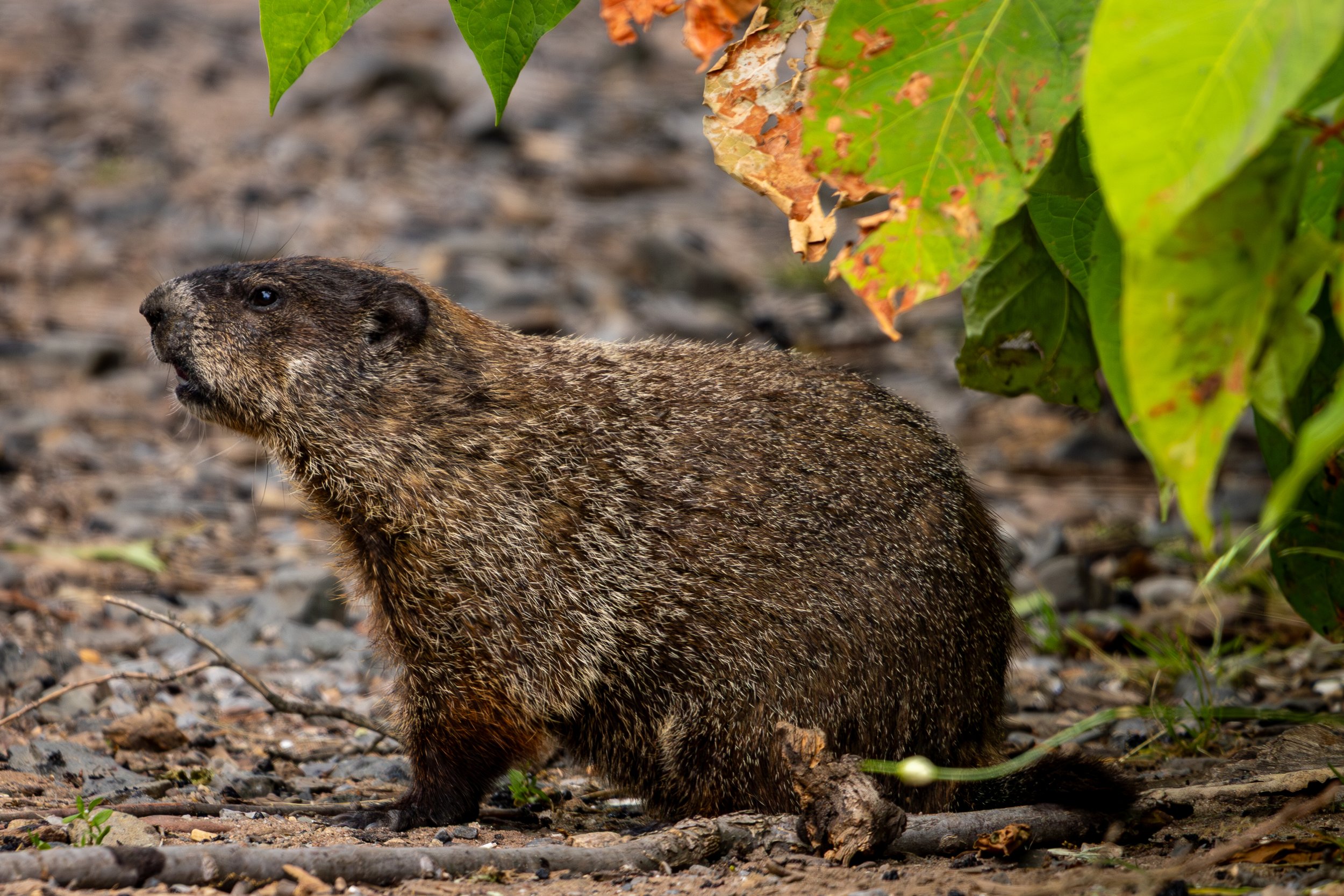
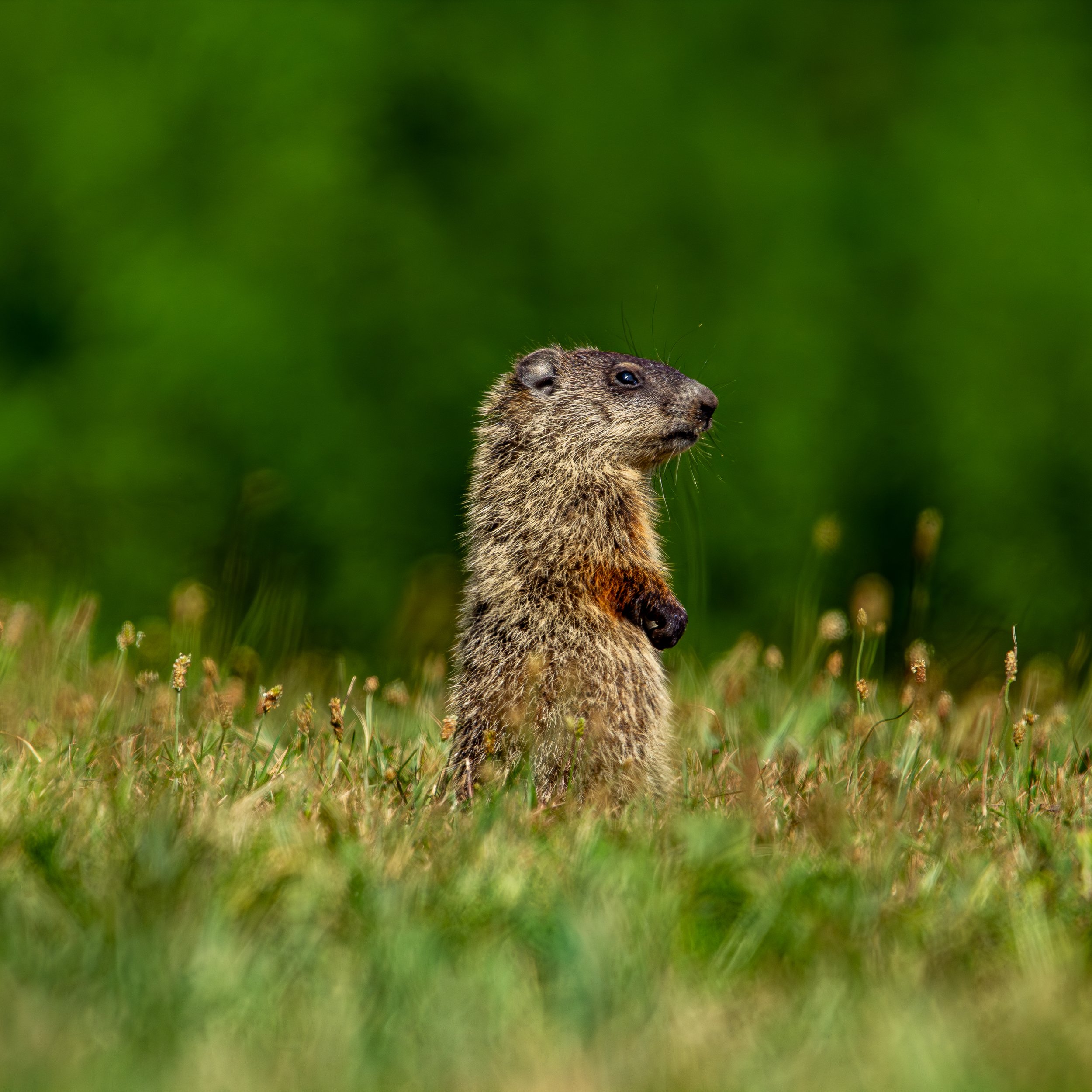
So what about “Whistle Pig”? That comes from their alarm call. When there are predators about, woodchucks will sit back on their haunches for a better view, then send out a loud, high-pitched bark to alert their fellow critters. Groundhogs are generally solitary, so the odds of hearing this call in NYC are low… but never zero.
Fast Facts
Size: 16-27 inches (40-68cm) long, around the length of a dufflebag.
Weight: 5-13 lb (2-6.5kg) or about the weight of a gallon of paint.
Diet: Predominantly leafy greens like clover, dandelions, and plantain, as well as any garden crops they can find. They’ll also eat fallen fruit, like mulberries and blackberries.
Mobility: Groundhogs can sprint at surprising speeds of 8-10 miles per hour in short bursts!
Climbing: While they don’t have much of a vertical or horizontal leap, groundhogs have been observed climbing as high as twenty feet.
Community: Despite being largely solitary, Groundhogs display a pretty large tolerance for other members of their species. Multiple groundhogs may even utilize the same burrow structure.
Reproduction: Females have one litter of 3-5 pups a year in Spring. Males do not typically stick around after birth, and the family unit fully breaks up after the first summer.
Watch Our Episode!
Tape the image below to learn more about Ground Squirrels!